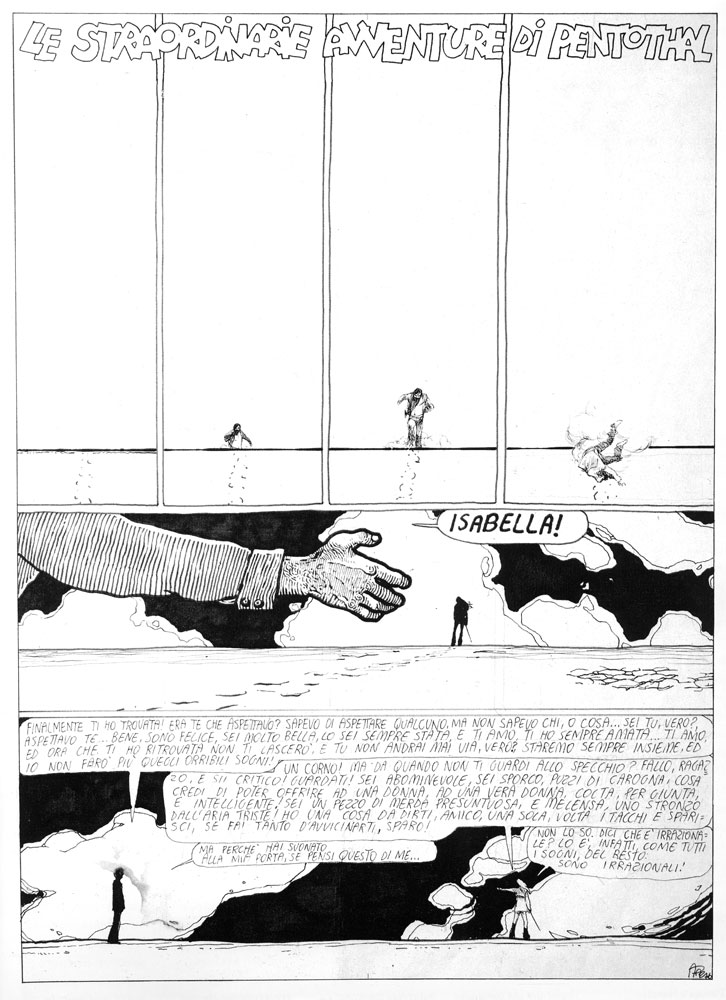
Le straordinarie avventure di Pentothal
“Pentothal was born from a correspondence I had with a girl from Naples. Those letters were an exercise for me, and my writing was a sort of chase, it played on the theme of running with a hoop: I push the hoop, the hoop wobbles, it’s about to fall and I give it another push and it keeps going. It’s my own way of seeing things, without any logical connection.”

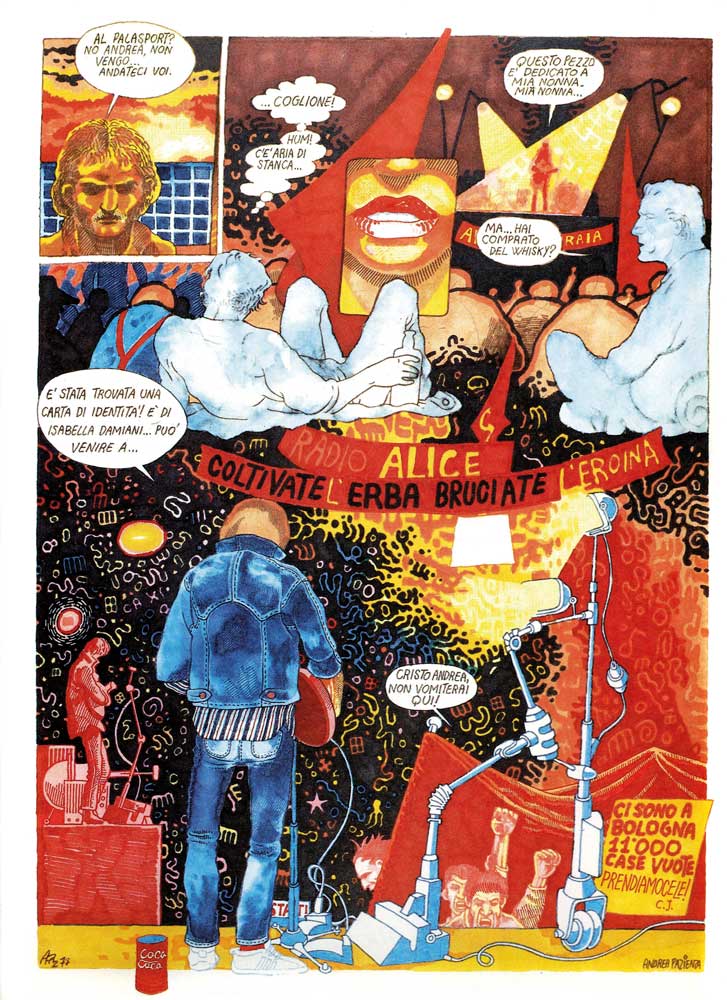
Pages from the comic
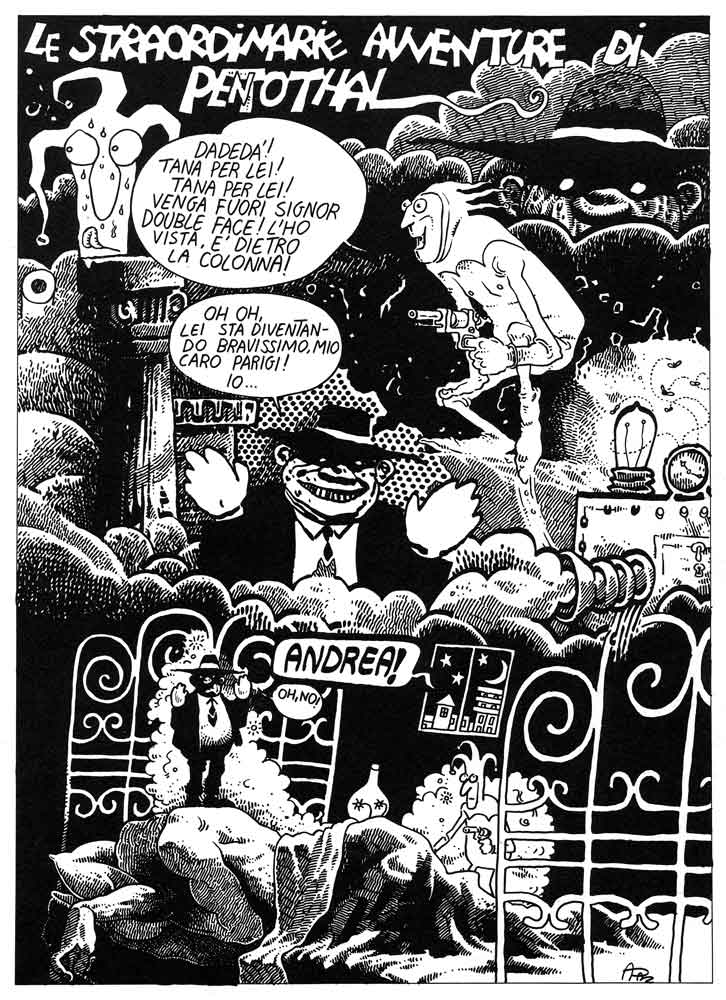
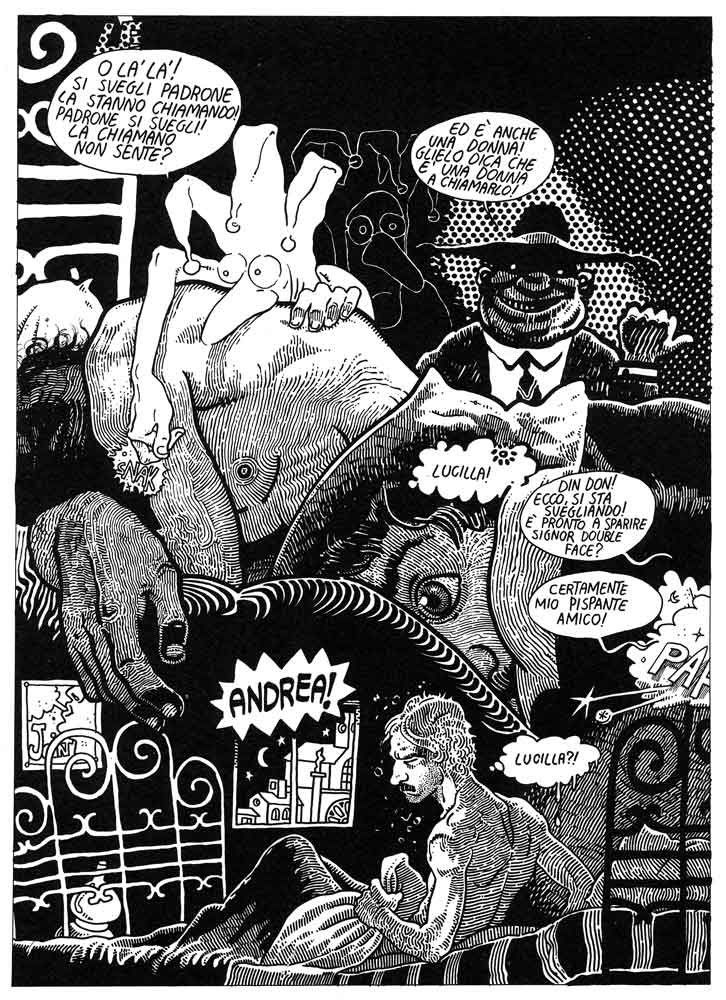
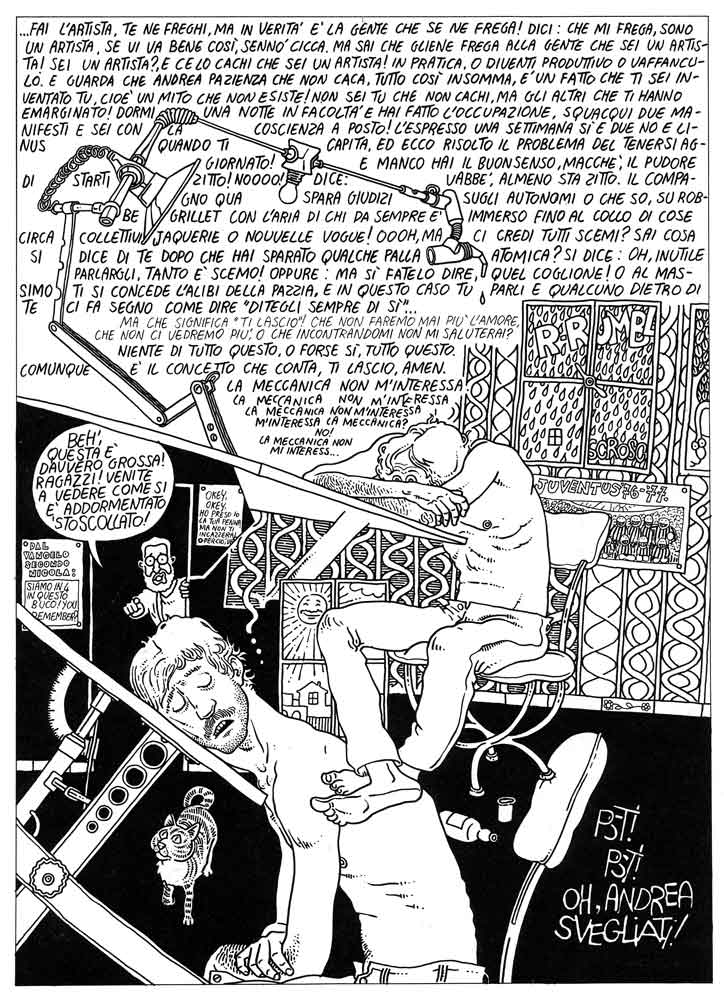
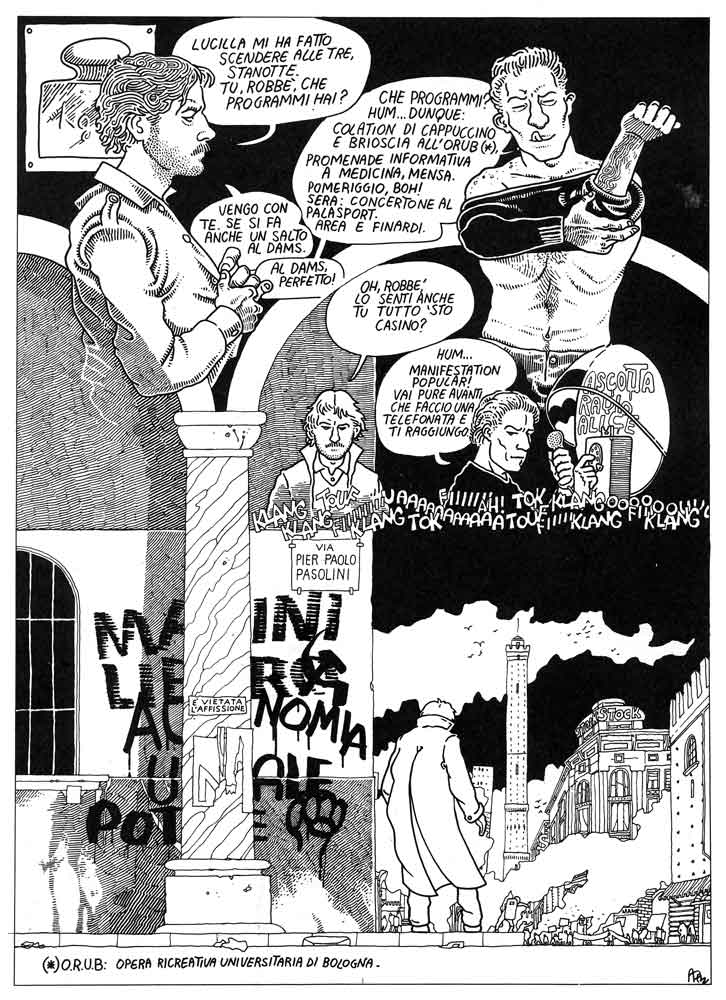
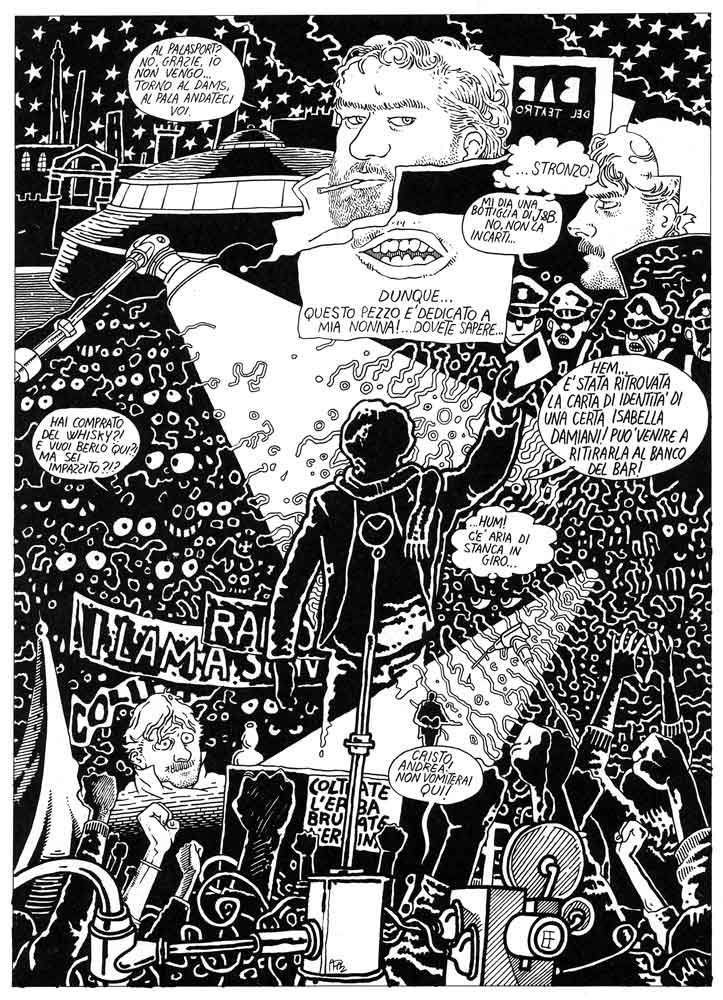
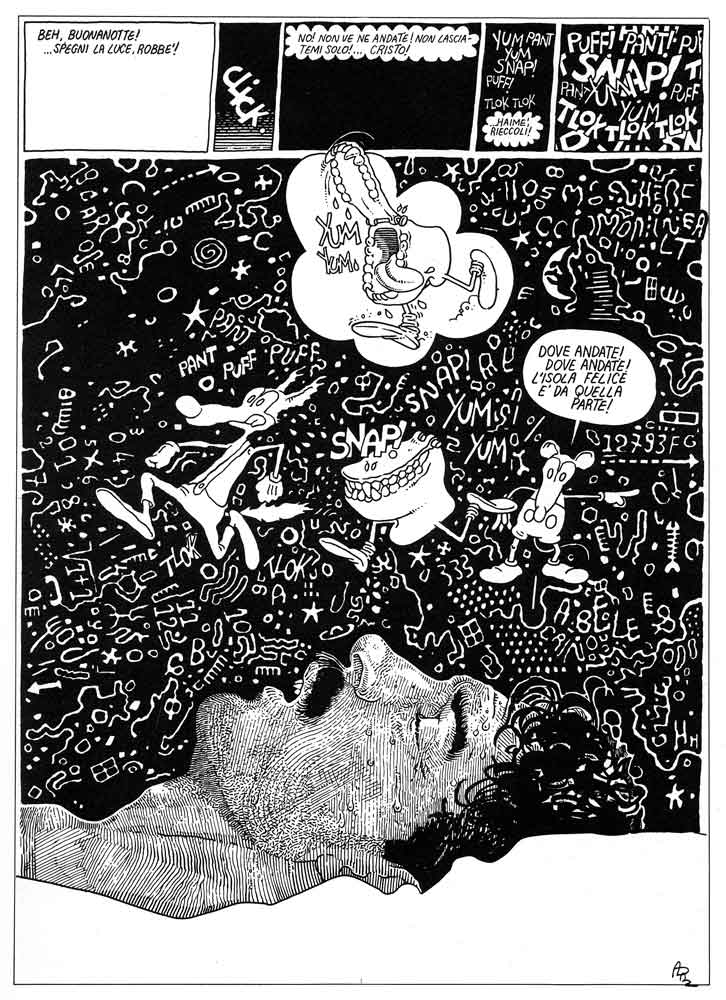
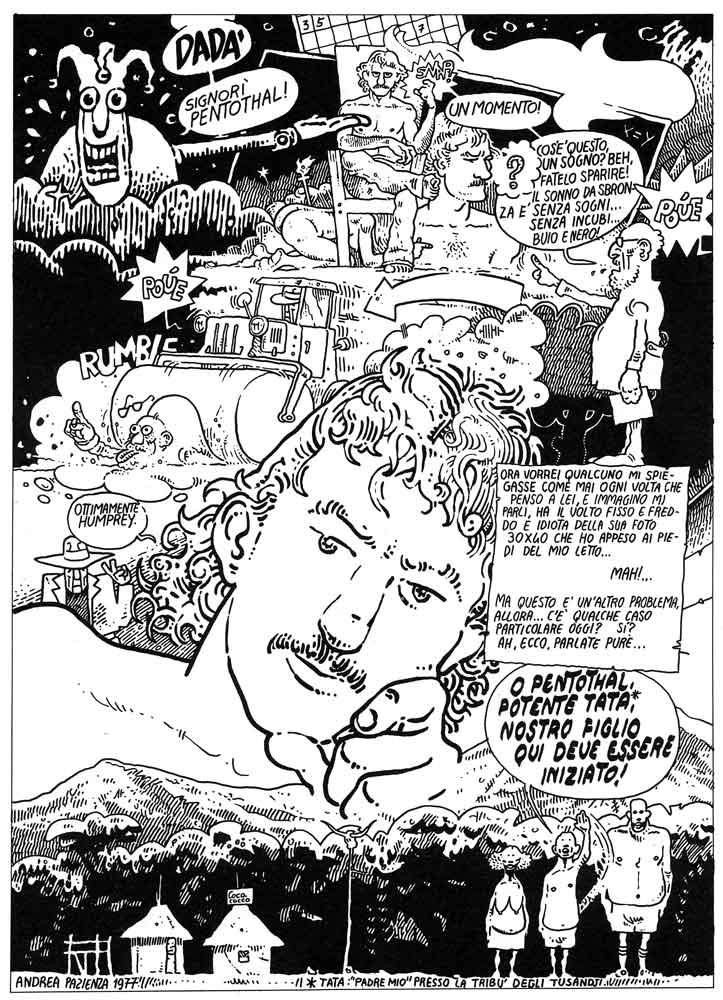
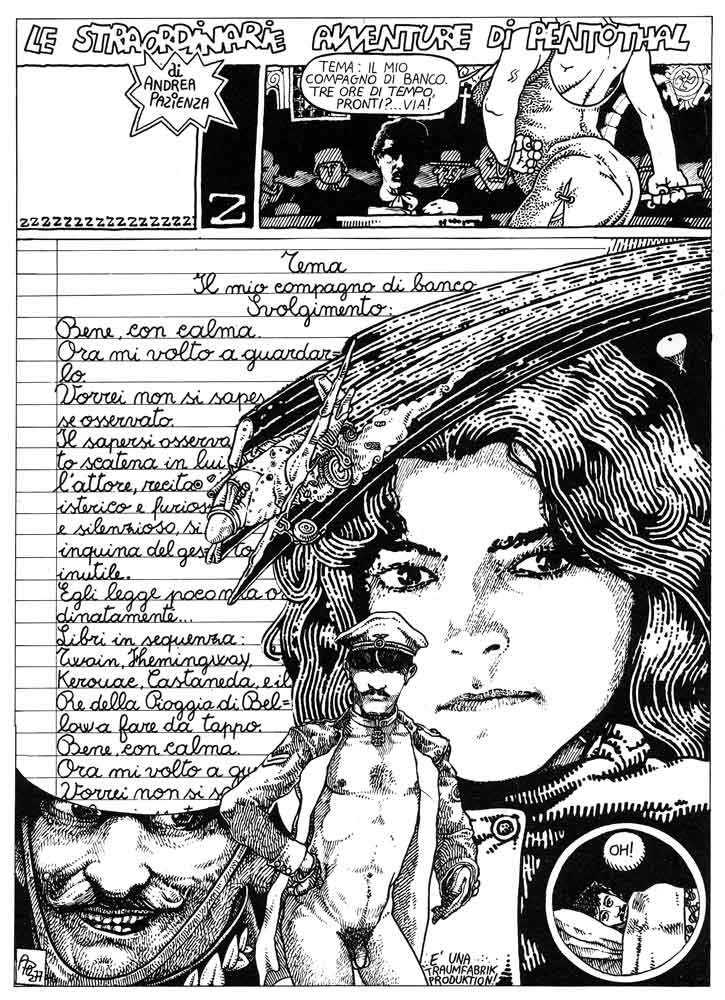
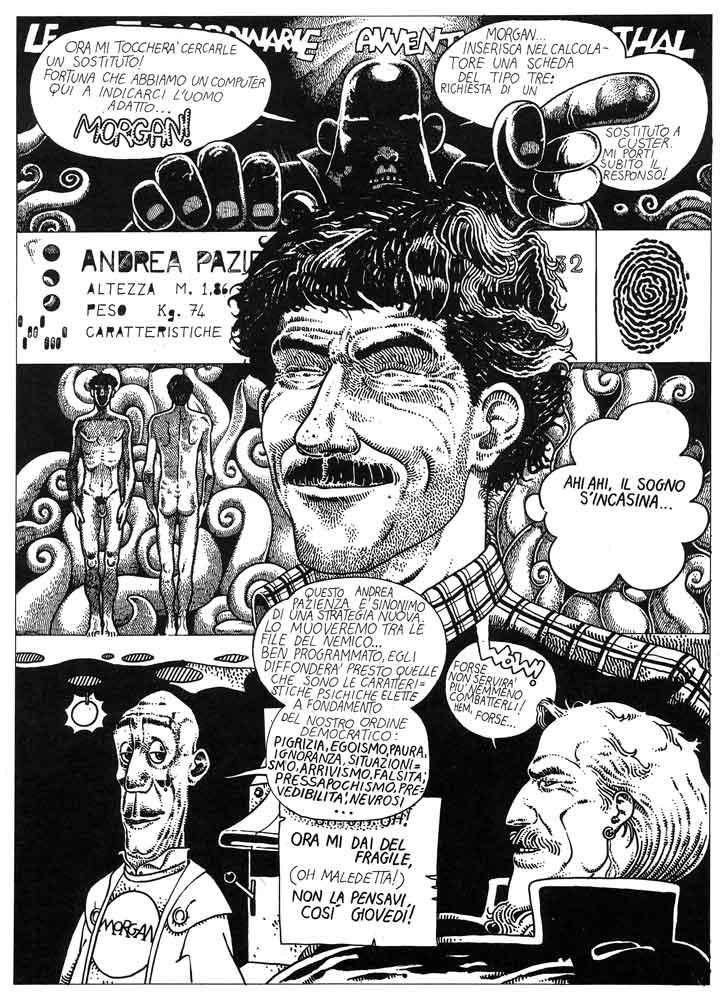
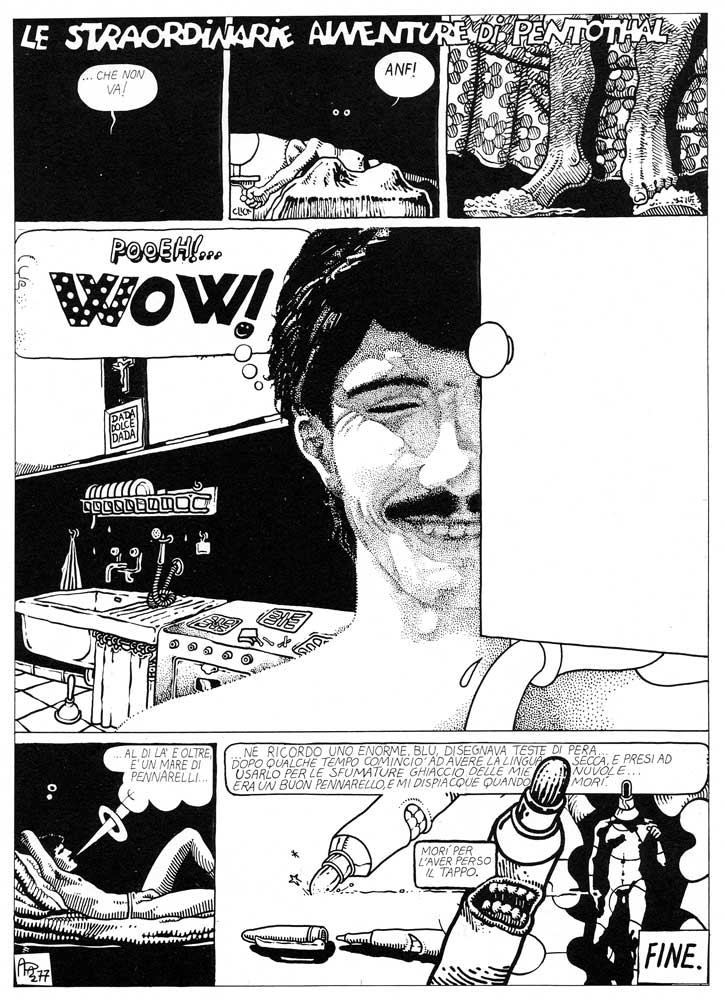
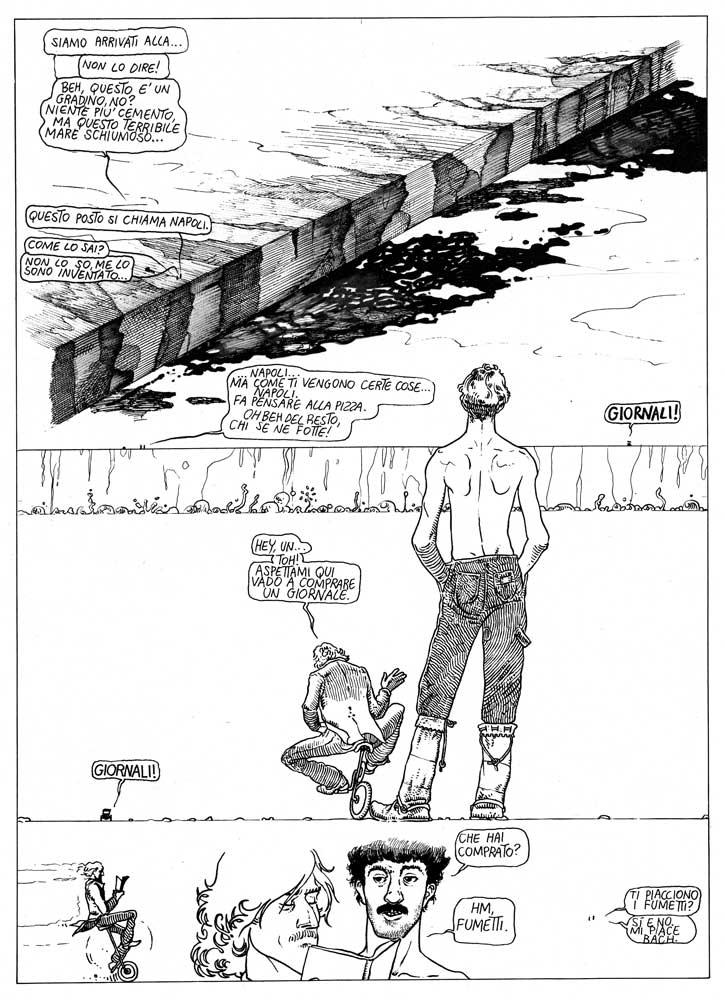
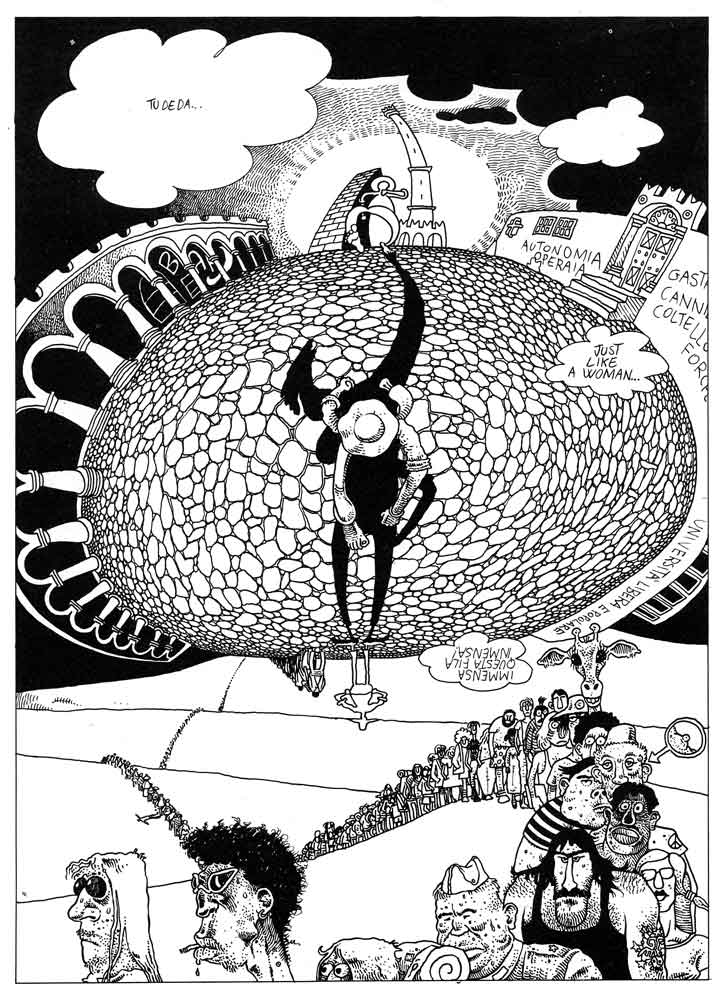
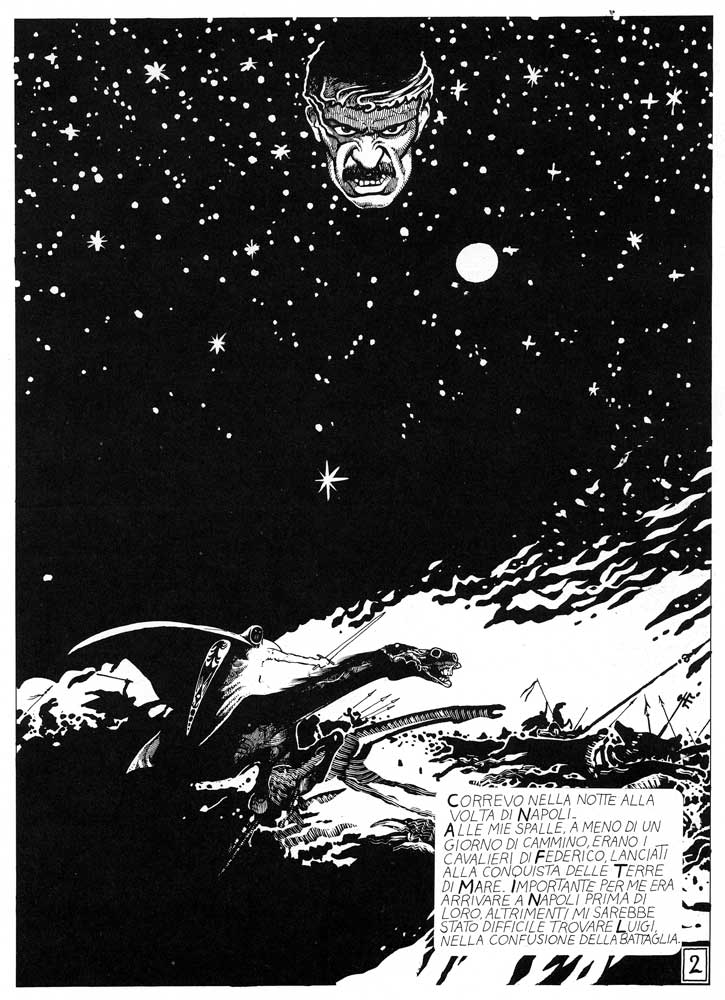
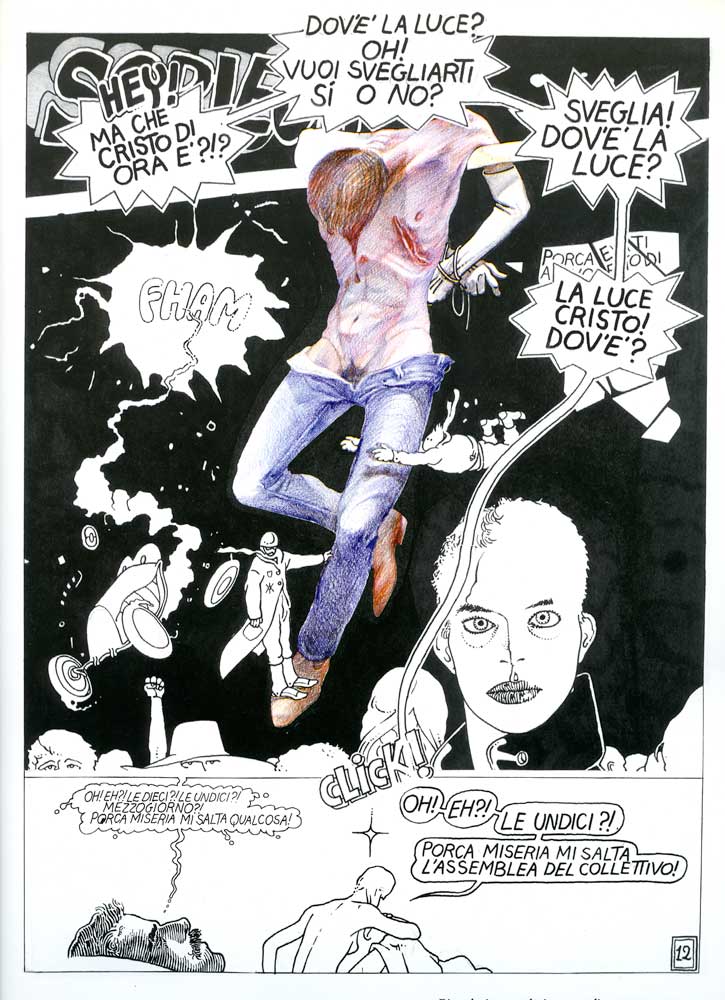
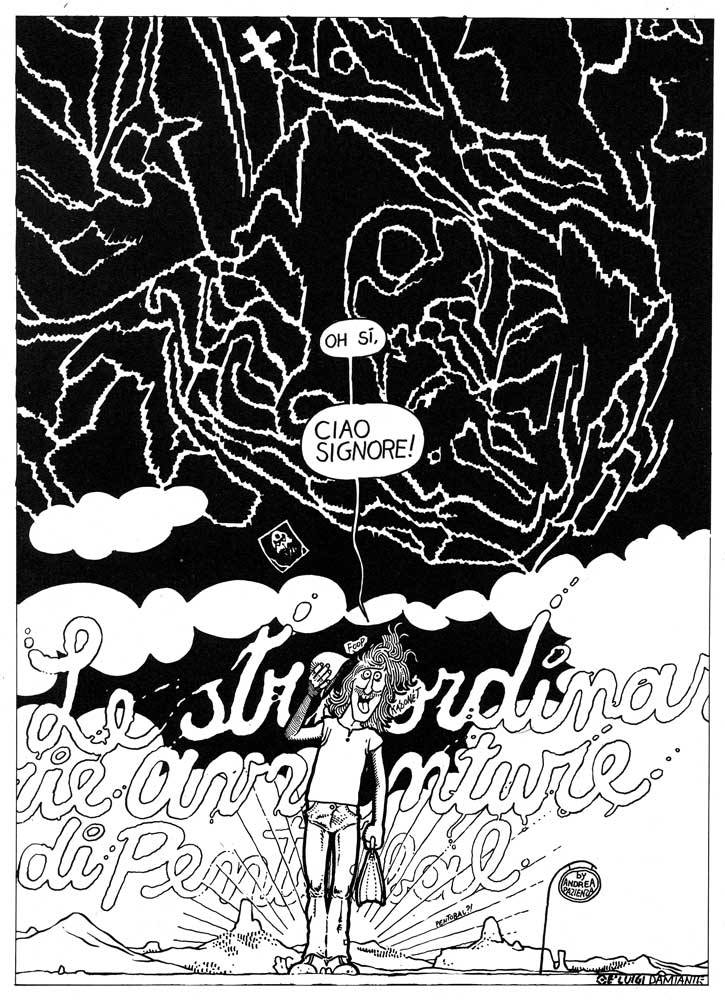
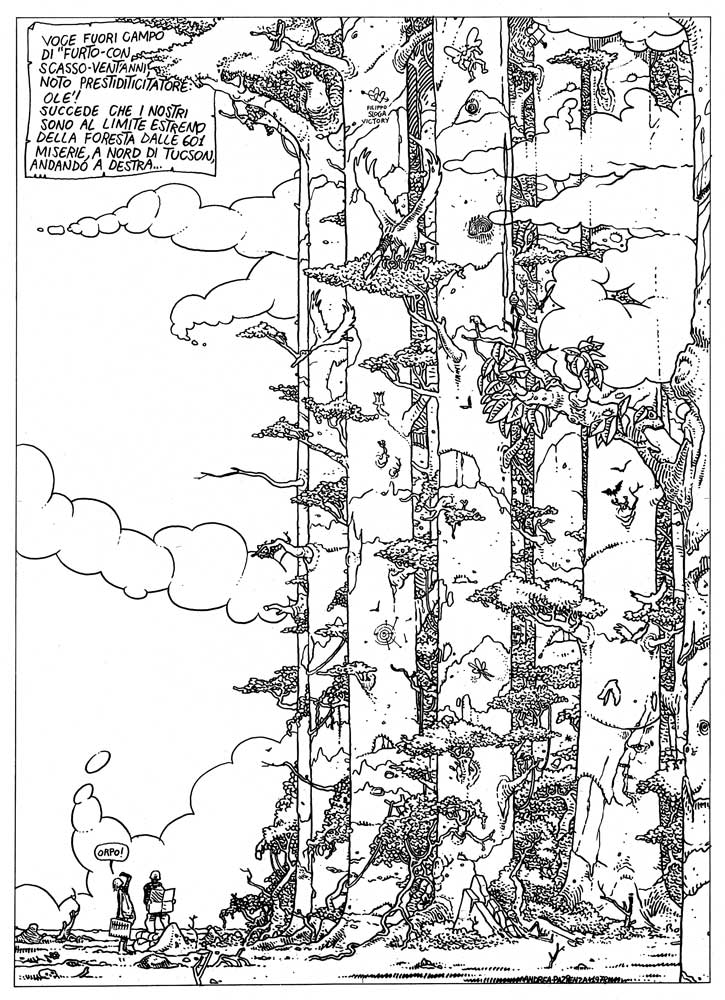
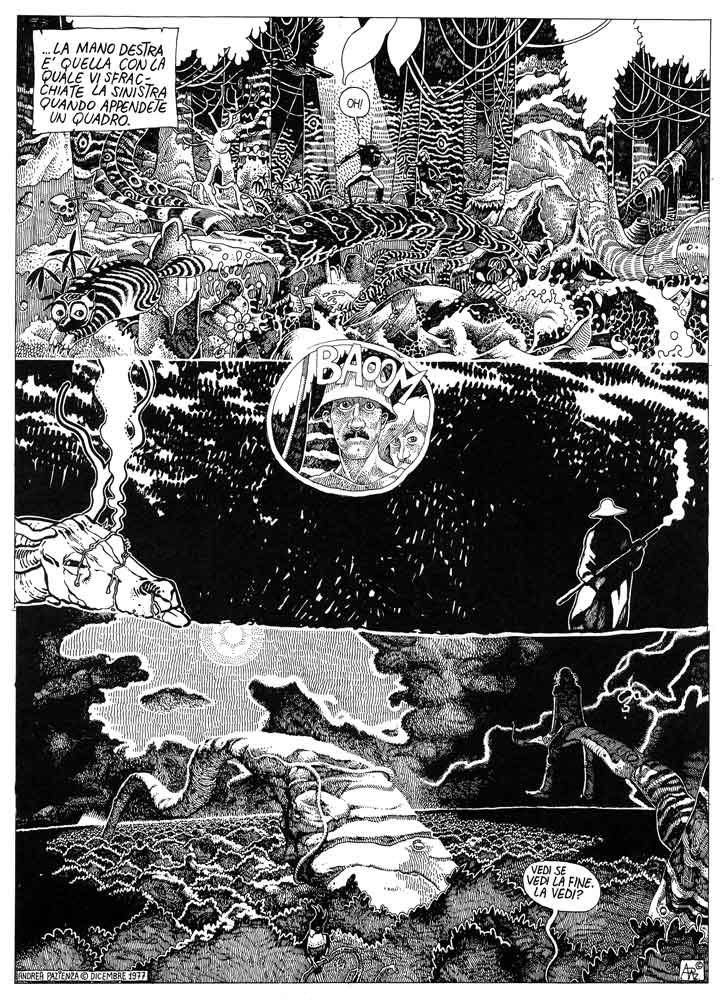
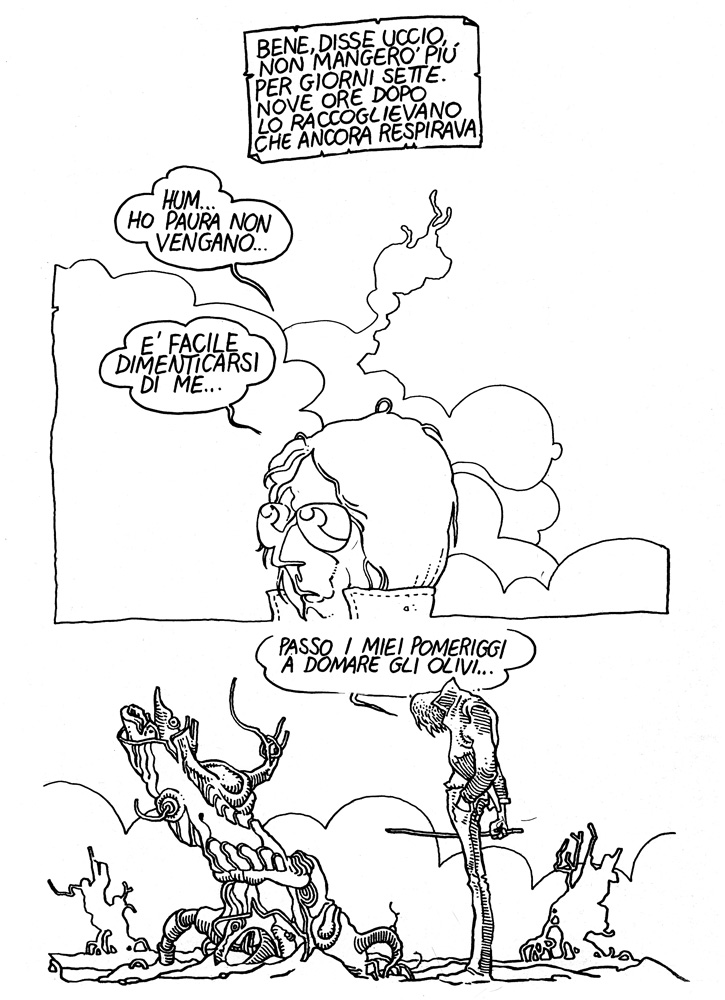
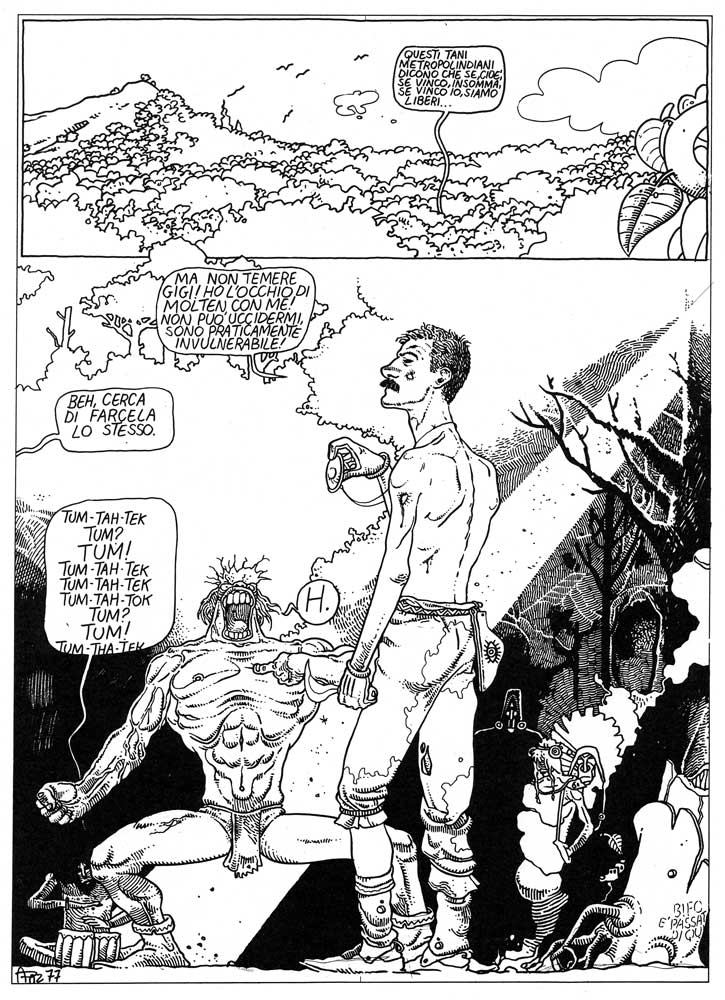
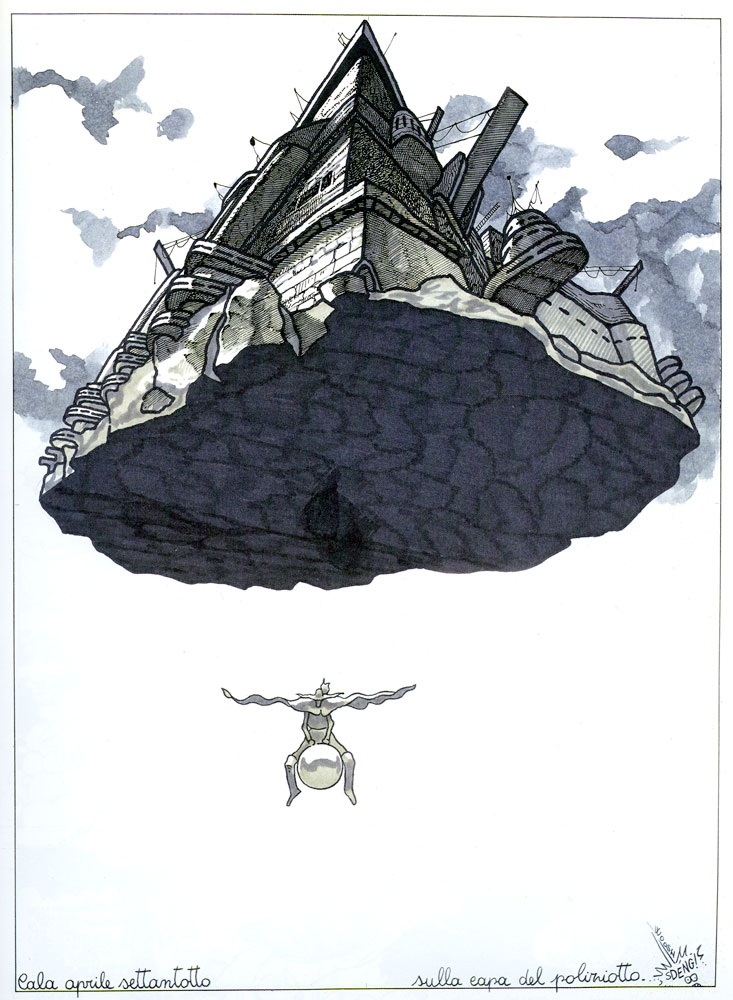
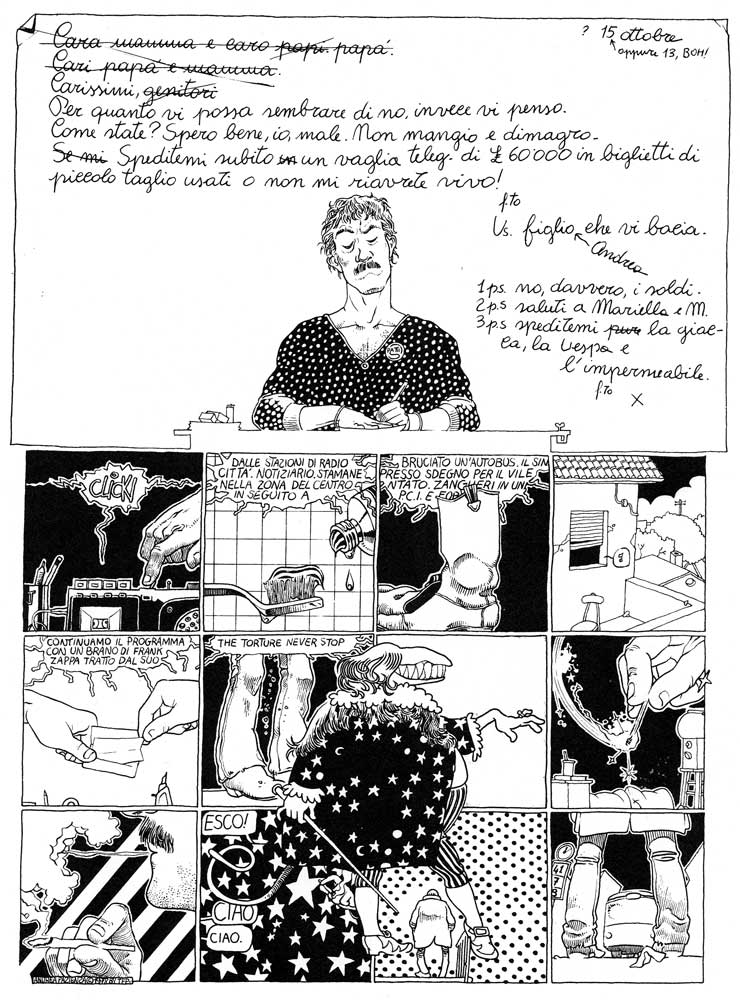
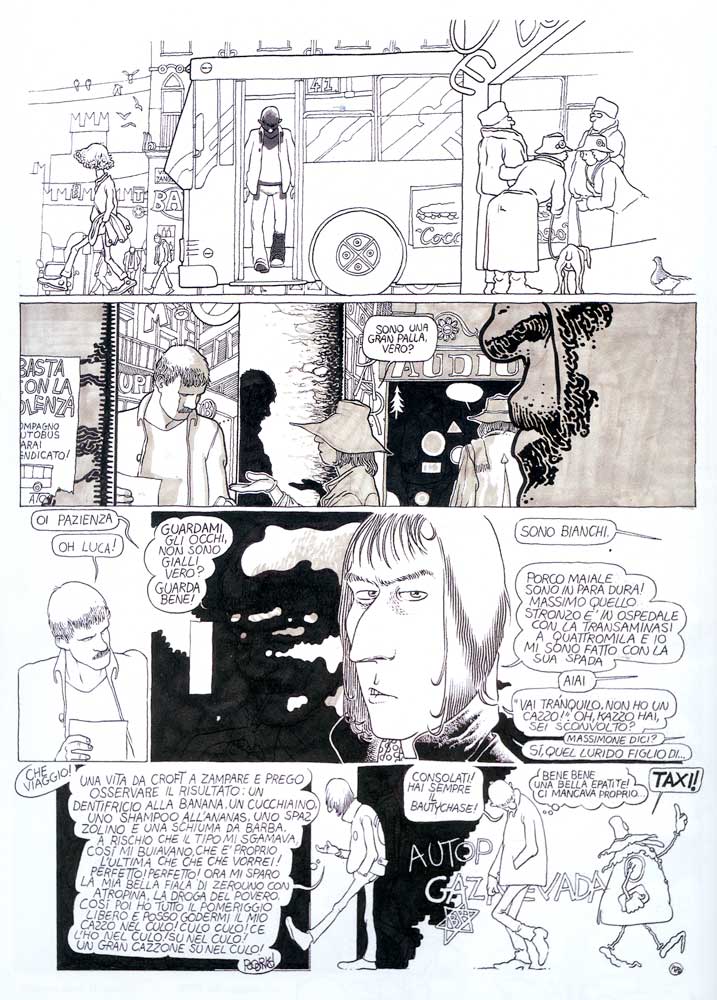
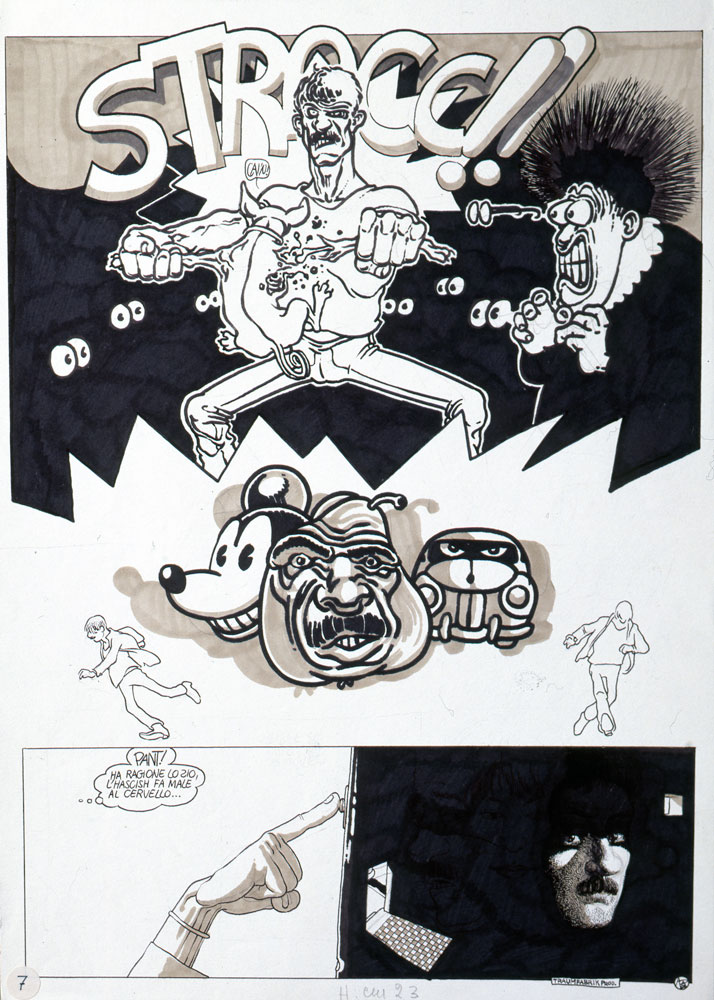
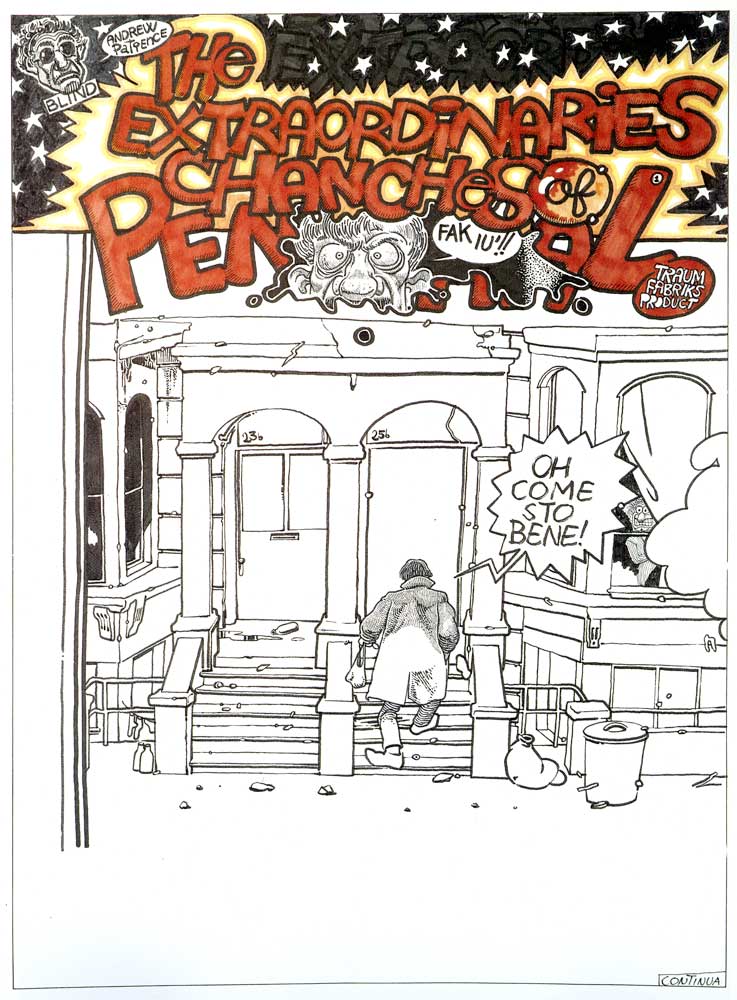
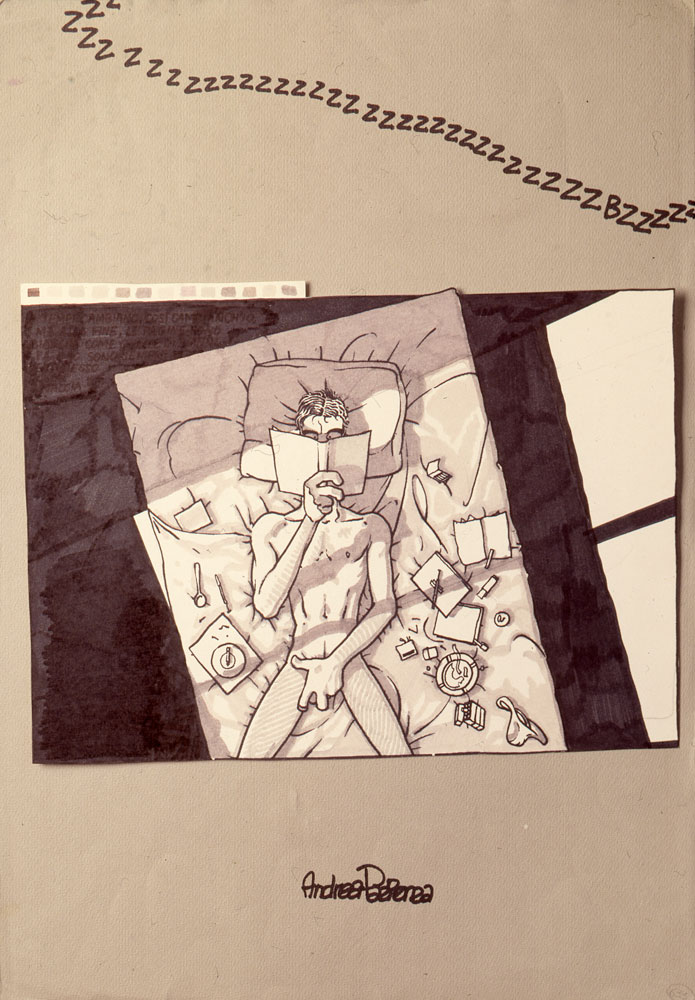
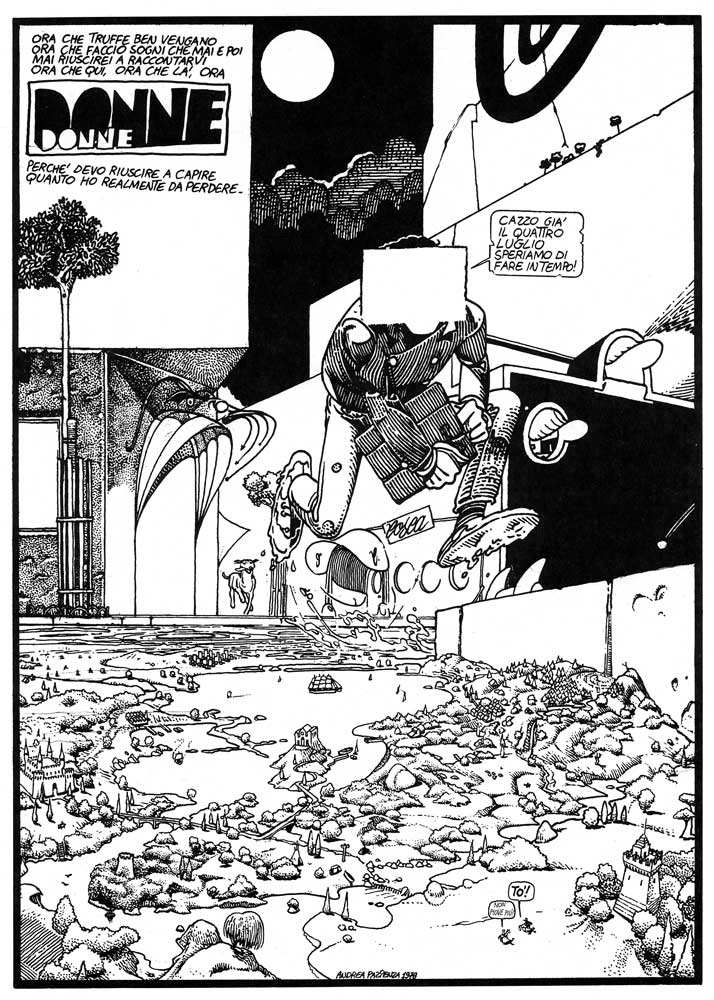
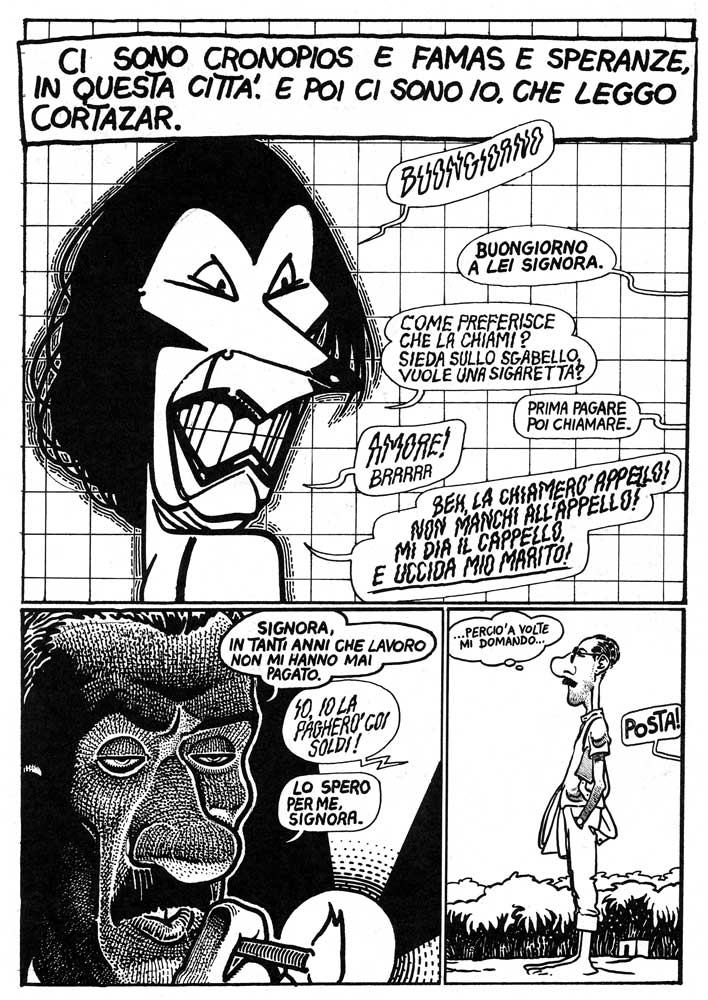
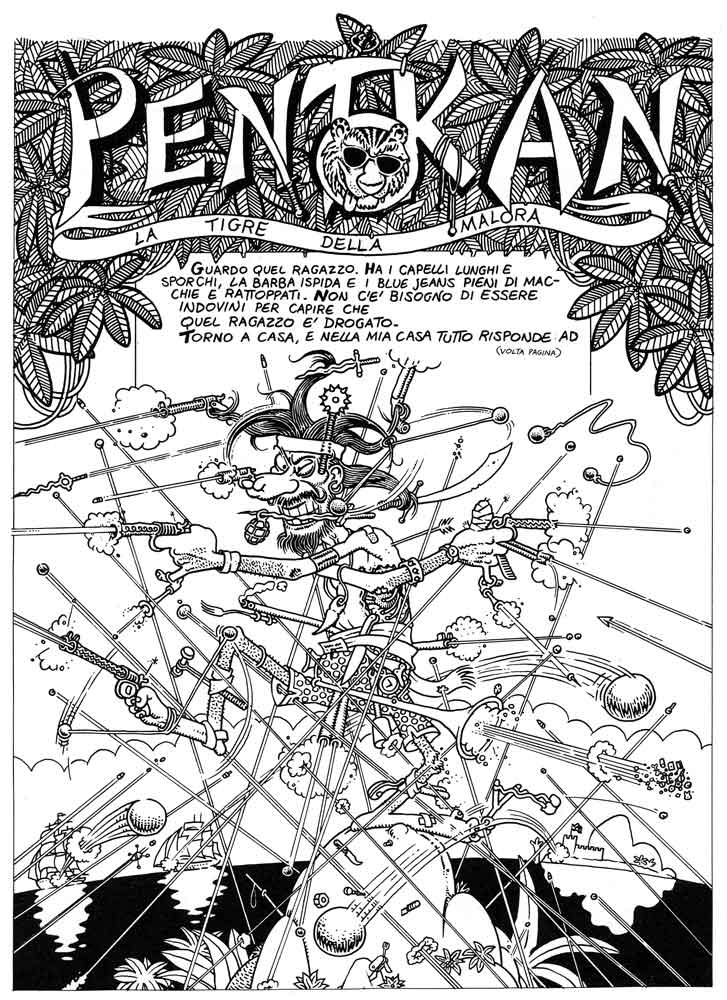
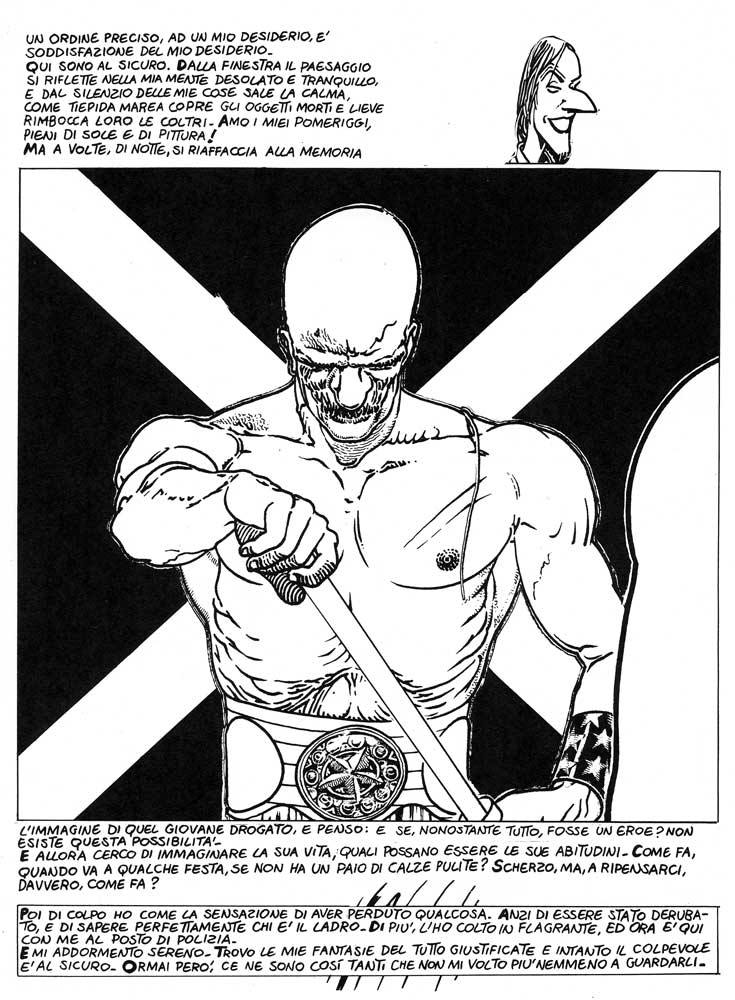
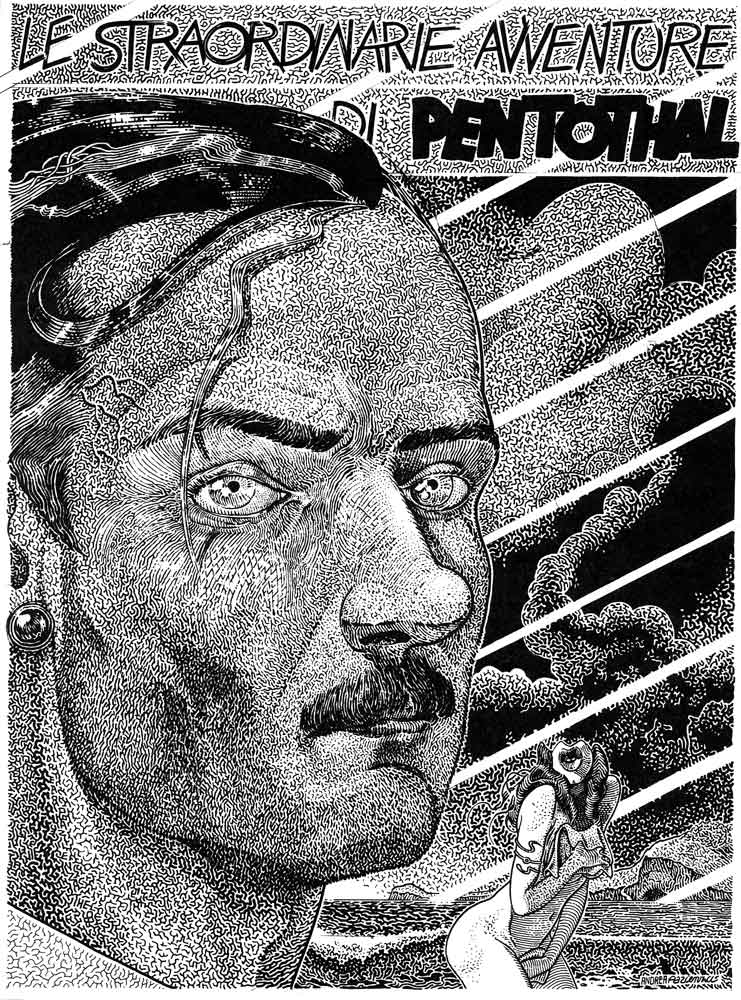
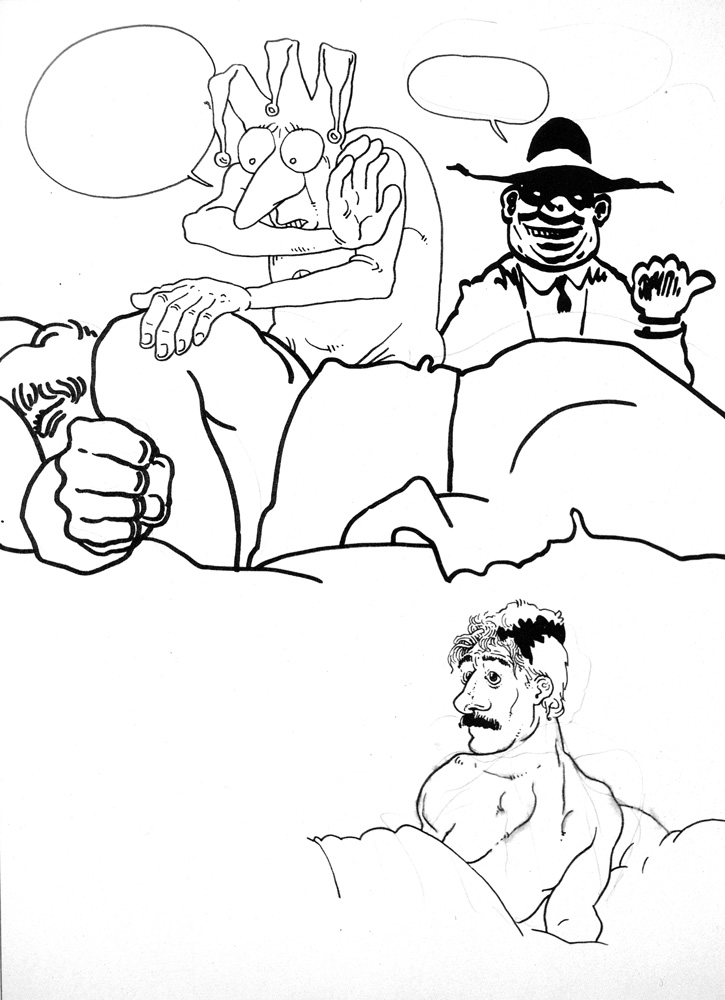
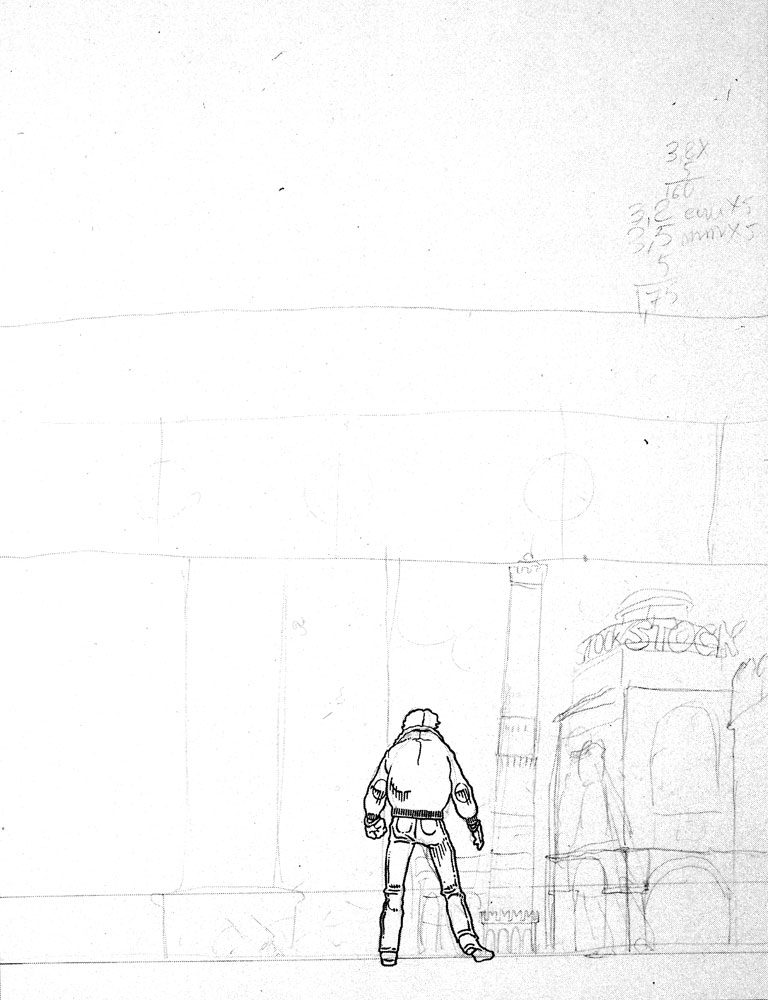
Extra pages and preparatory drawings
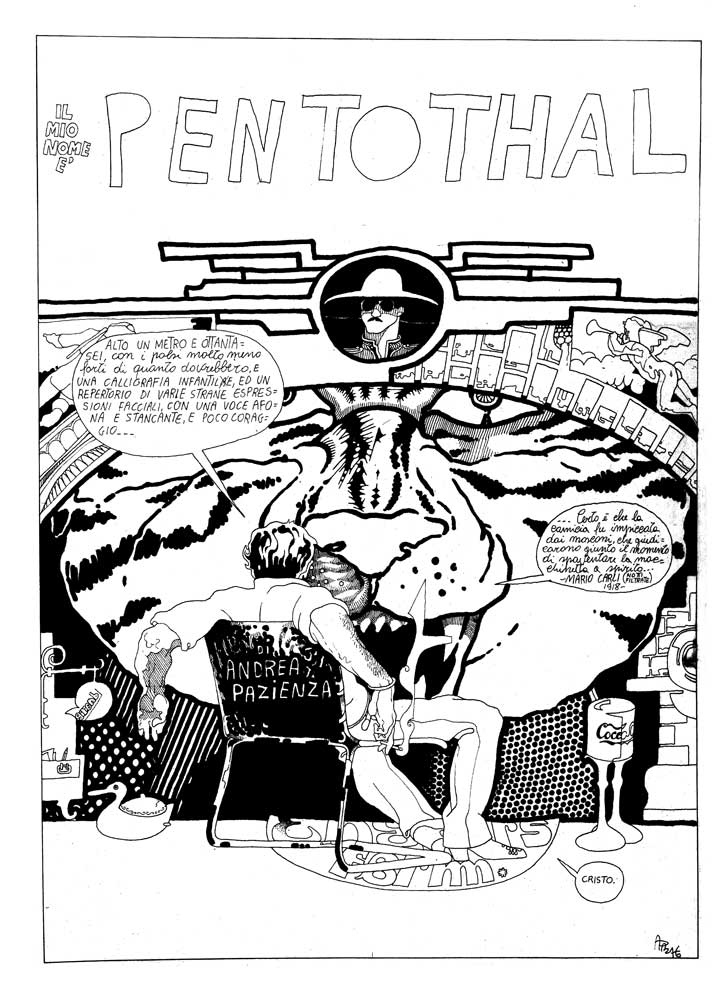
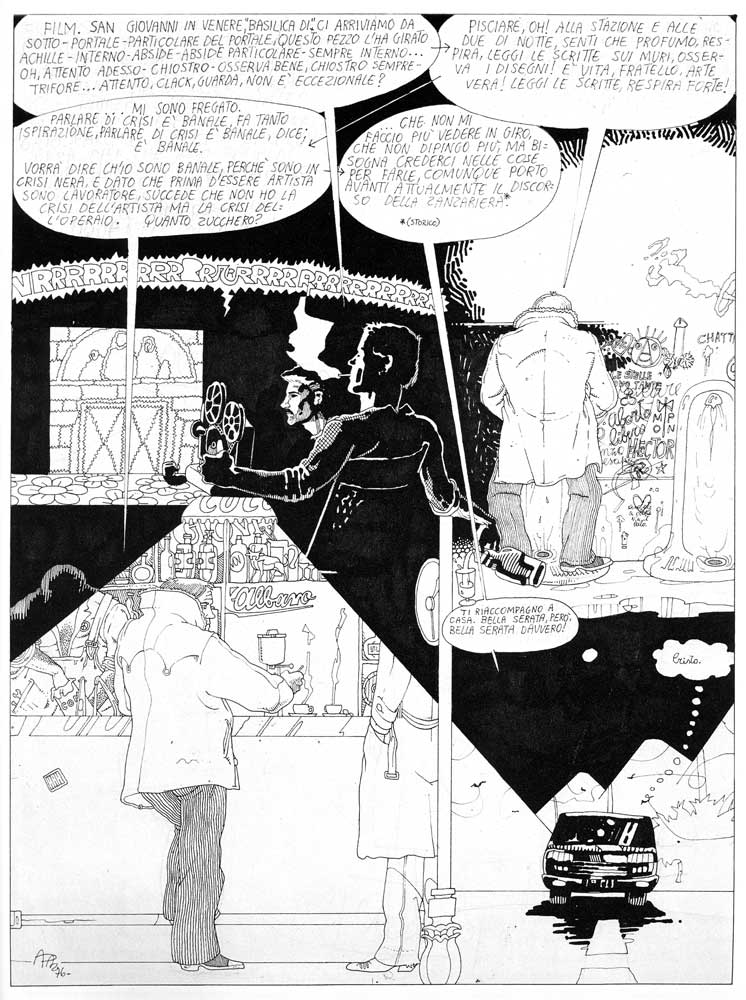
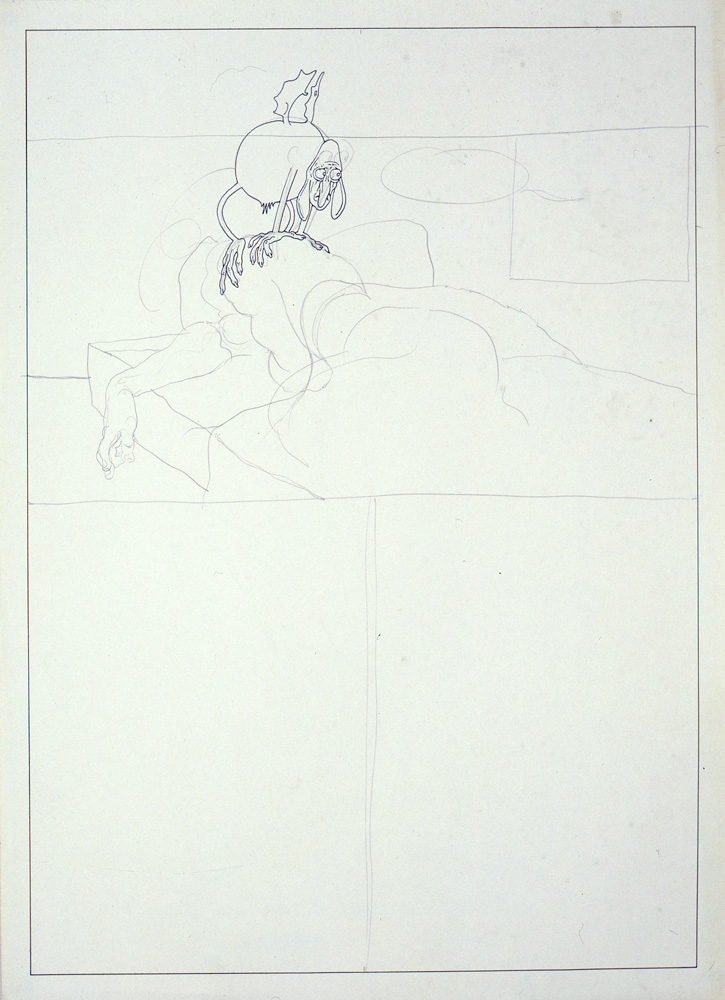
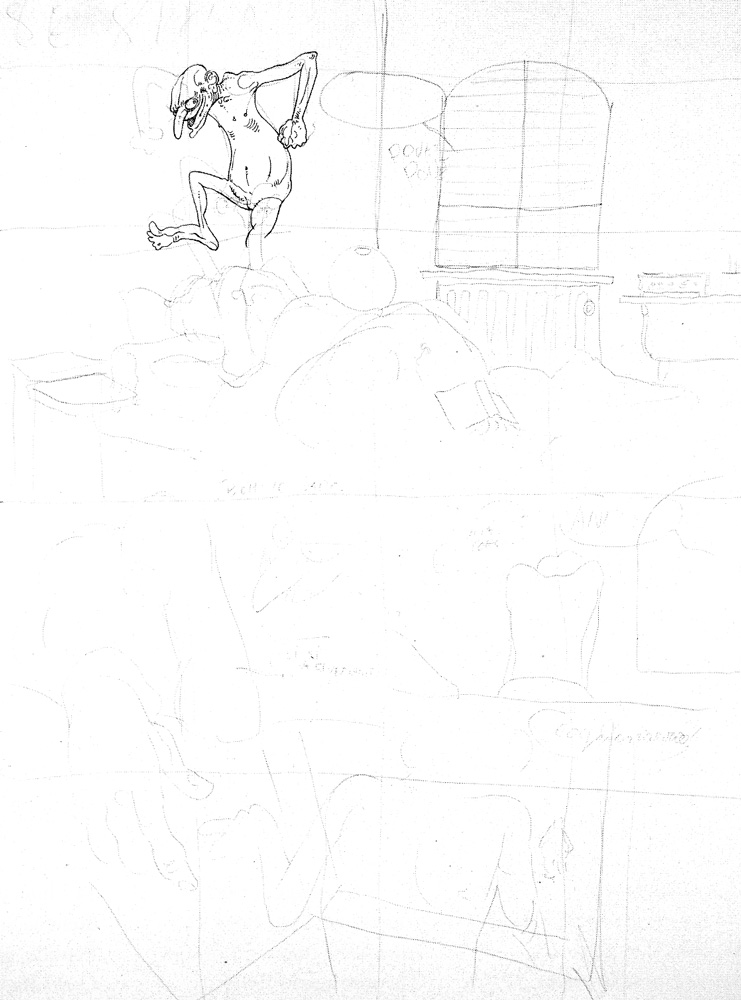
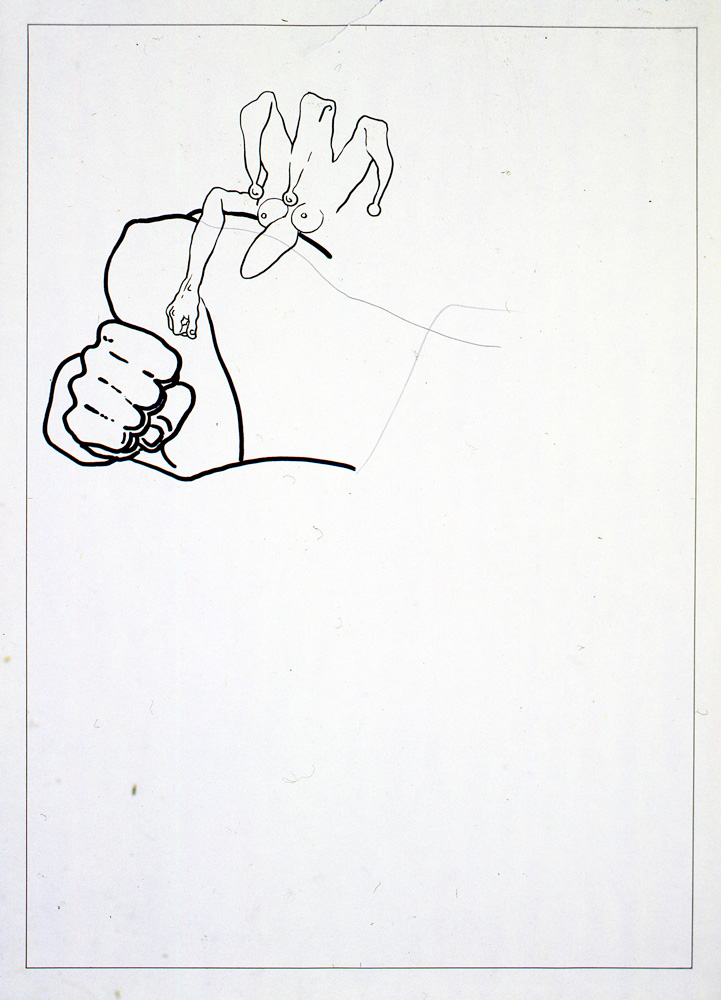
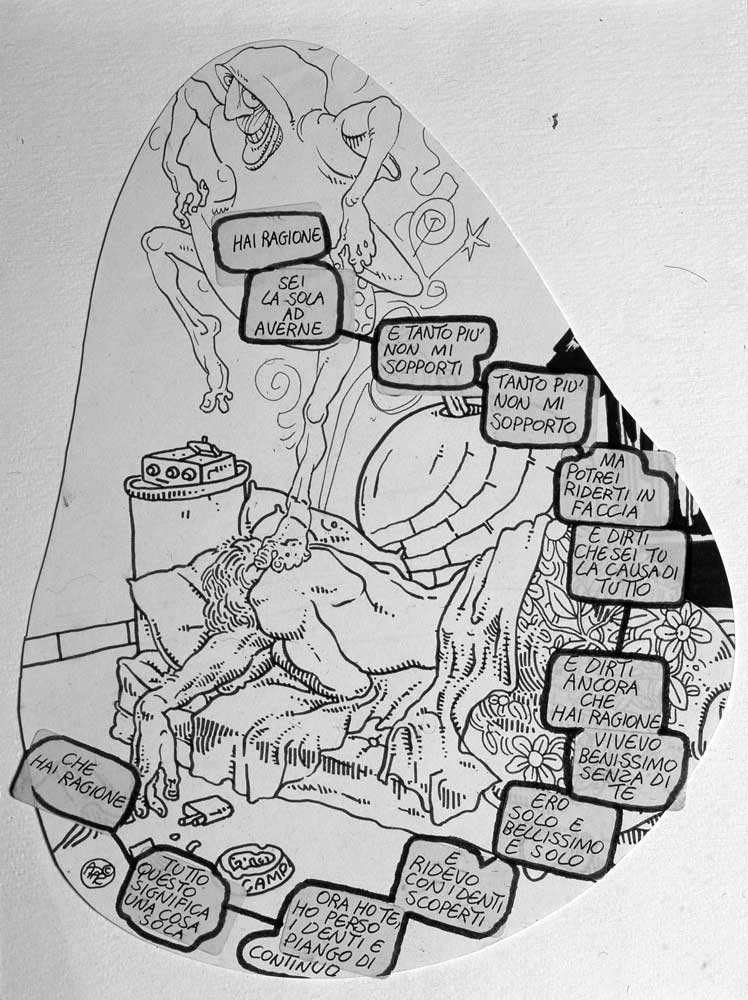
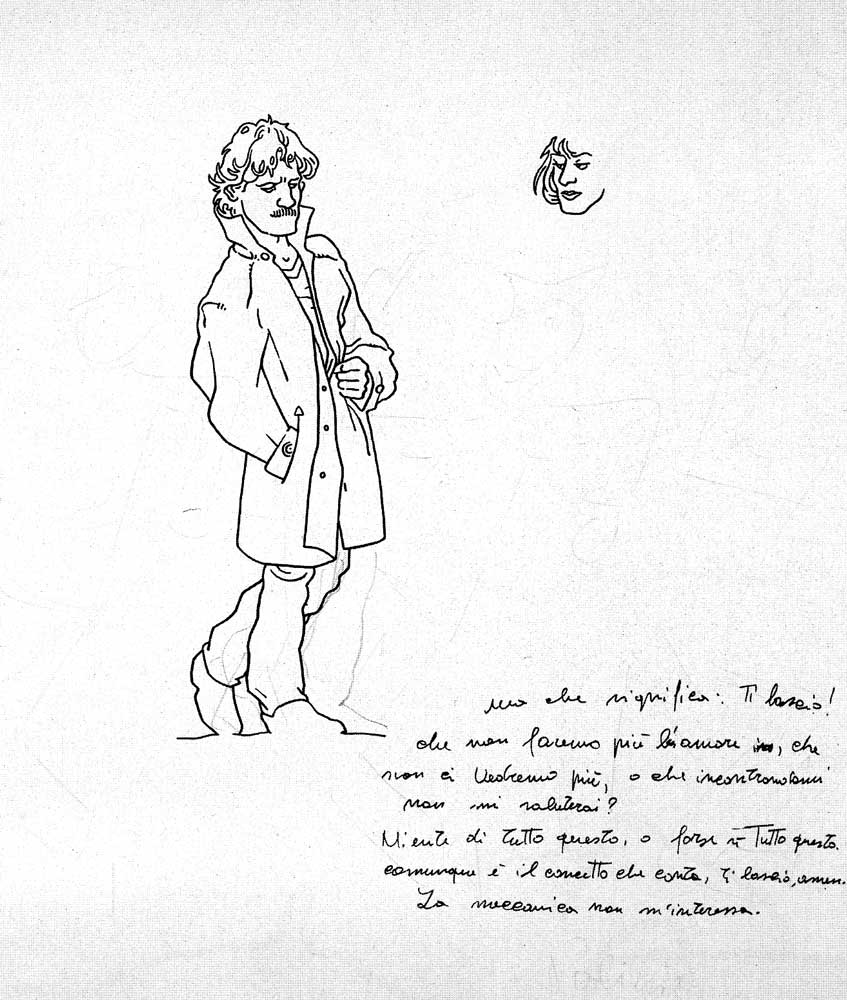
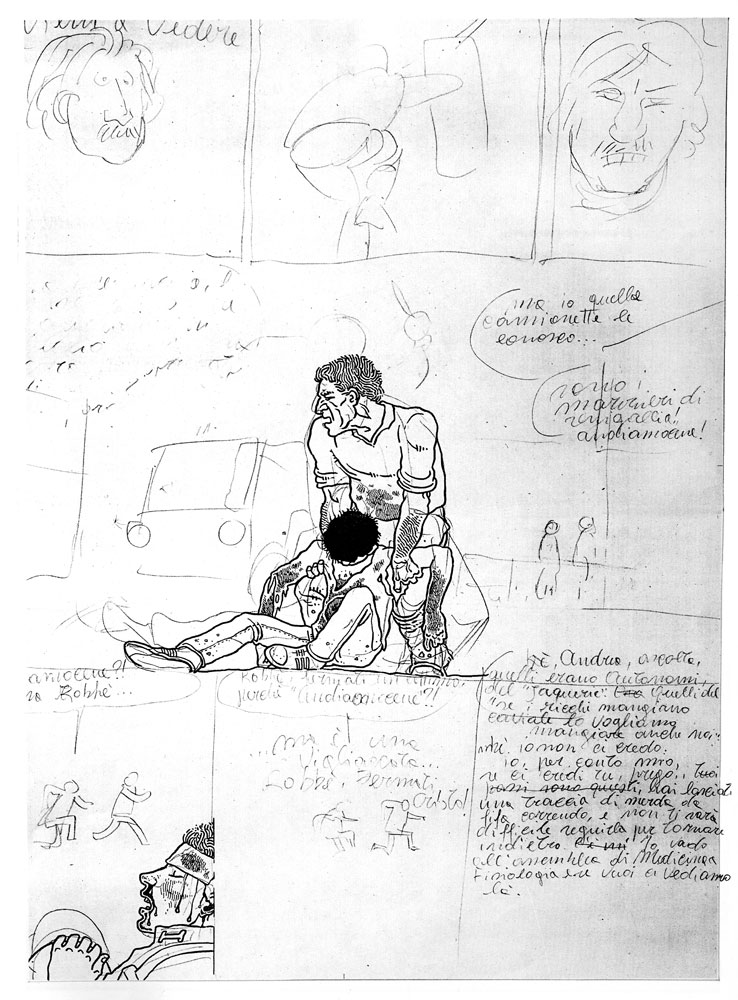
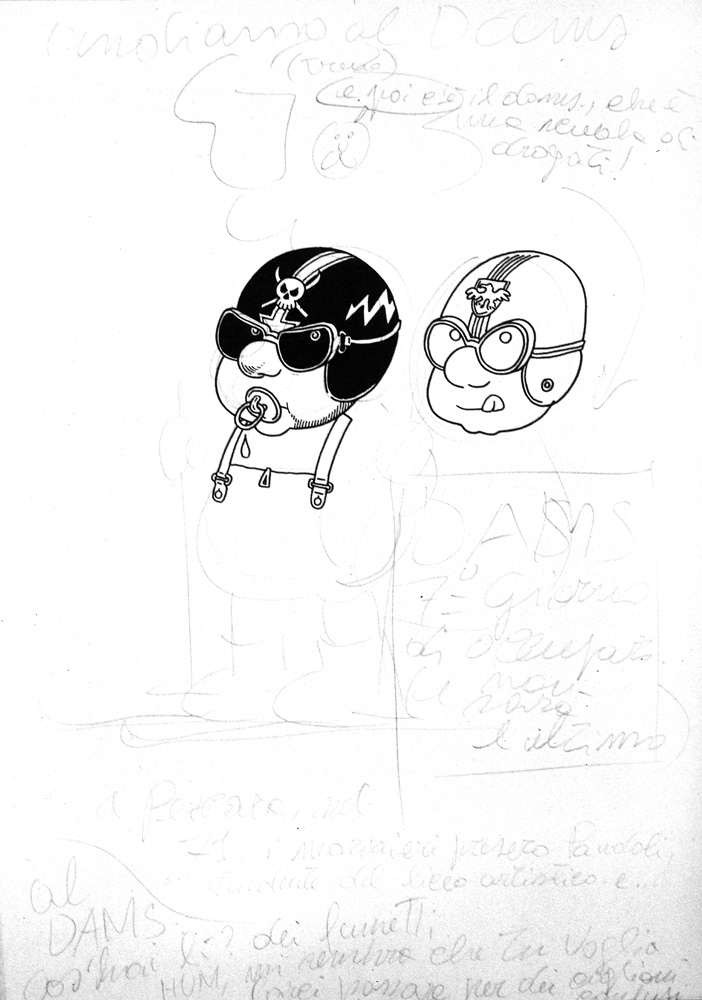
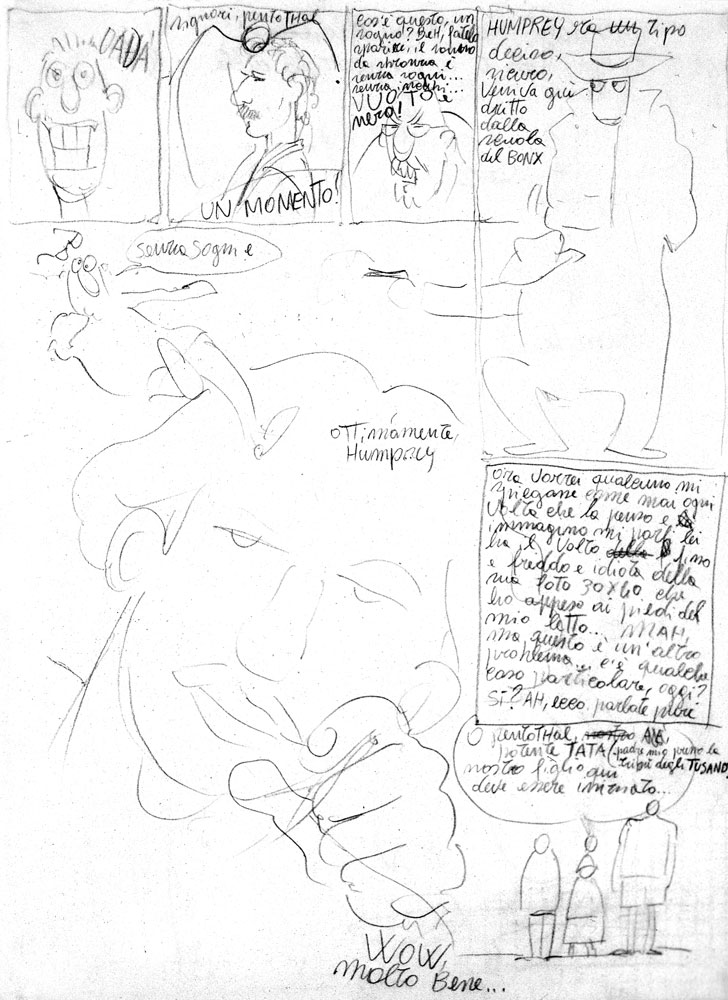
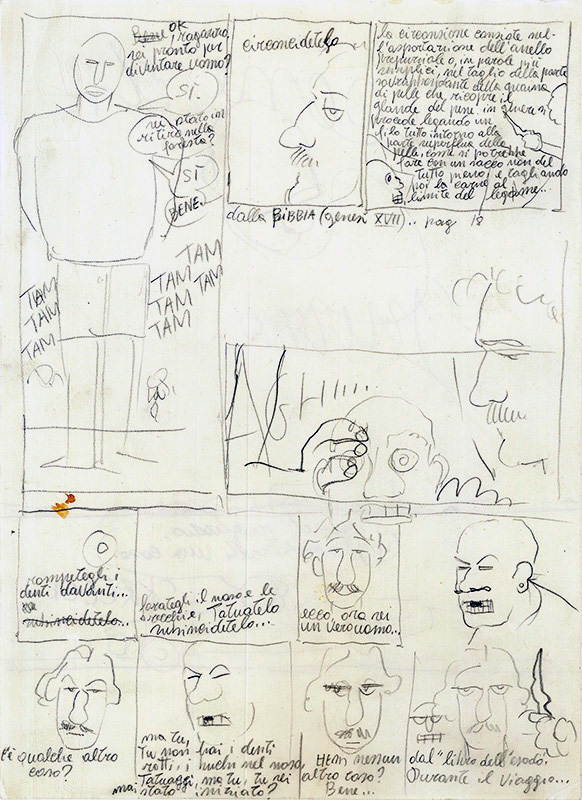
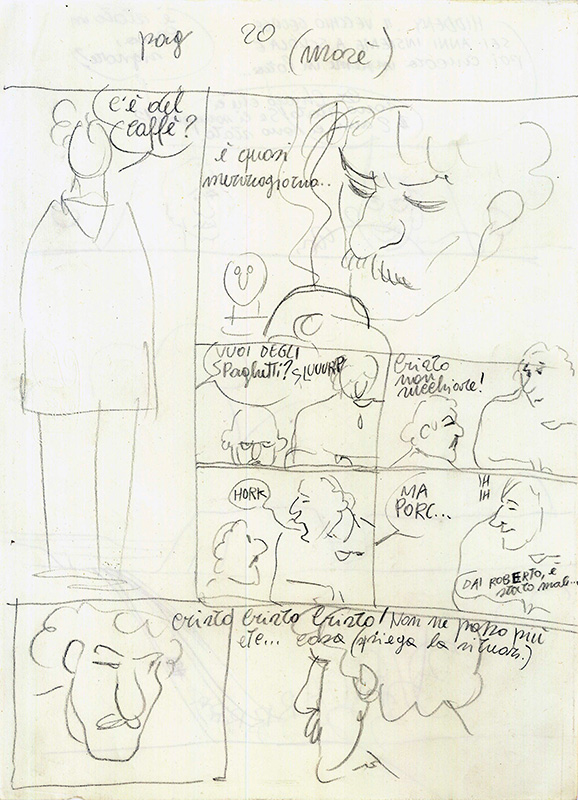
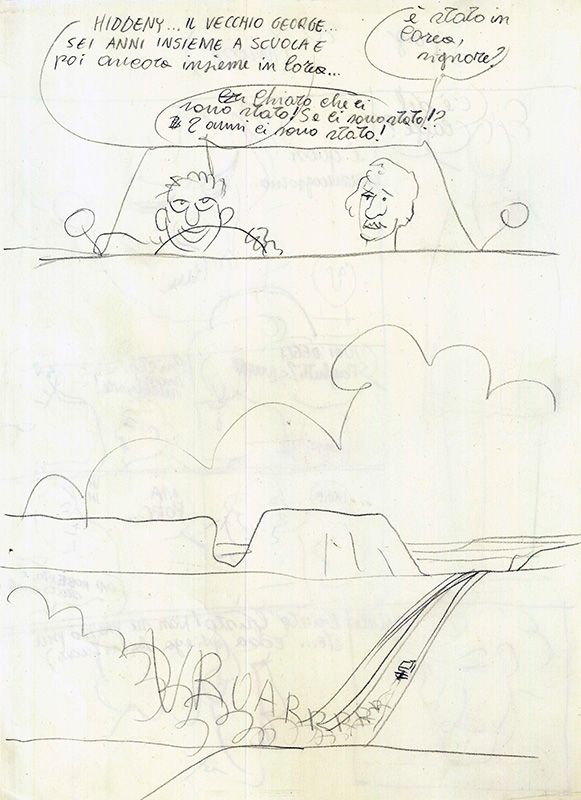
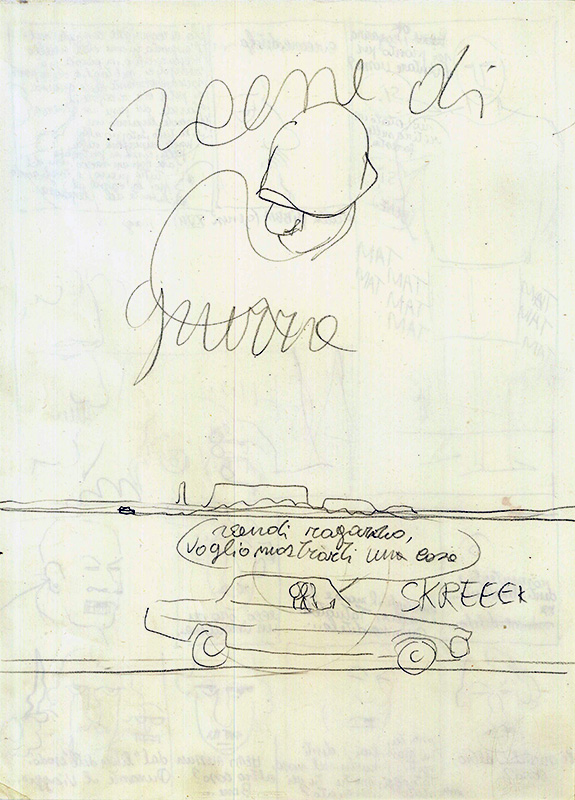
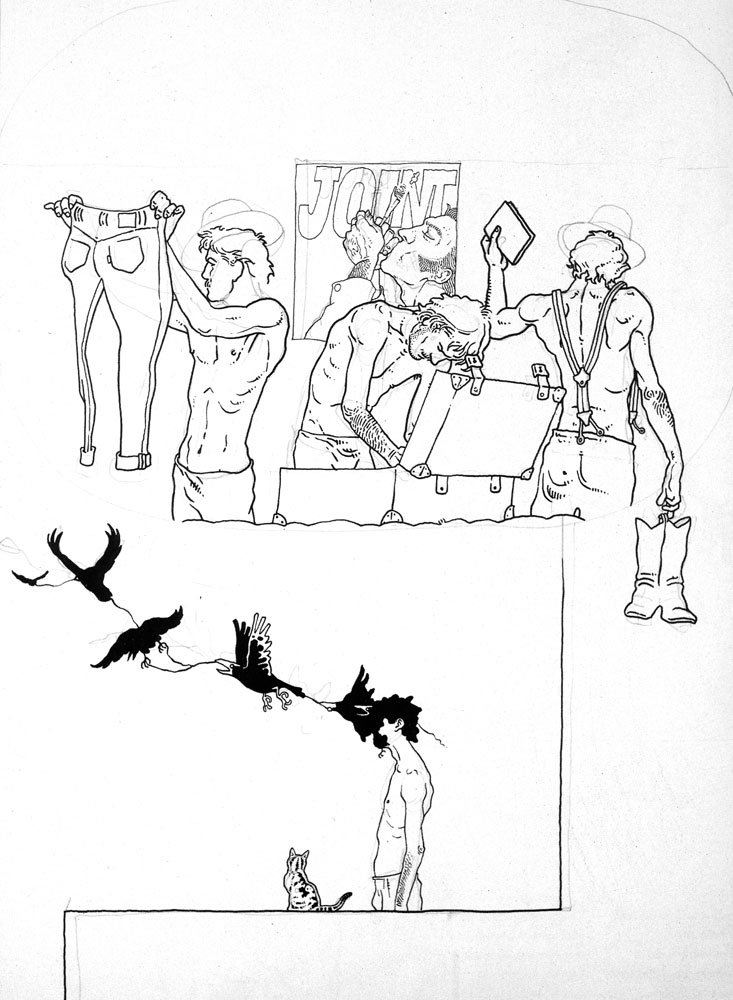
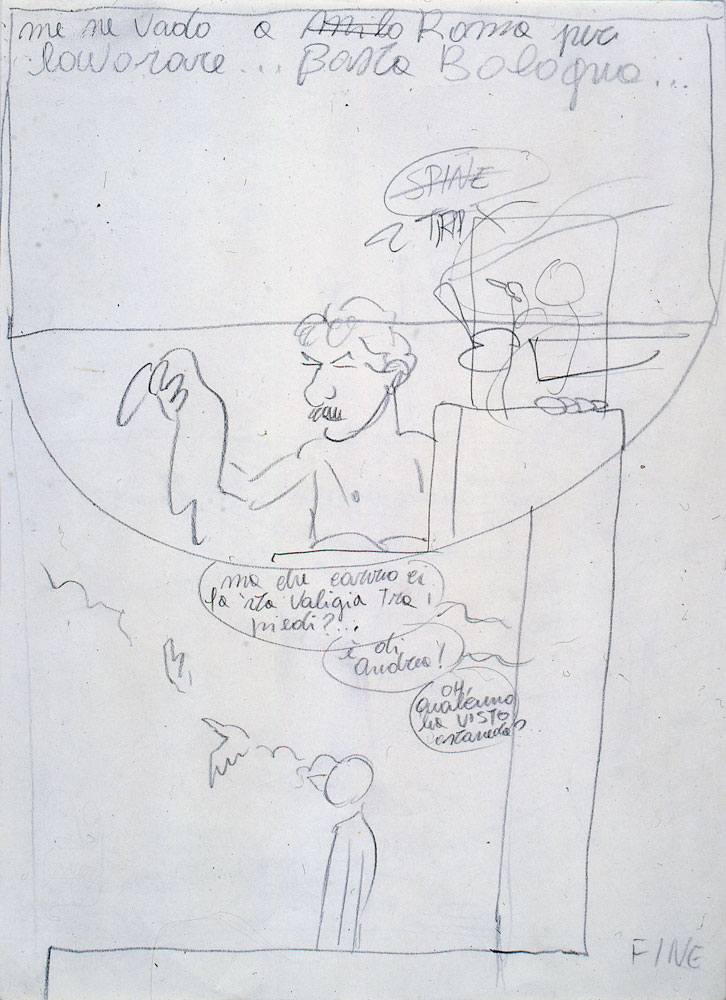
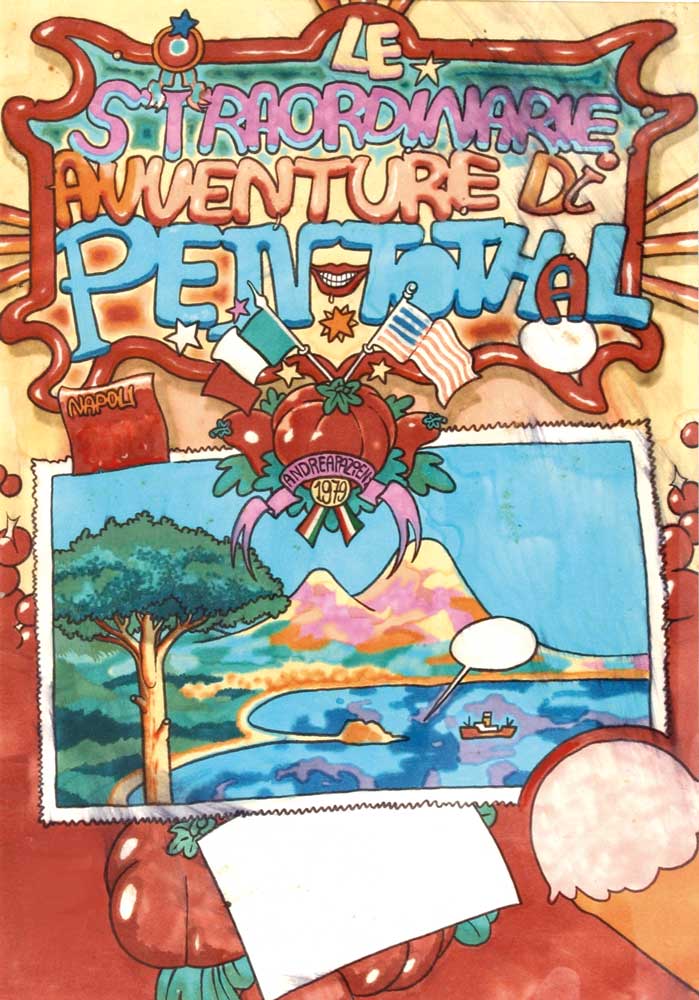
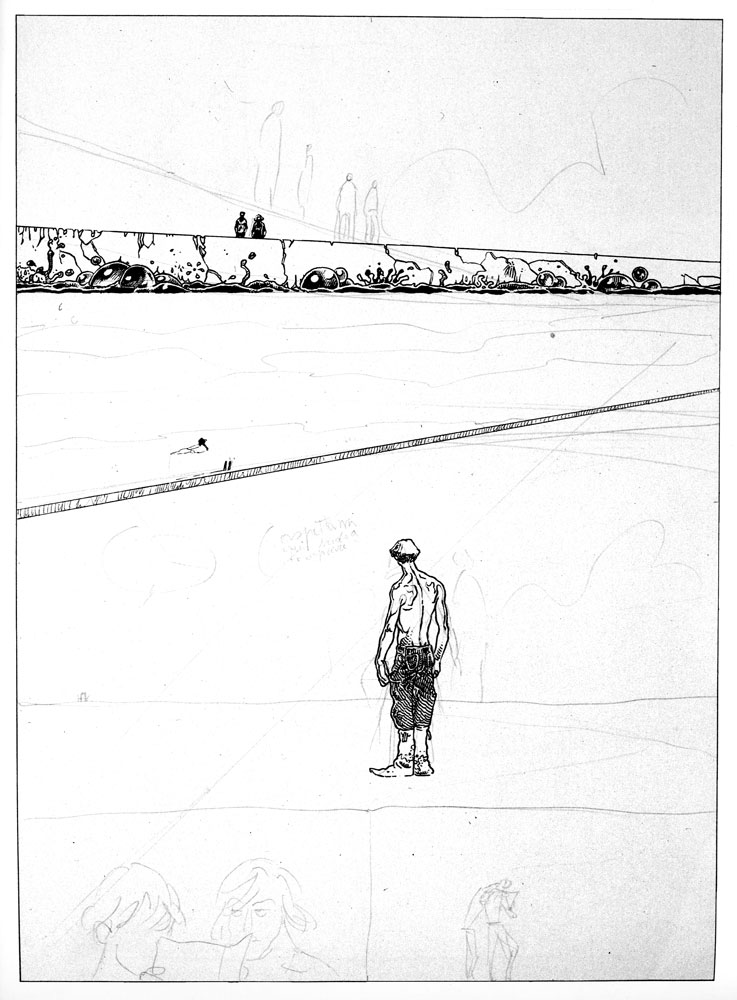
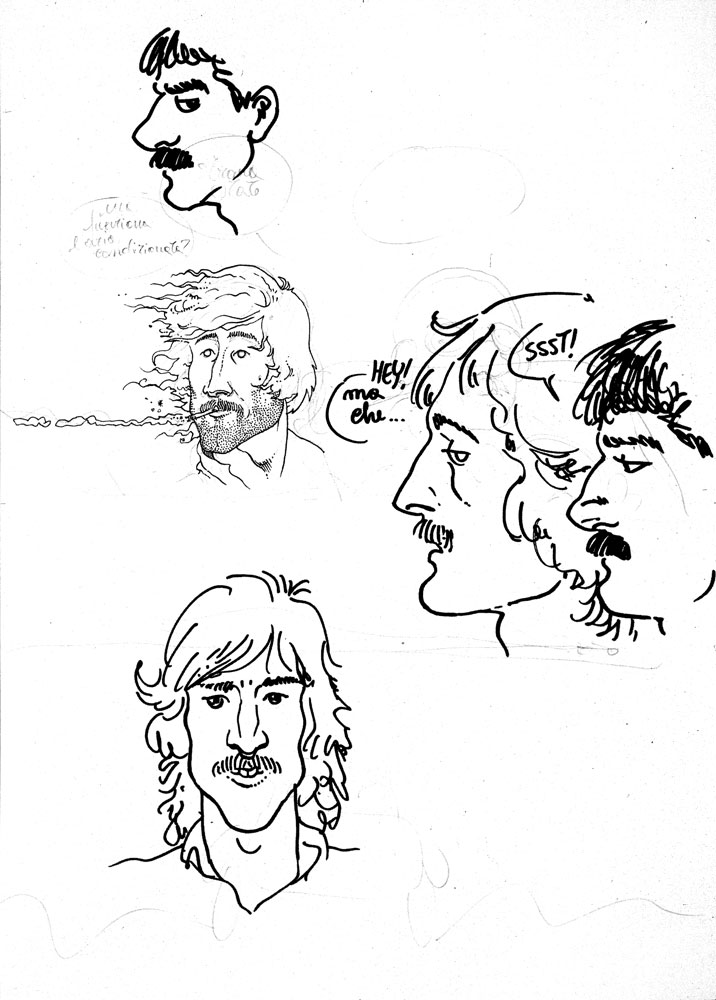
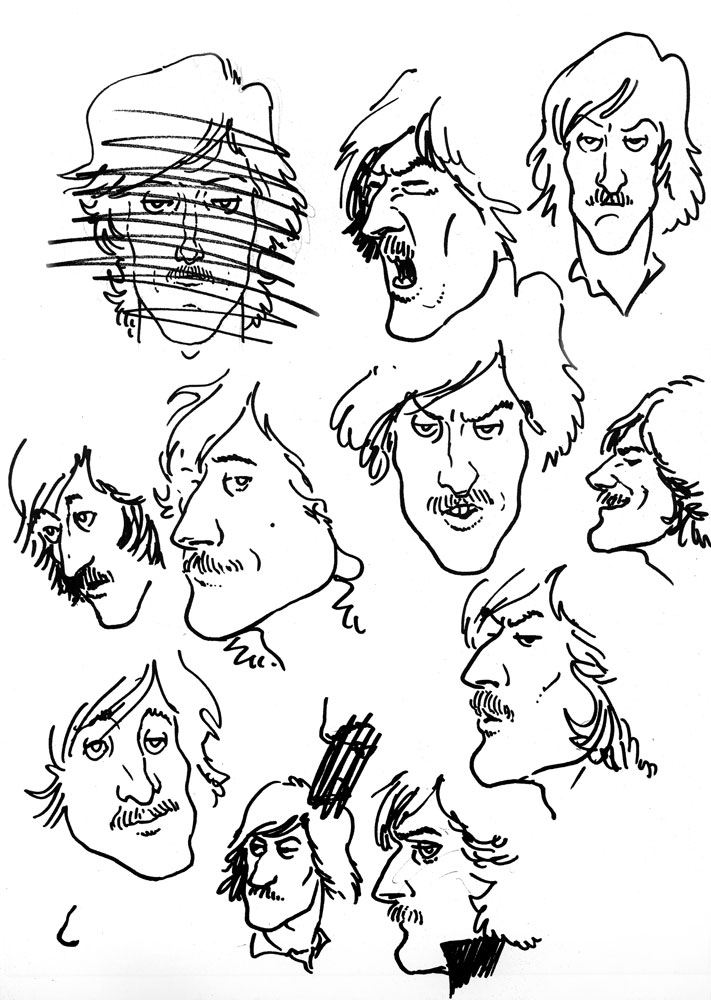
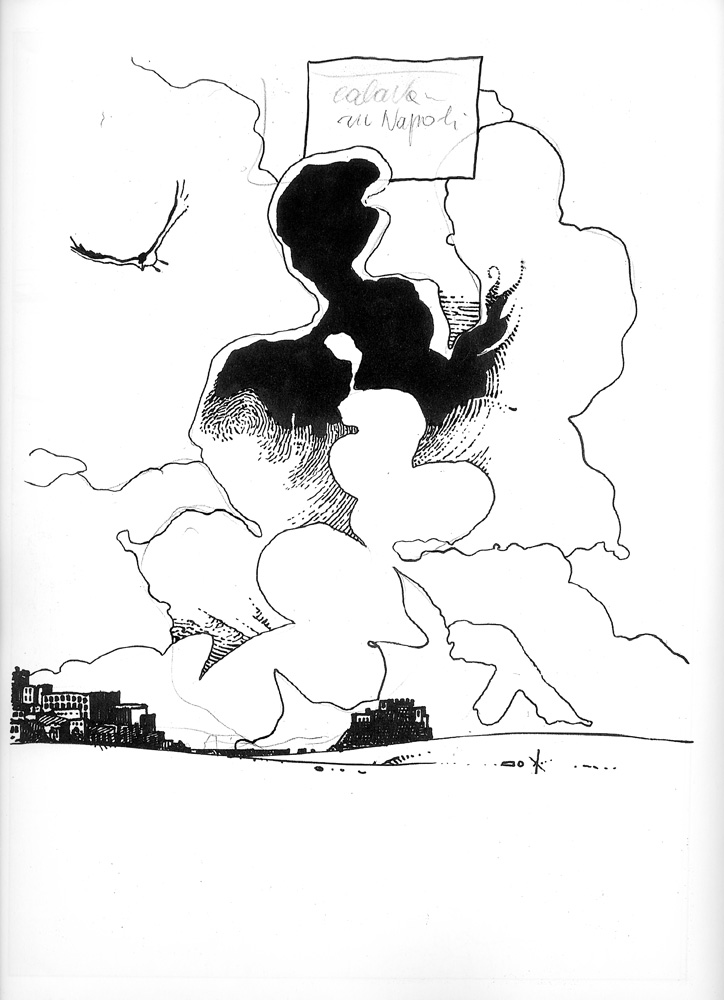
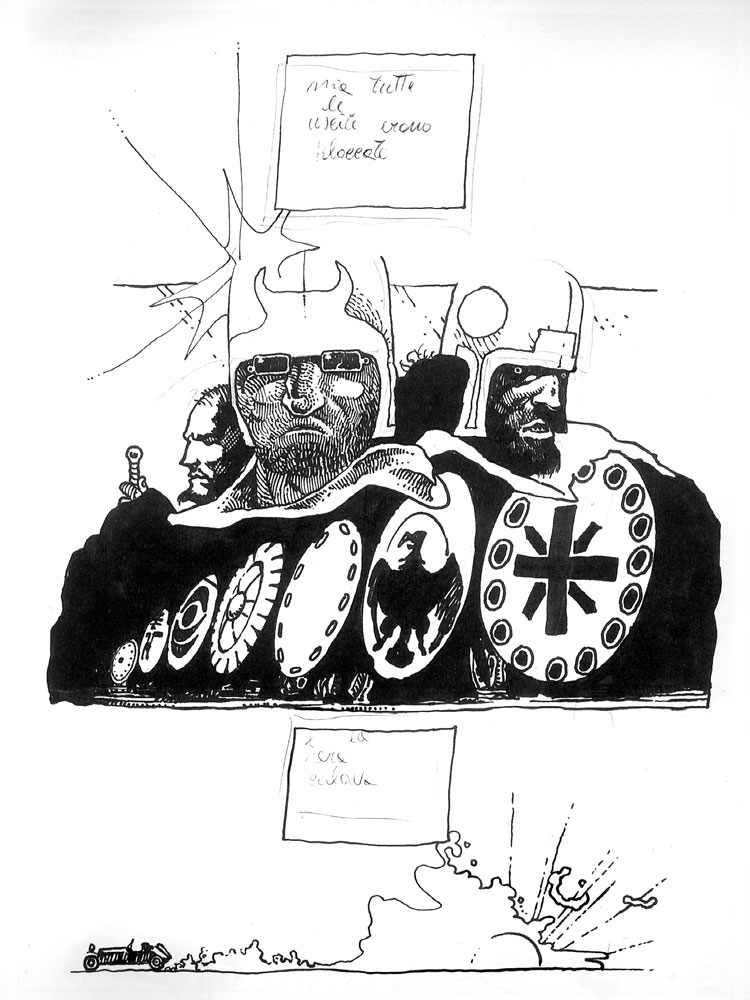
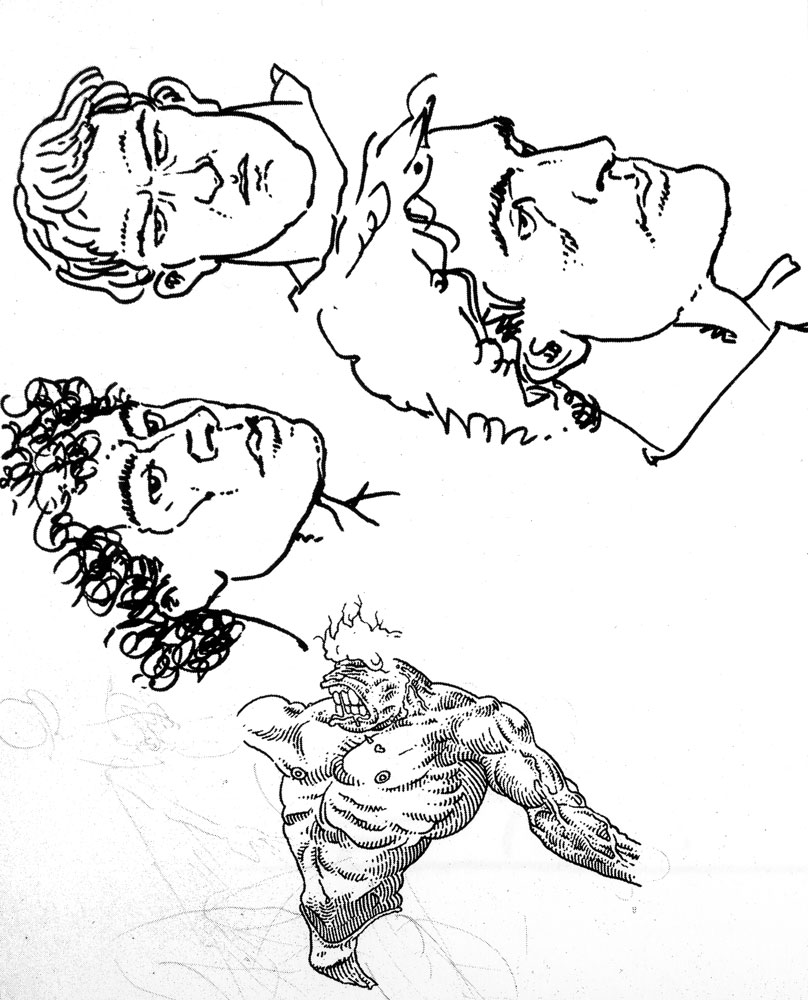
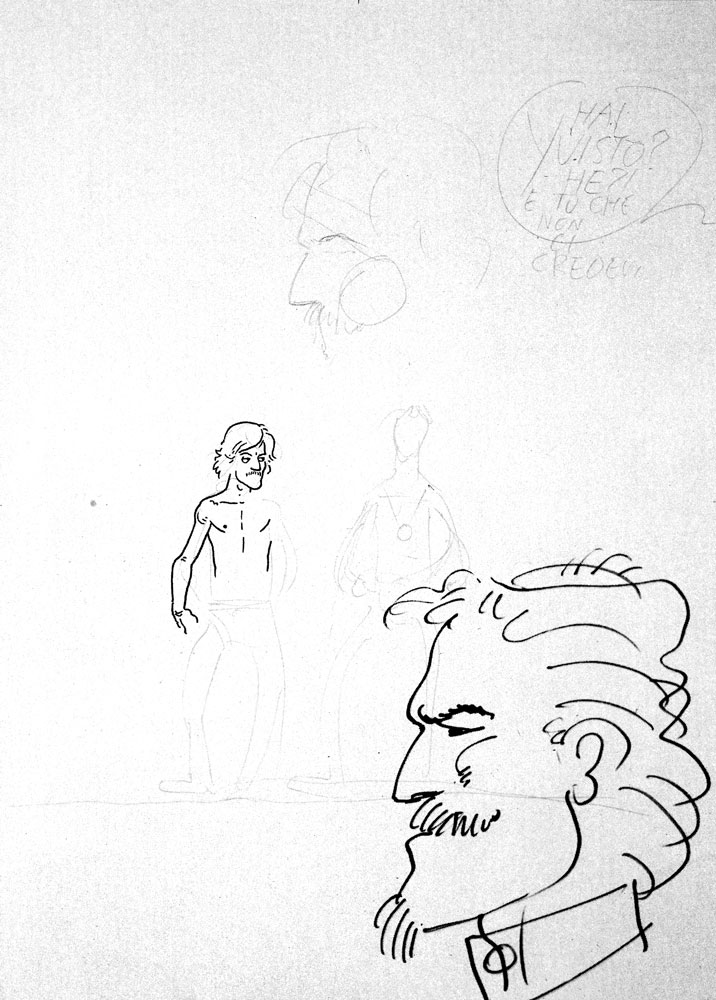
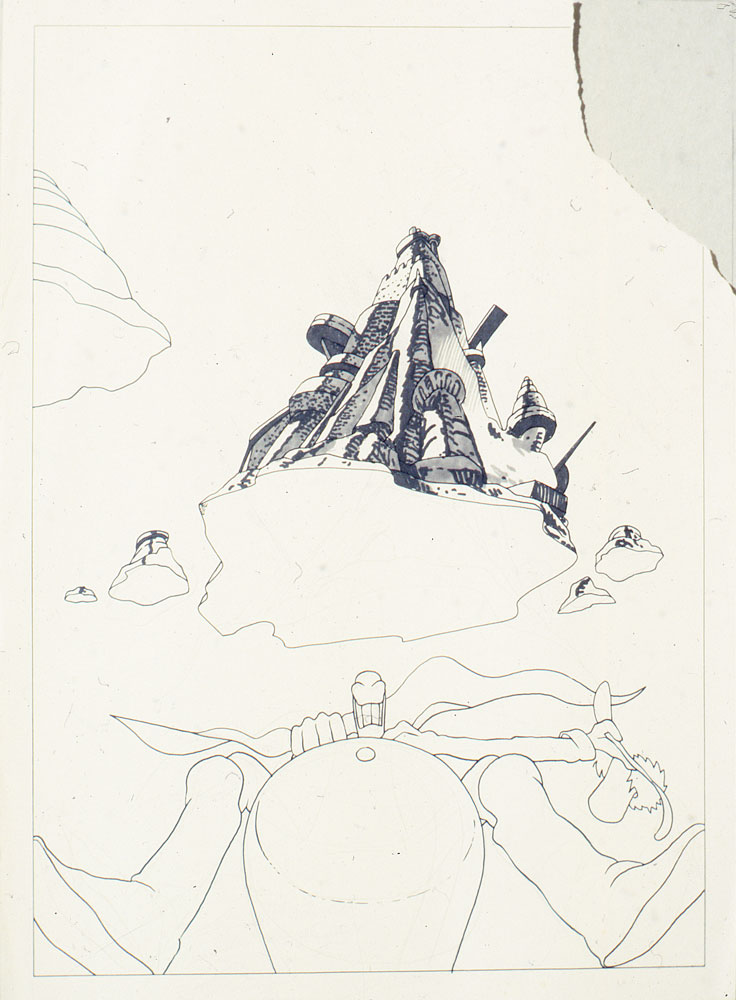
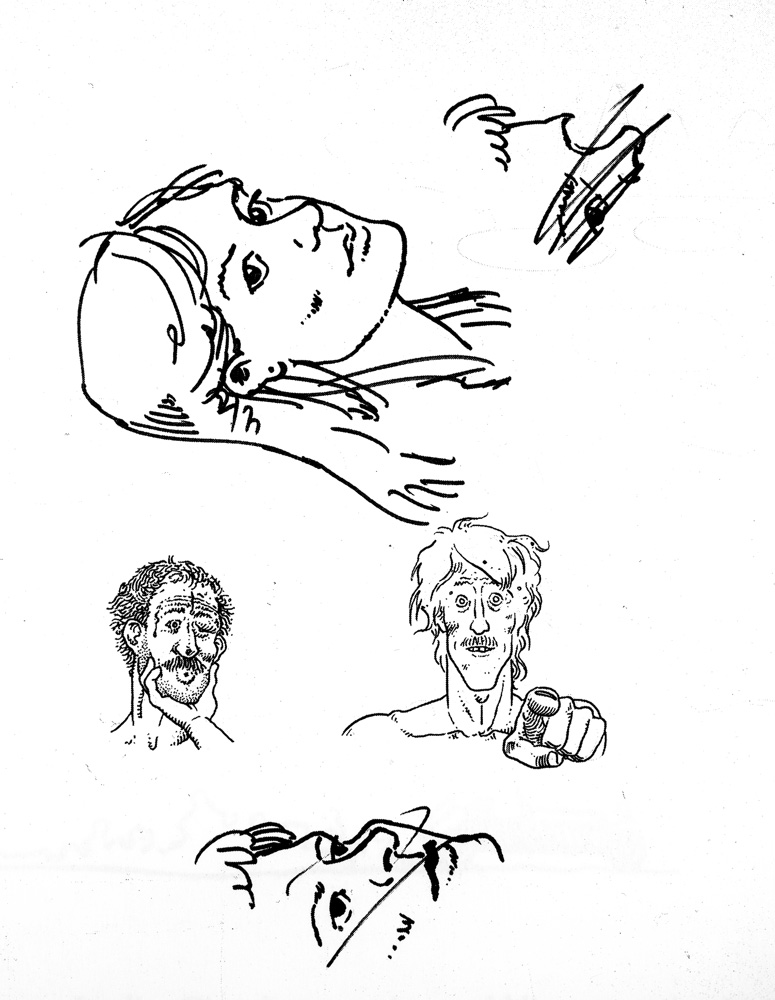
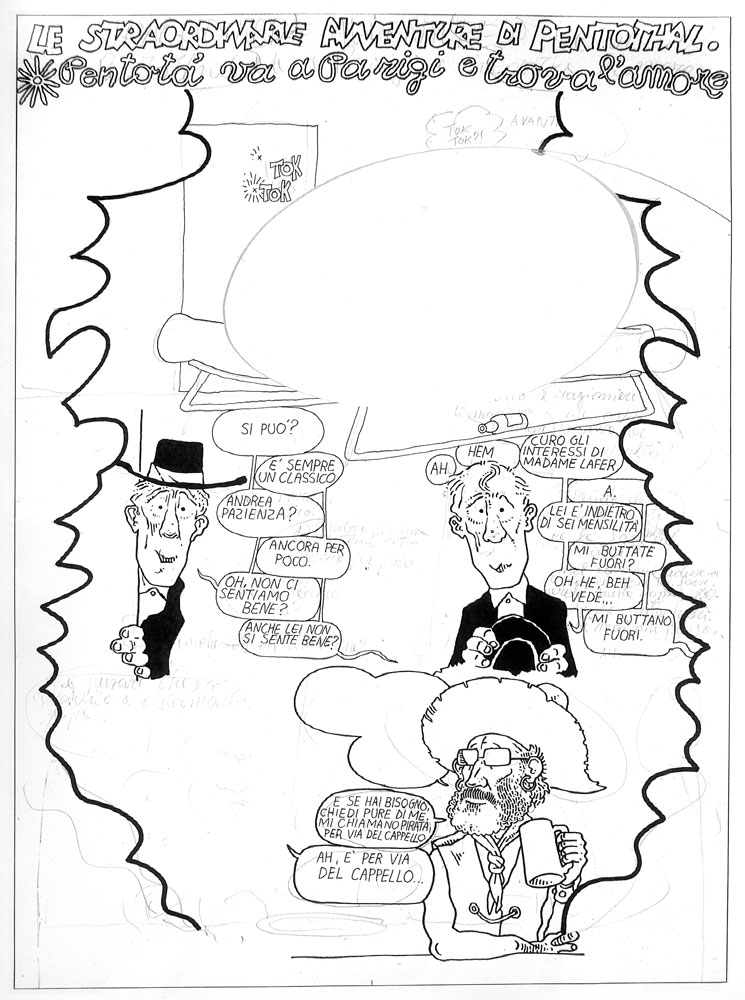
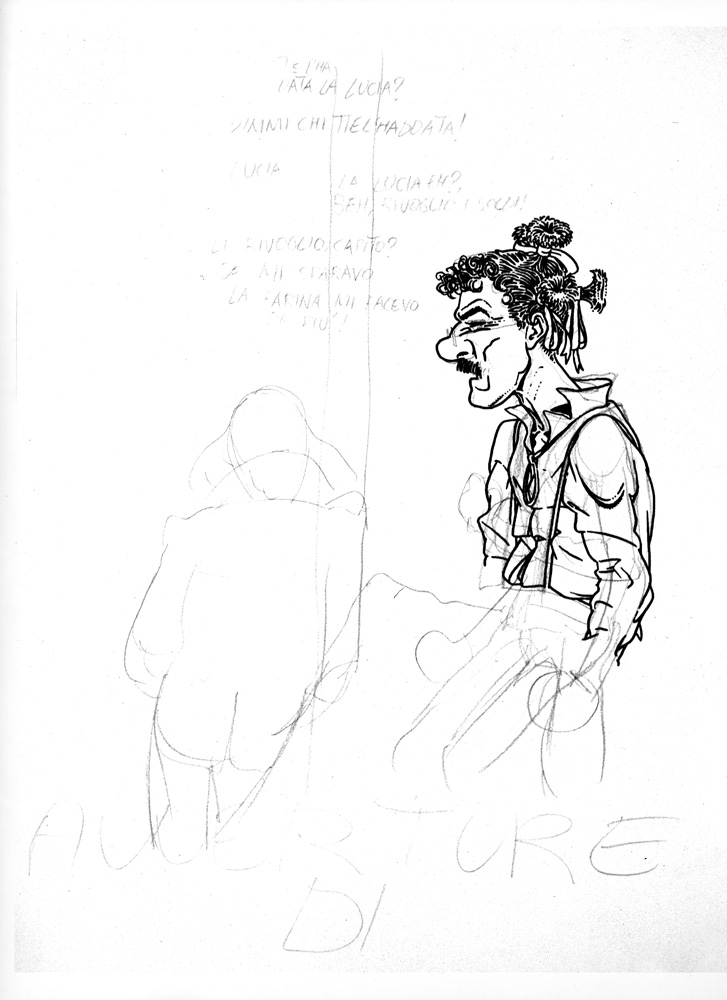
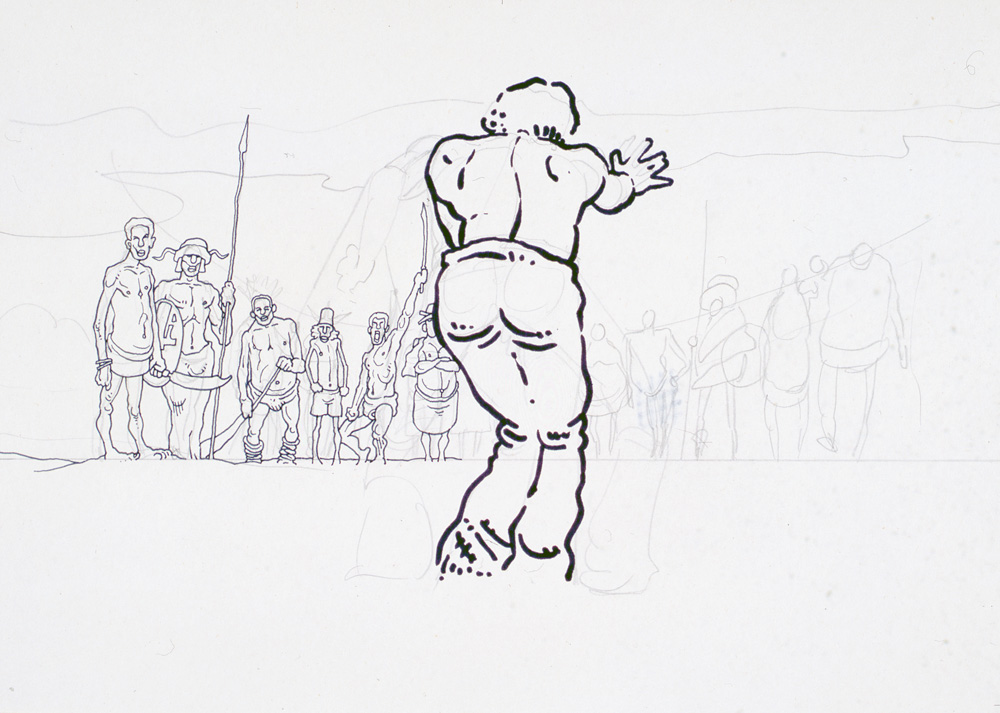
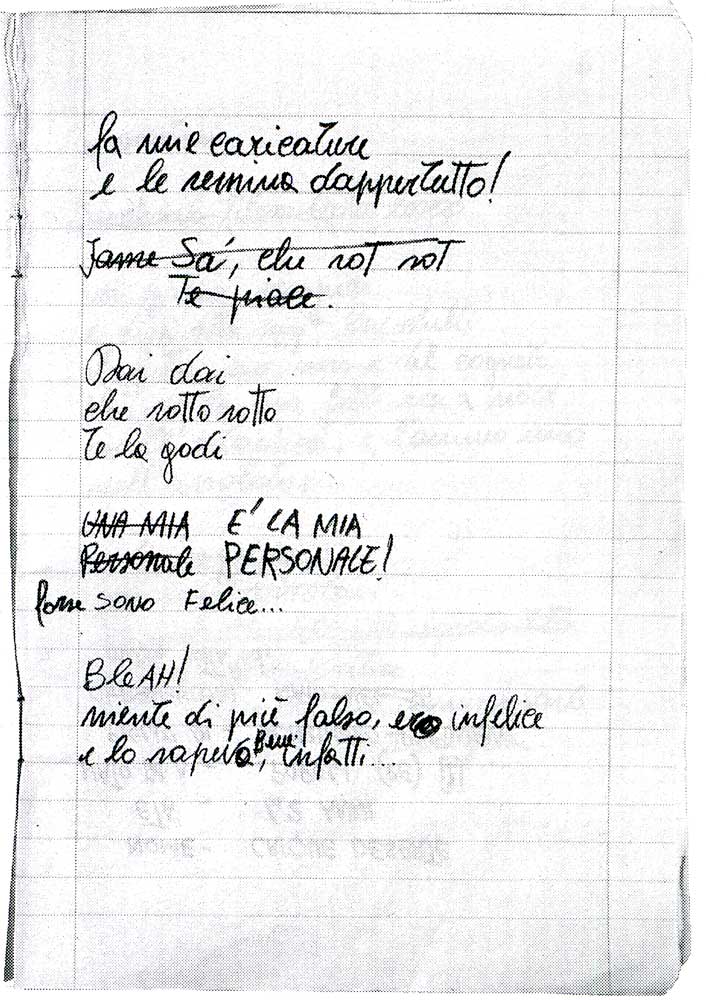
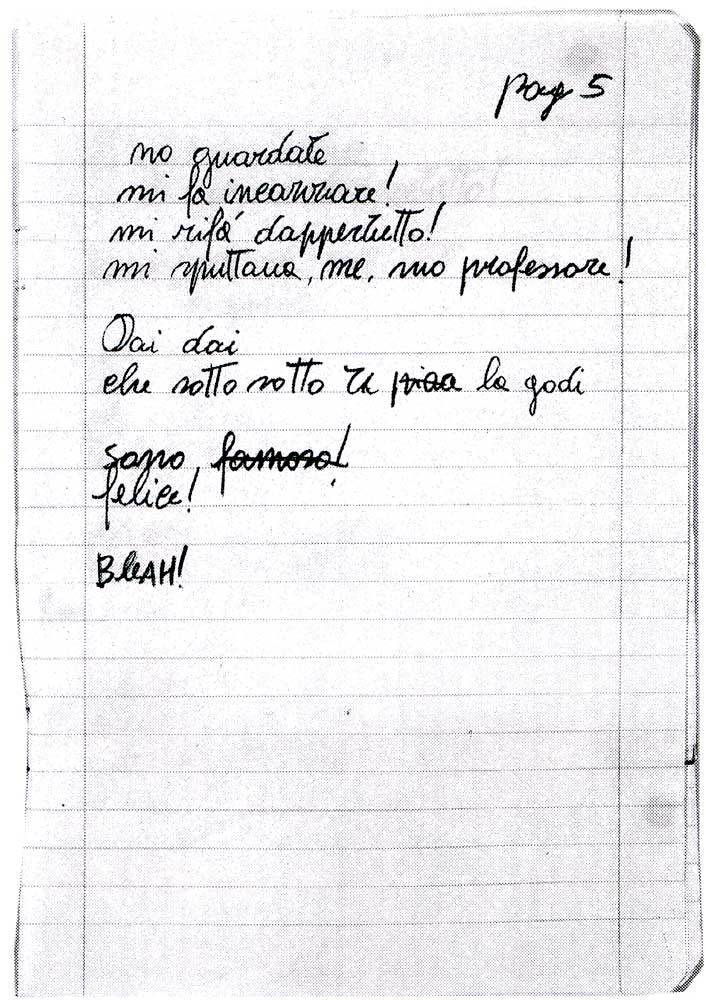
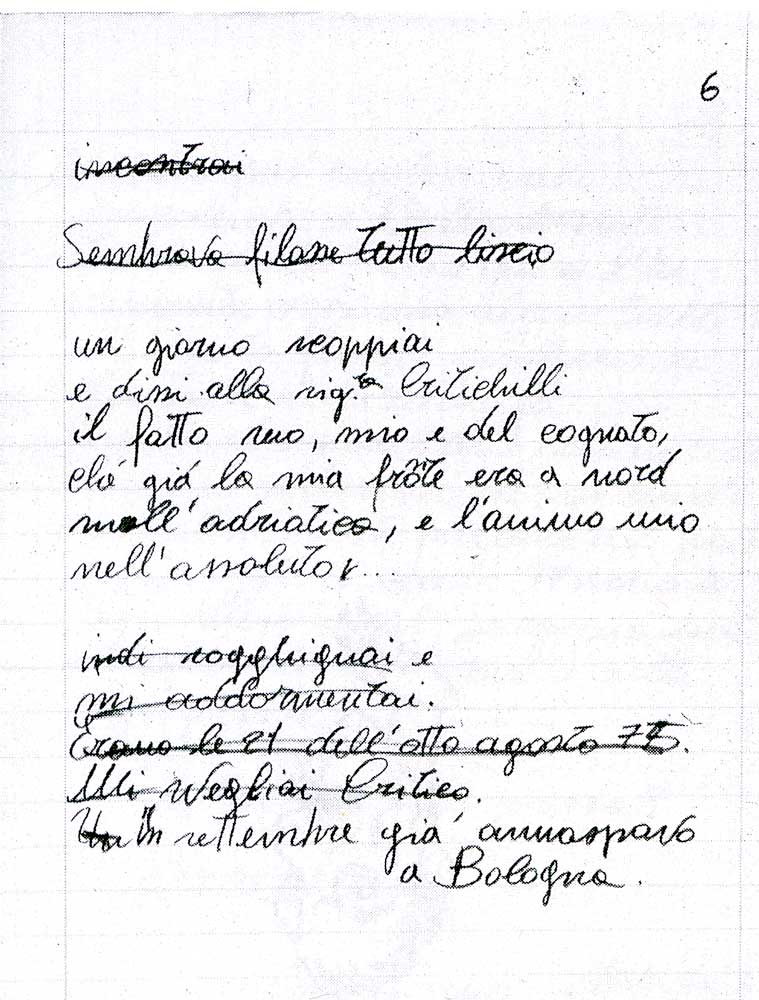
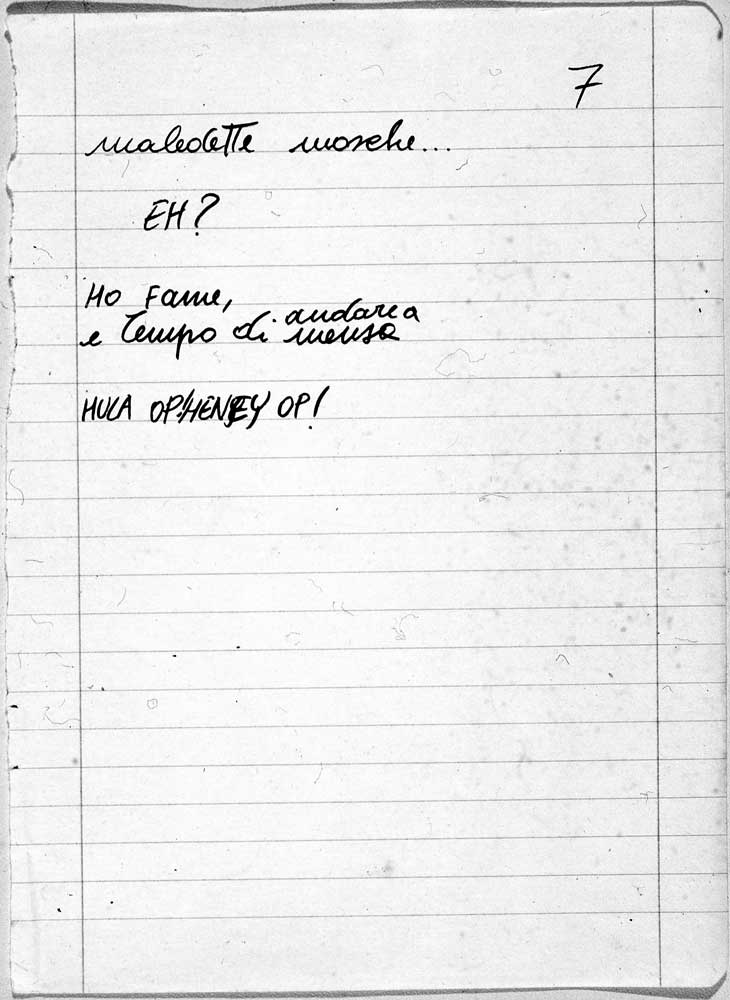
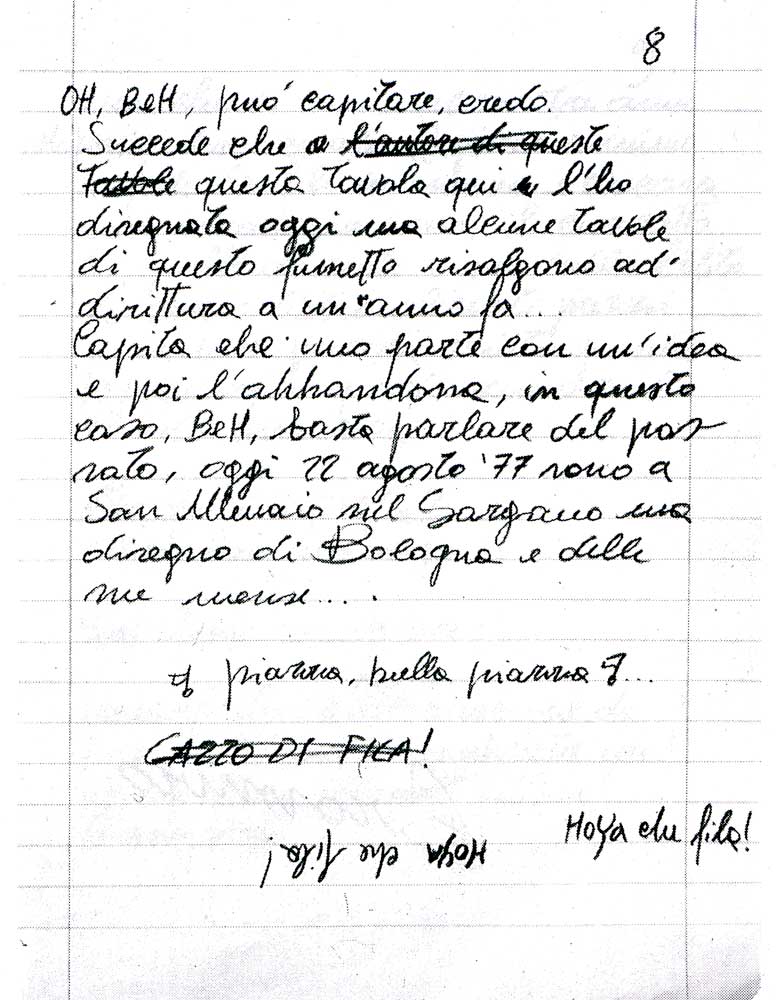
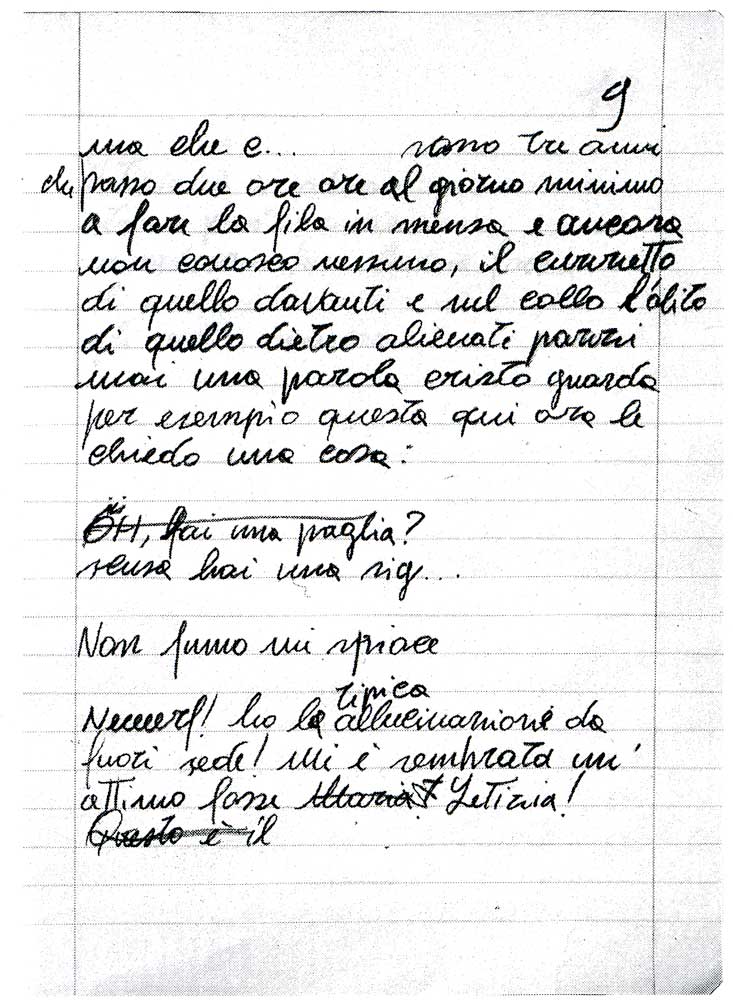
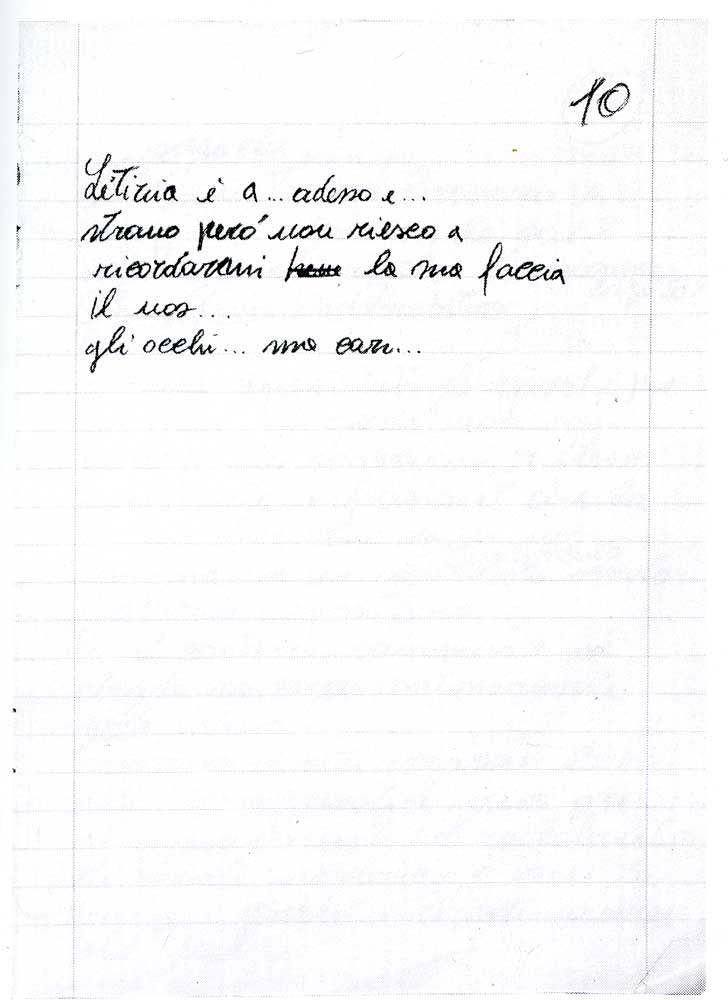
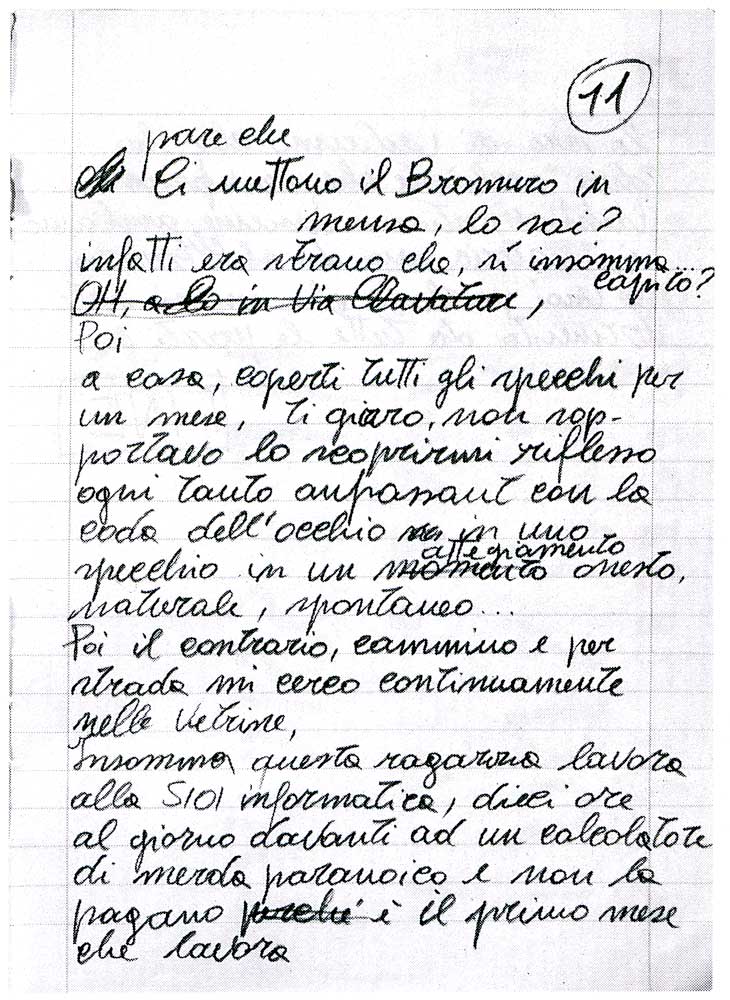
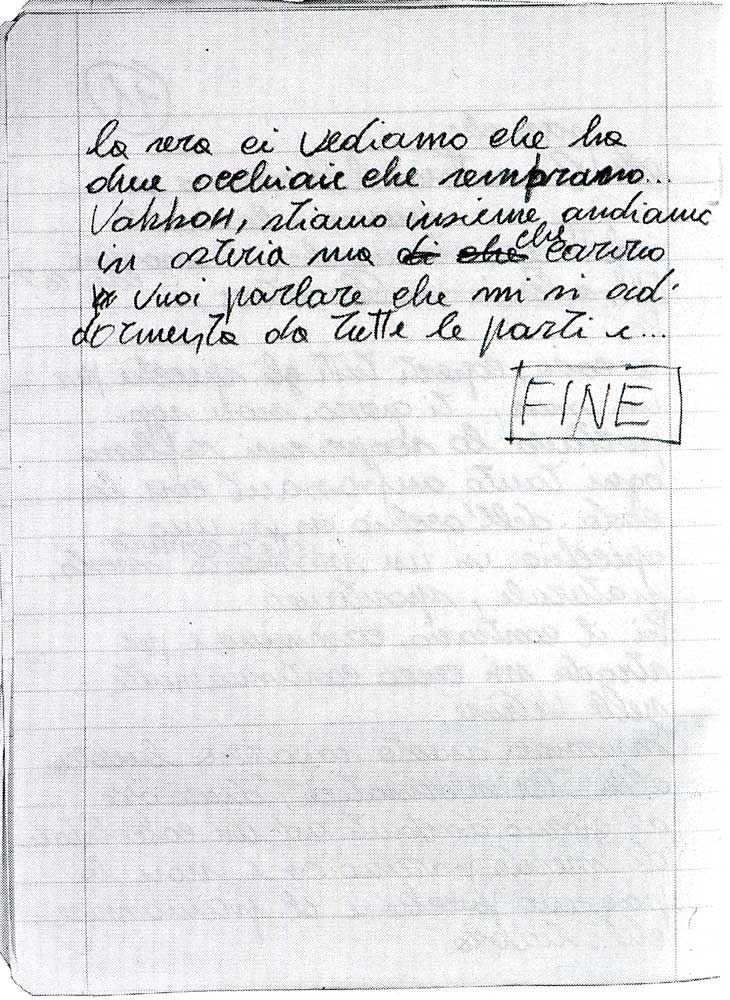
Text notes for Pentothal
Foreword by Oreste Del Buono
From the first edition of Le straordinarie avventure di Pentothal, Rizzoli, Milano Libri, 1982
From what distant era do these strips, these pages, these Pentothal stories come, the first, splendid and perhaps unsurpassed proof of Andrea Pazienza’s art? Now the central committee of the PCI, addressing the subject of culture, says that the new social subjects must be taken into account, those who are different, if the party truly wants to be different, but back then, in 1977, the year of revelation and of rupture for me and many others, part of the PCI did not support this at all…
Let’s proceed in order. But order is a suspicious word. Let’s proceed, then, in disorder. Pazienza turned up at the offices of Linus very impetuously, but also very shyly, at the beginning of 1977. Later, in the various brash statements he made, Pazienza claimed that, to get into the Linus citadel, he had handed me a fake letter of recommendation from Eco. I don’t know whether such a forgery is true; I suppose it’s a retrospective tall tale, the kind with which a successful figure livens up a past that seems less carefree to him than the present. What I know for sure is that I never read any such letter, because it is difficult, or at least I have not yet managed, to read letters that were not written to me. I admit it, it’s a limitation, I will try to remedy it, but that’s all there is to say about the letter of recommendation that Pazienza boasts of having forged.
In any case, I met Pazienza in person only after the first installment of Pentothal came out in Alter, that is, only after March 1977 in Bologna… Before that, I had seen his pages, shown to me by the girls in the editorial office, who had been intrigued and quite moved by Pazienza’s irruption, hopping and stammering, by his total nervousness, as well as by the psycho-artistic results. Being, so to speak, a man not susceptible to masculine charm, and above all not having been in the office at the time of the charismatic visit, I had only dealt with the first installment of Le straordinarie avventure di Pentothal. And that had been enough to leave me shaken and captivated. In a mixed style in which the most opposite of opposites seemed to clash and mysteriously harmonize, something like Fremura and Moebius, in which the words tended to unhinge the meaning of the drawing and the drawings to alter definitively the meaning of the words, he tackled simultaneously, greedily, inextricably, narcissistic autobiography and the political portrait of a city, the brazen private and the scandalous public, monsters that didn’t care about distinguishing between the sleep and the dream of reason, spilling over into the monstrousness of waking. There he was, precisely, waking up: Andrea, a young artist in Bologna…
What had struck me most was precisely the background: Bologna, the highly civilized Bologna, Bologna the City, so different from all or almost all other Italian cities because it had been red for so long, the very model of a city ahead of the utopia that was part of my baggage as an old communist, and which in young Andrea’s pages was instead depicted as the chaotic core of a collapse soon to come, or perhaps already under way. A tangle of tensions and injustices, of abuses and of revenge waiting to happen. Being an old communist, by age even more than by ideology, did not imply an excess of naivety. I could see even from Milan that many things were changing, but I had never thought before then, before, in short, I found myself in front of young Andrea’s pages, that certain clashes could happen in the same way at any point in Bologna’s future. In Milan or Rome, yes, but not Bologna. Young Andrea’s pages had thus given me the shiver of a Bologna of his own, which I stubbornly wanted to believe was his alone, purely imaginary…
So we had decided to publish “Le straordinarie avventure di Pentothal” in Alter, or rather, it was still called Alterlinus, the younger brother of Linus, devoted to science fiction, fantasy, and imagination in every form. In issue 4 of Alter, to be precise, that is the issue dated April, but coming out toward the end of March according to the whims of our usual schedule, and therefore in production between the last days of February and the first days of March. Well, in the middle of it, March 1977 exploded in Bologna. Young Andrea just had time to add one last page. His tousled head, one of his eyes, a bit of his nose, an artist’s reflection. “Cut off… I’m completely cut off…”. A clamoring Radio Alice saying let’s not scatter, let’s all meet up, the turret of an armored car pointed at the reader, a scrap of a banner reading Francesco is alive and fights alongside us.
And a note: “While I was working on these pages in February ’77, I was convinced I was drawing a flash in the pan, and I was spectacularly wrong, because it was actually a beginning. Had I had an inkling of it, I would have waited and drawn this beautiful March. So I suddenly find myself not really knowing what to do anymore. I already handed all the material to Linus twenty days ago, but, Christ, so many things have changed in the meantime, and so many more will change before the day the comic is published, that I feel sick and call myself an idiot for not having thought of it. I mean, drawing comics isn’t like writing for a daily paper. If you know what I mean.
So I’m drawing this page here and I’ll try to take it to Linus to replace the last original page, hoping to make it in time. In place of the customary “the end” at the bottom right, the last original page had a “so this is the end”, which sounds really bad. God, I swear, I thought it was a flash in the pan, and instead it was a beginning. Hooray!” Andrea Pazienza, March 16, ’77…
It was a beginning, of course. But of what? We know by now. That beautiful March could not stay beautiful for long. For it to turn out truly beautiful, the beginning of something useful, it would have taken understanding, solidarity. And it would have taken solidarity precisely and above all in Bologna. There was none, and a few months later Pazienza wrote a letter to Fulvia, to Fulvia Serra, then head of the editorial staff of Linus and Alter, now fully deserving editor in my place, a letter I think it right to recall in this introduction: “Dear Fulvia, as you know, here in Bologna the air is getting tighter and tighter. The atmosphere more and more disturbing: we are on the thin edge of delirium. It seems that all of us who live in this besieged city, as the besieged, never pay enough, ever.””
And so La città futura, the weekly of the young Berlinguer followers, comes out in issue 9 with a feature on Bologna (the present city). It’s not a sensational feature: for months these level-headed peers of ours have been in the front row applauding, urging, promoting and helping to put Bologna in a net, reminding us weekly of the future city. It’s not a sensational feature: this time too the devil comes back to life in the recollection of the March days.
They publish an “unreleased” recording from Radio Alice in which voices from the movement speak, voices talking about armed police and comrades to be defended: they are the voices of those days, Francesco killed a few hours earlier… but the Berlinguer followers, skillfully using the context and the bold type of the headlines (Eco’s favorite pupils), confirm that Alice is the devil, Bifo a seducer, an agitator, a provocateur (but guys, these days just saying Bifo says it all), the comrades of the movement cannibals, the foreign students the plague, the weed to be uprooted, the Autonomists you can imagine, “The international plot against Bologna must be annihilated, it’s not enough to have comrades and friends in prison for four months, twenty to a cell…”.
Pazienza, however, wasn’t writing to complain in general about the world he had to live in; he was writing to protest for a specific reason, one that concerned his pages: “It’s nothing exceptional, we know, monsters reproduce endlessly. I got pissed off (I’m ashamed to have been surprised) because all those speeches printed in lead were laid out superbly, and to, as they say, lighten them up, Adornato and the others thought it a good idea to slap my friend Pentothal from April in the top right corner. I don’t want to comment further, I believe you didn’t authorize them, I’m sure of it, and so I demand that they apologize, polite as they are, that they clarify, precise as they are, and that they pay, they who have never paid. I stand on the other side. Let them find among their own ranks the illustrators, writers, musicians, poets and singers of the historic compromise, of the tanks, of work, of Siberia. Warmest regards. Andrea (who has lost his patience)…”
I was the one who answered him in Linus, not only because, since a fascist law imposes the institution of the legally responsible editor, it was logical that I, rather than Fulvia, should take the responsibility, but also because I was the only card-carrying communist in the office, and an old one at that, and so I owed young Andrea an answer. None of us had authorized the republication, and we stood with him; he was right, he and those like him who bore witness to the imbalance caused by being abandoned by official politics, and at the same time to the need not to destroy everything, as their opponents claimed, but to recreate something, something, among other things, recreational, spectacular, fruitful. The Bologna that serves as the backdrop to Le straordinarie avventure di Pentothal is not an imaginary Bologna, but a historical Bologna imagined fantastically by Andrea Pazienza before History happened, while History was on its way. This is what I want to point out here, rather than holding forth on the art of young Andrea, who now, certainly a little less young, is probably better, more in command of his means, but who has stopped unconsciously foreseeing History, in order to consciously shadow it, comment on it and disfigure it with atrocious desperation and desperate suggestion. Hope, his capacity to hope for a different future, remained in that beautiful, different March about five years ago. About five light-years, at least…