Pompeo
“Pompeo is the story of a man around thirty, of a boy back then, perhaps, who lives in a city full of ferment that doesn’t interest him and who, by a sort of chance, is hooked on heroin. What does this mean? It means that Pompeo is above all a disenchanted look at the world, and clearly he has to die.”
Andrea Pazienza, spring 1988

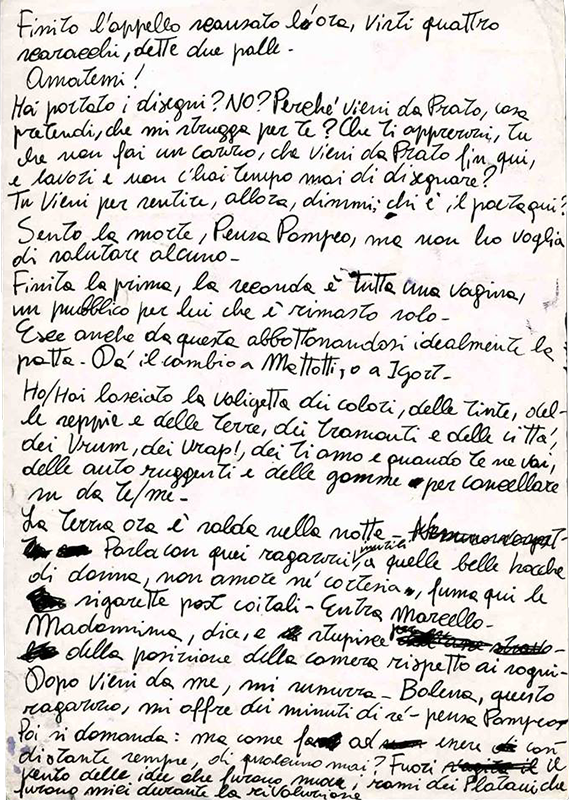
“(…) This kind of reasoning led me back to Mayakovsky, to Pasternak, to Yesenin. Suffering is a splendid planet to explore and a source of countless possible wanderings in the field of inquiry. I have a sort of eclectic fury; I’ve worked with comedy, with adventure, with everyday life, with satire and also with suffering, with anguish. This Pompeo is the sum of a whole series of life experiences, it is certainly autobiographical, made of work, of storytelling, of literary experiences. (…) And this is one way of drawing. The time spent on Pompeo is certainly not the time I take to do a Zanardi page, Notte di carnevale for example; on the contrary, I thought about it much more.”
Andrea Pazienza, from Jonas no. 17, March 1986
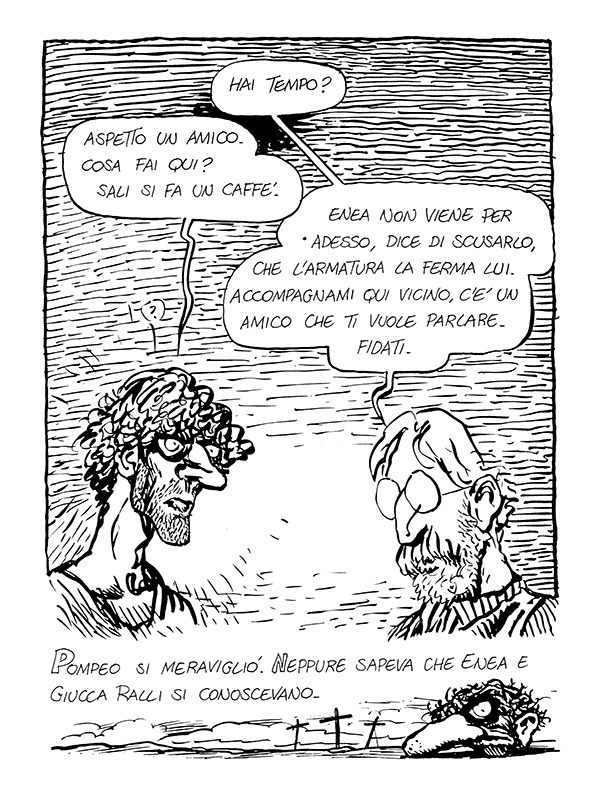
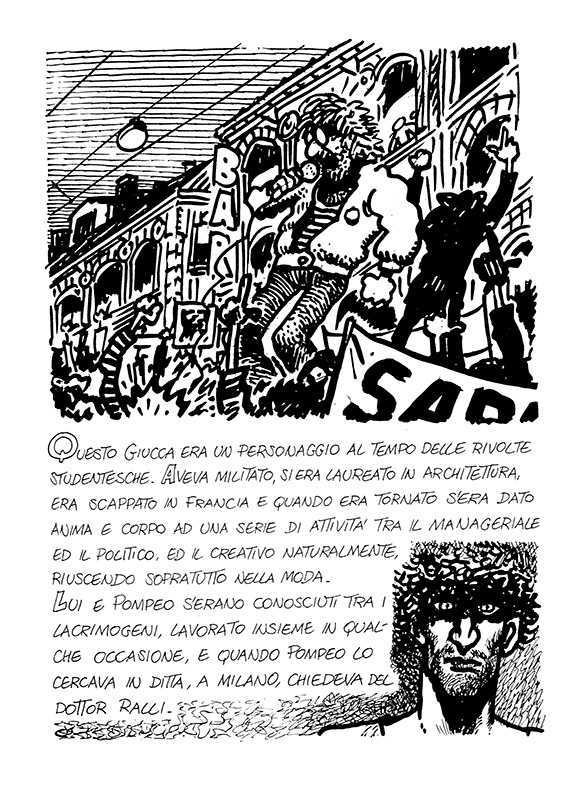
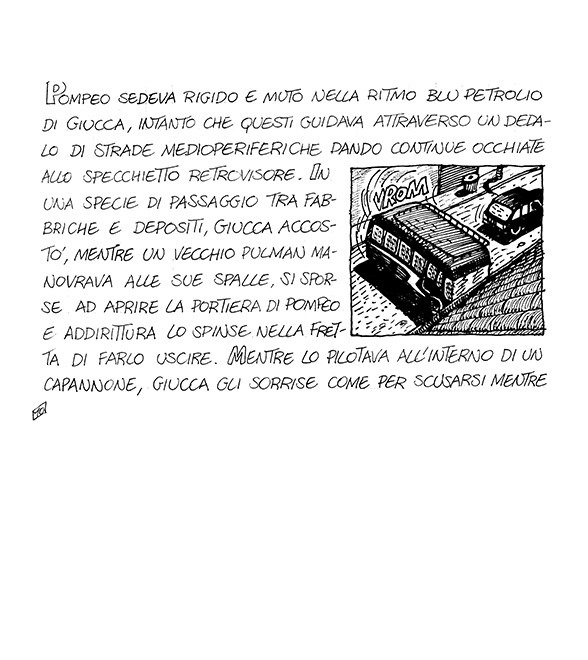
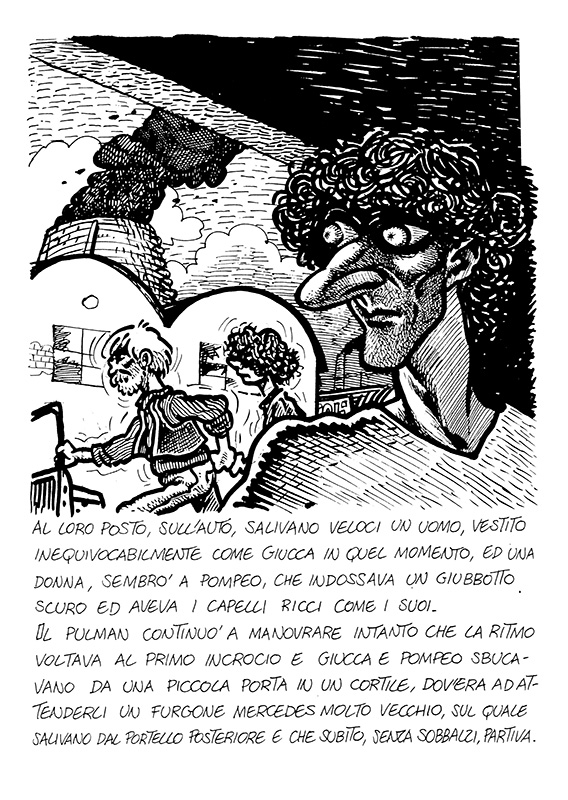
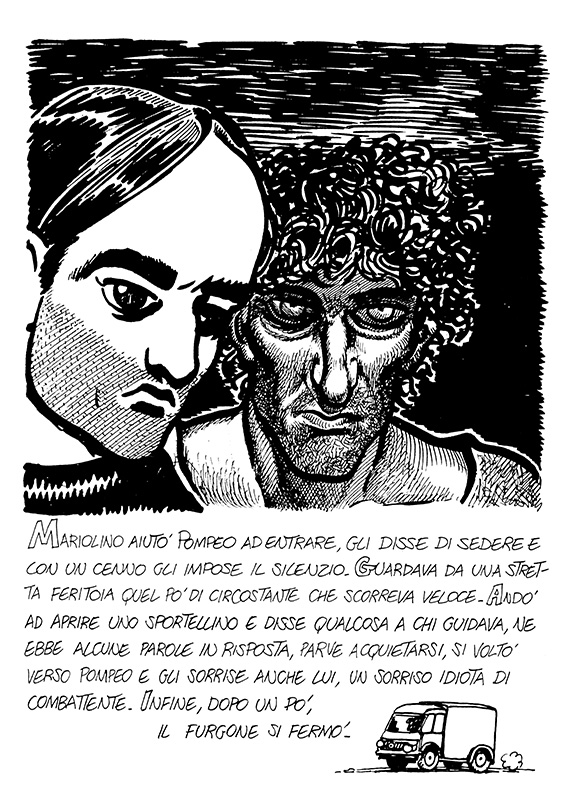
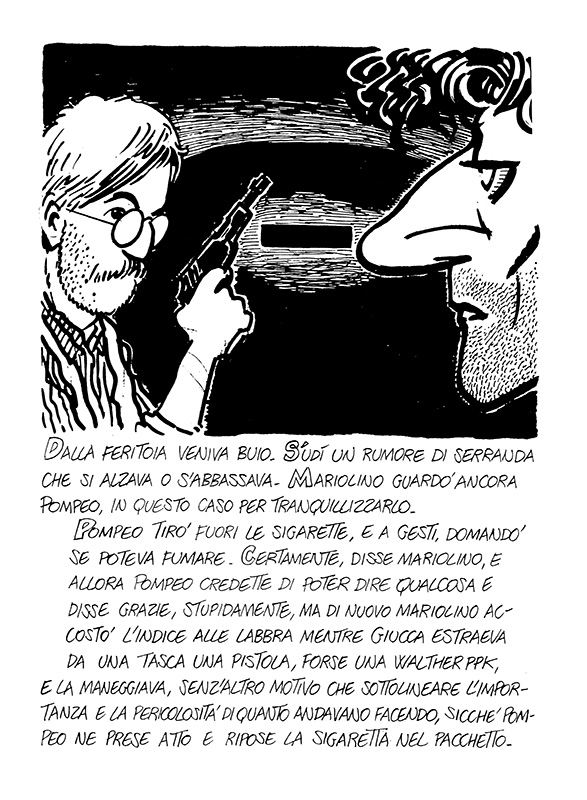
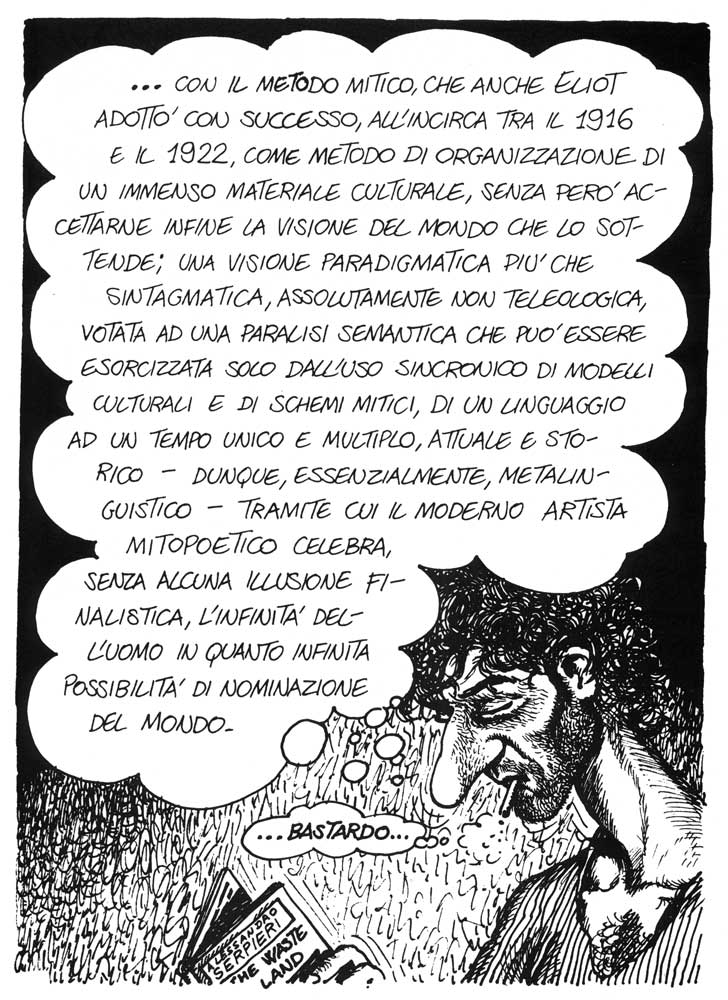
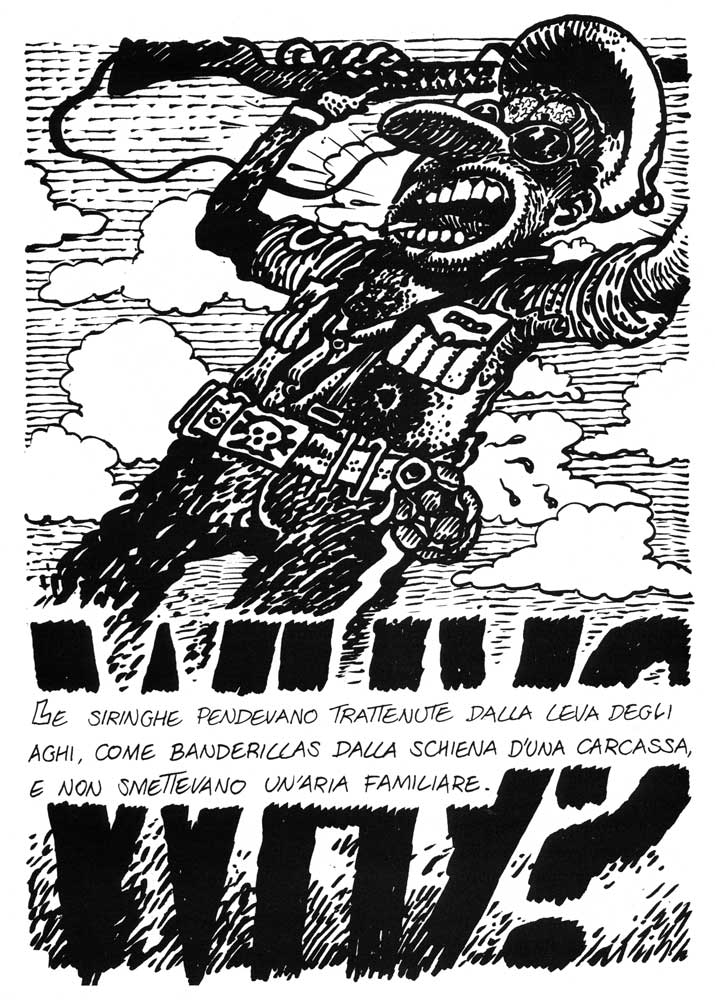
Pages from the comic
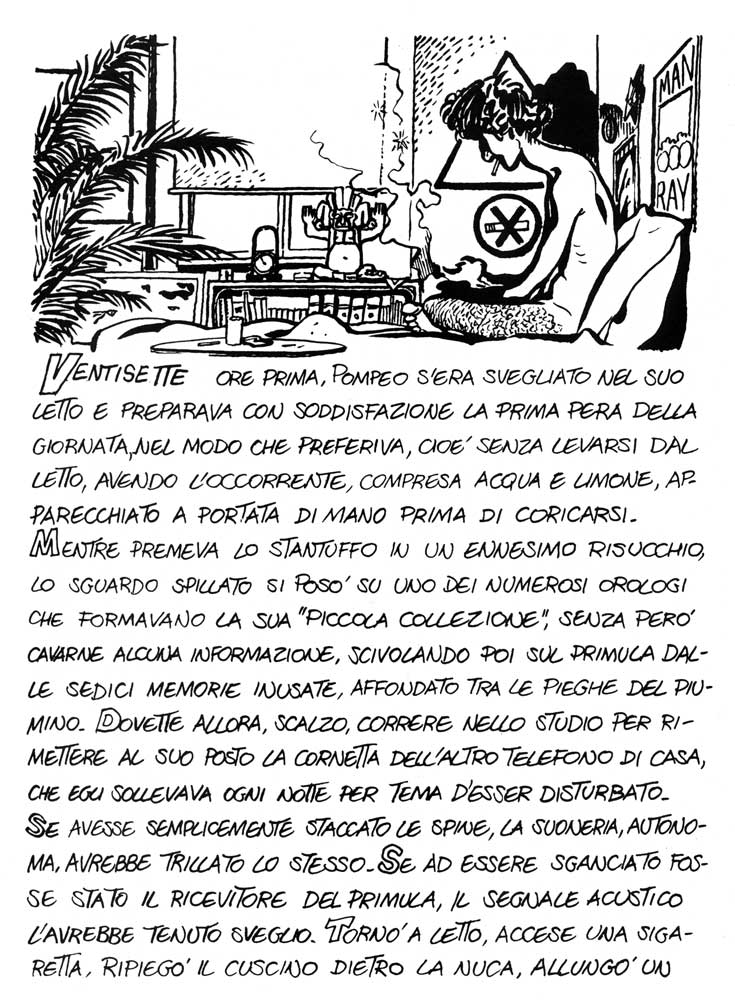
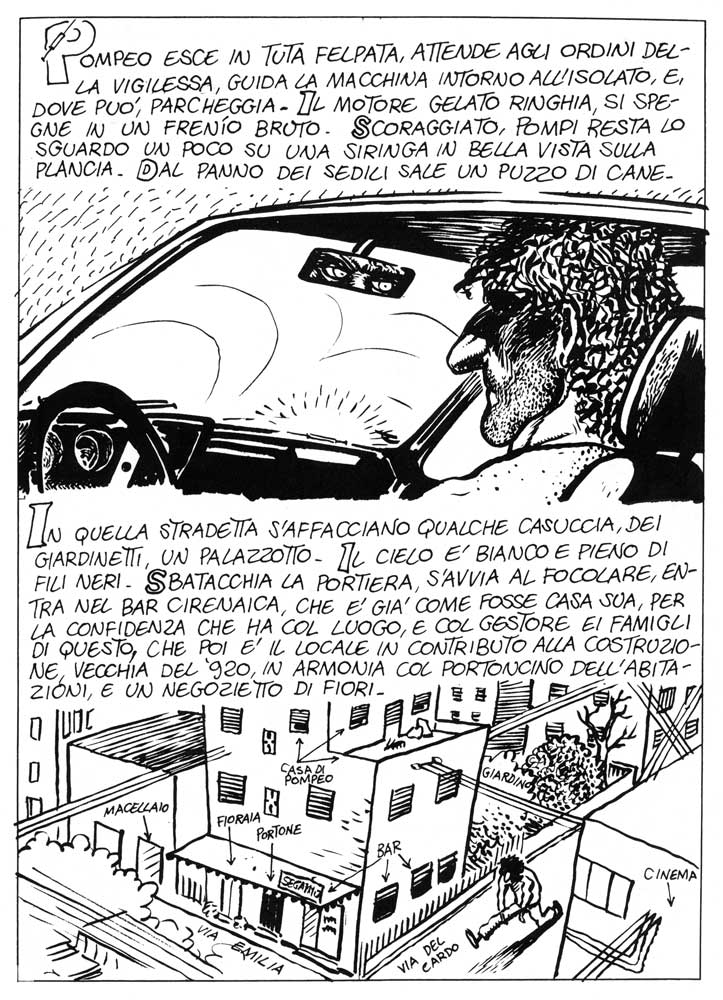
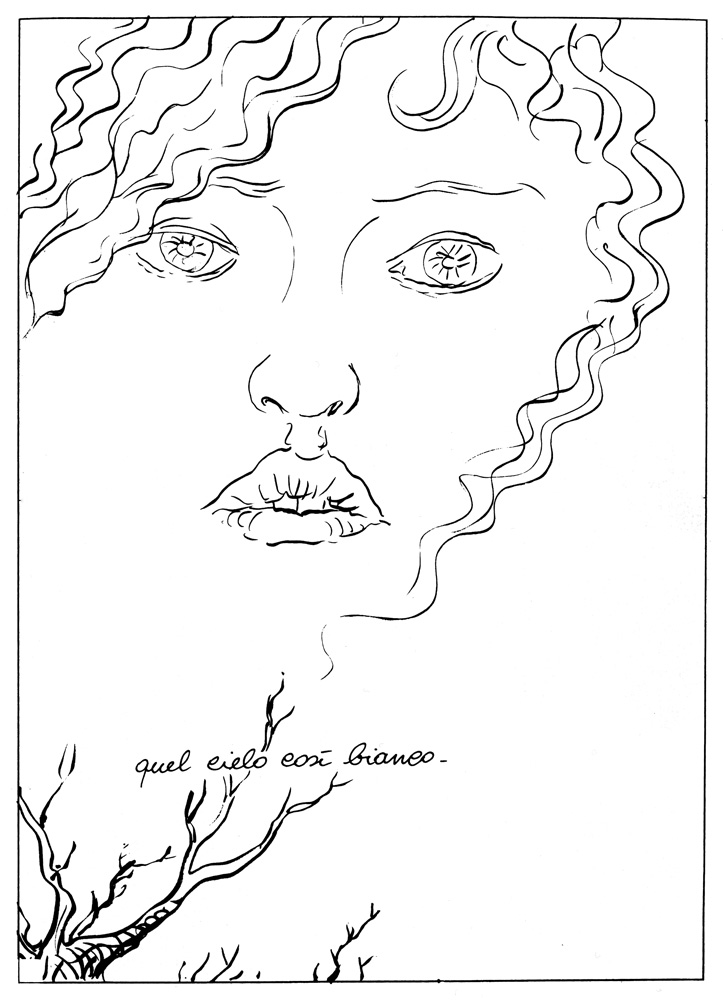
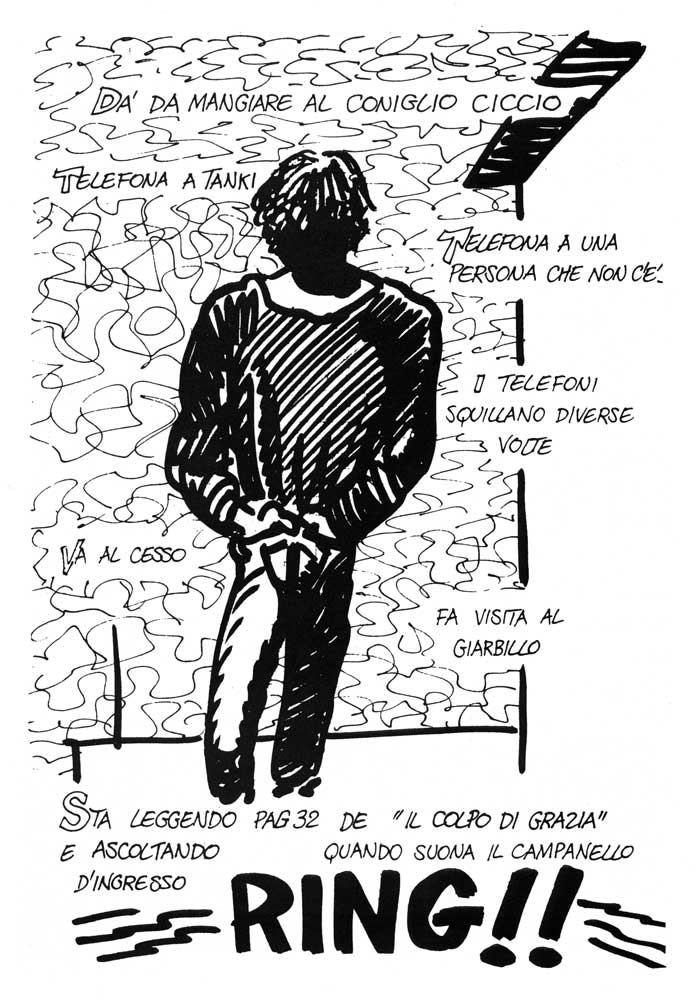
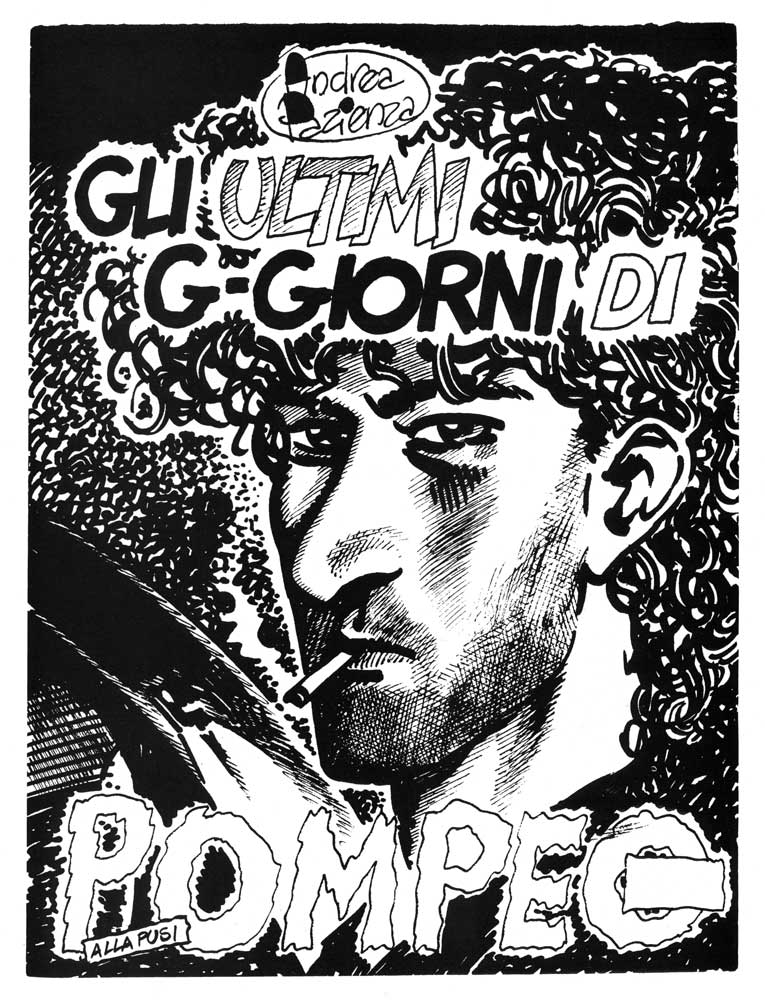
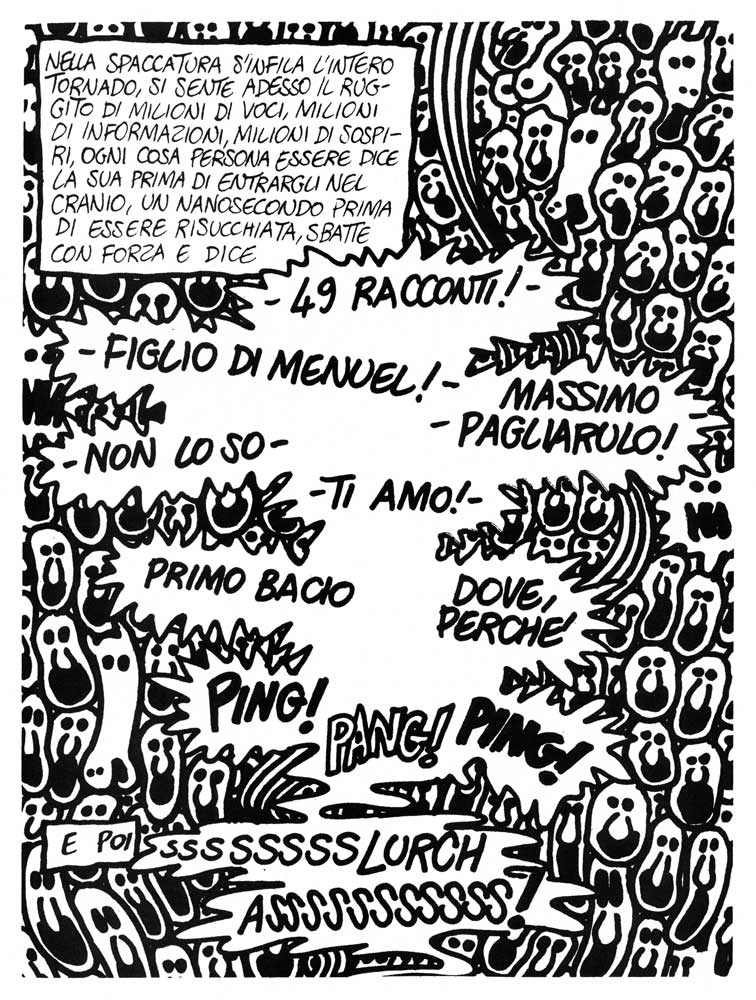
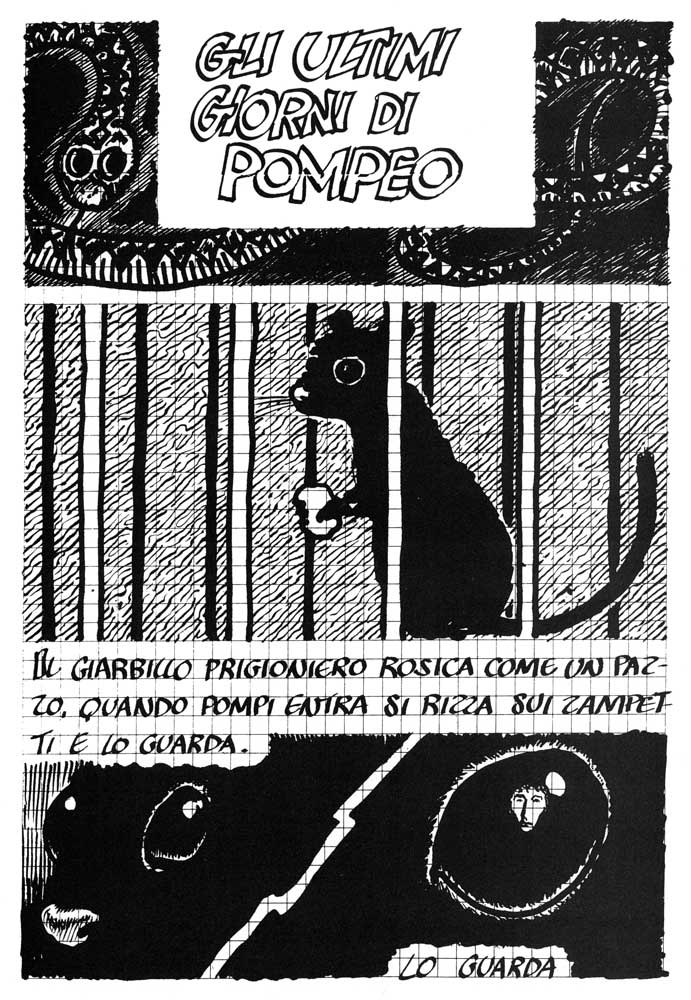
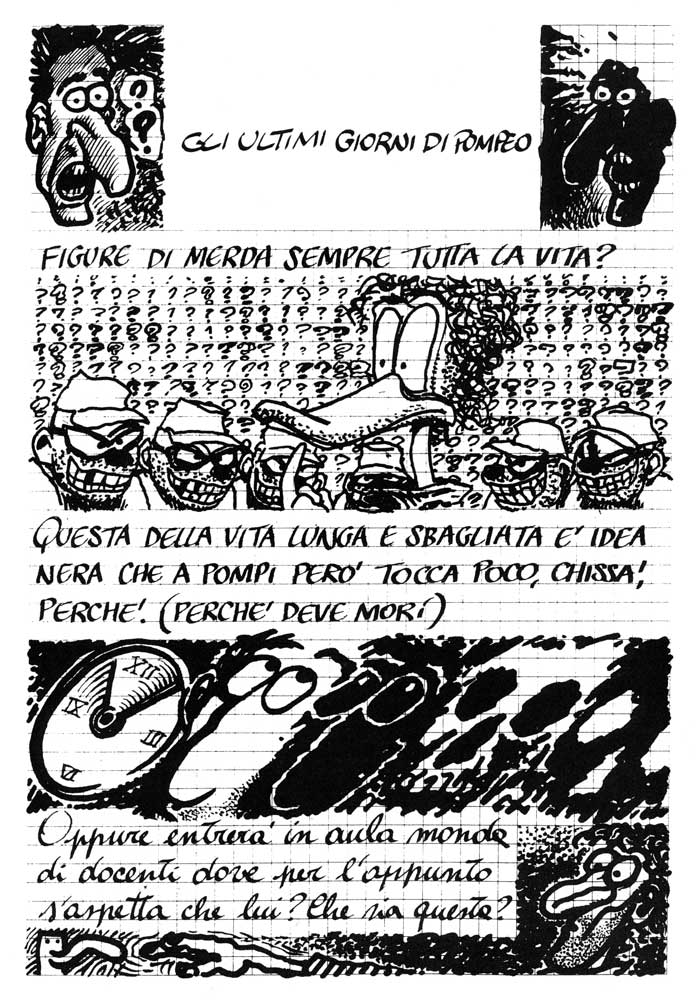
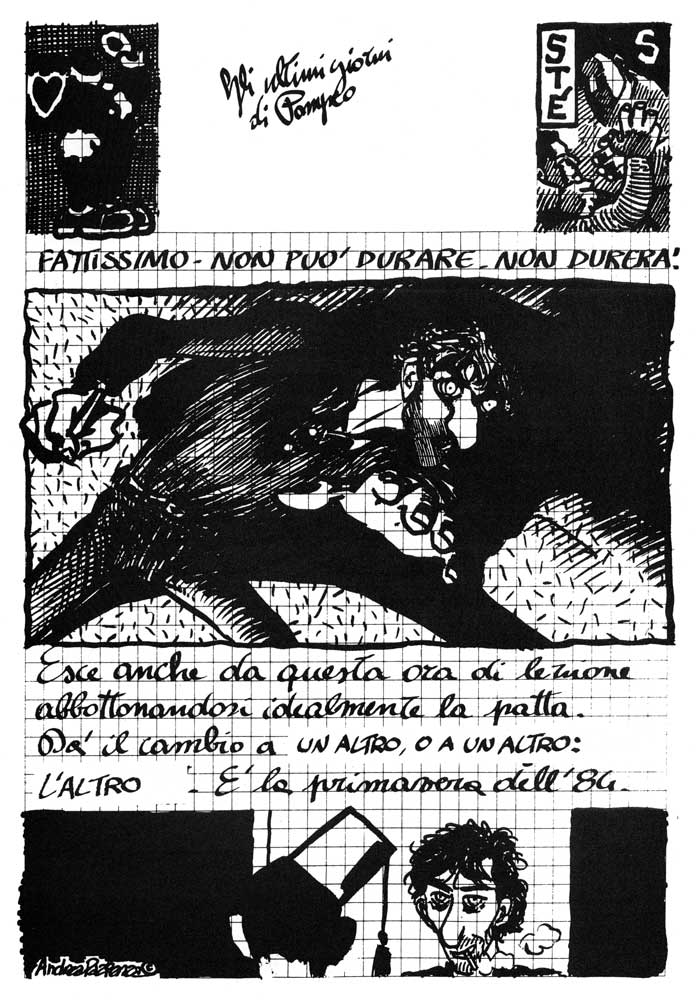
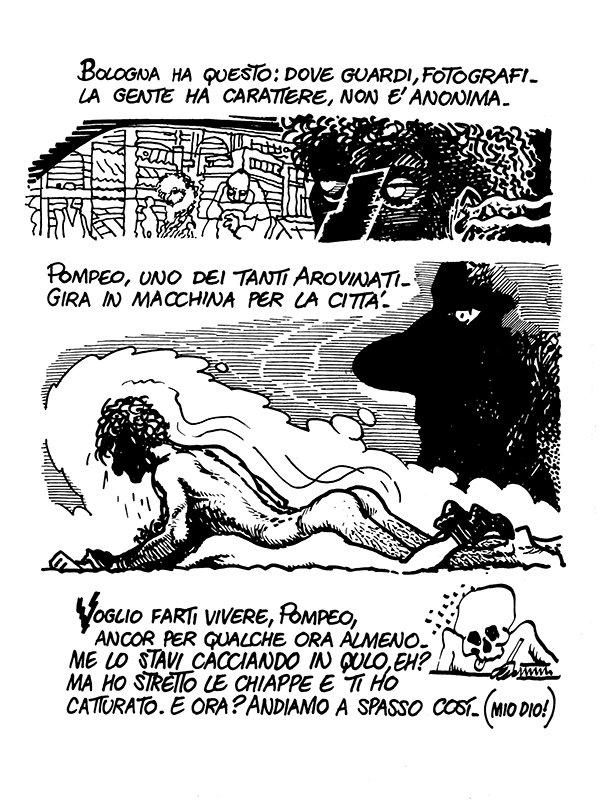
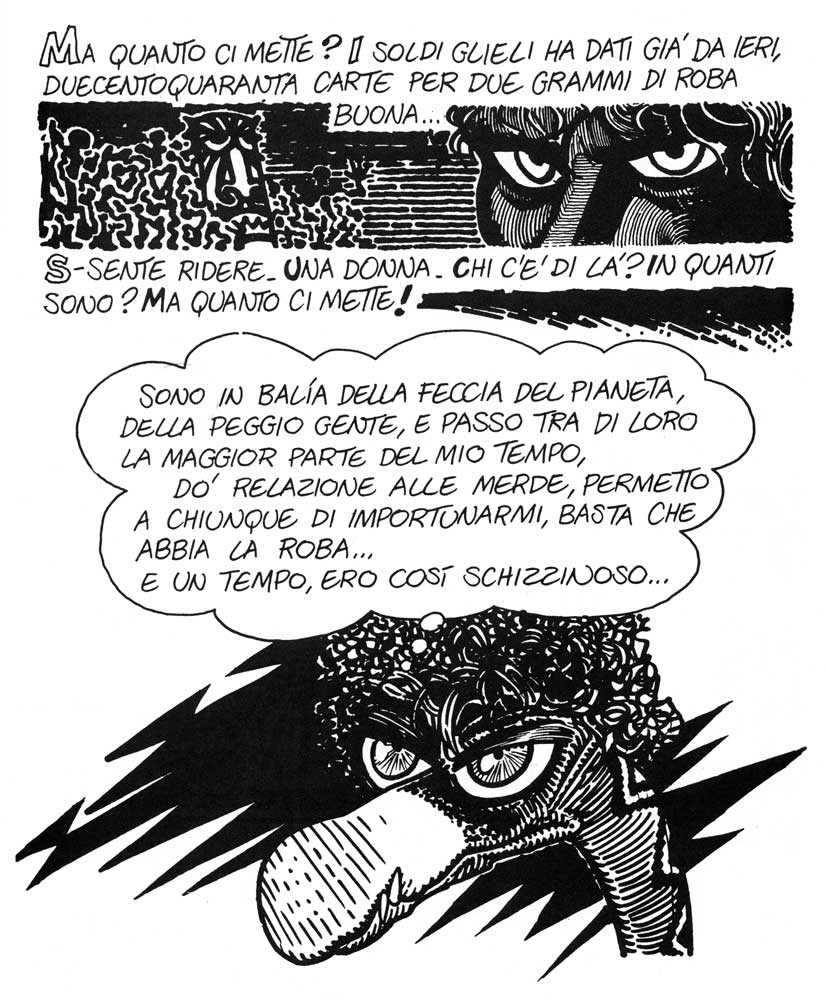
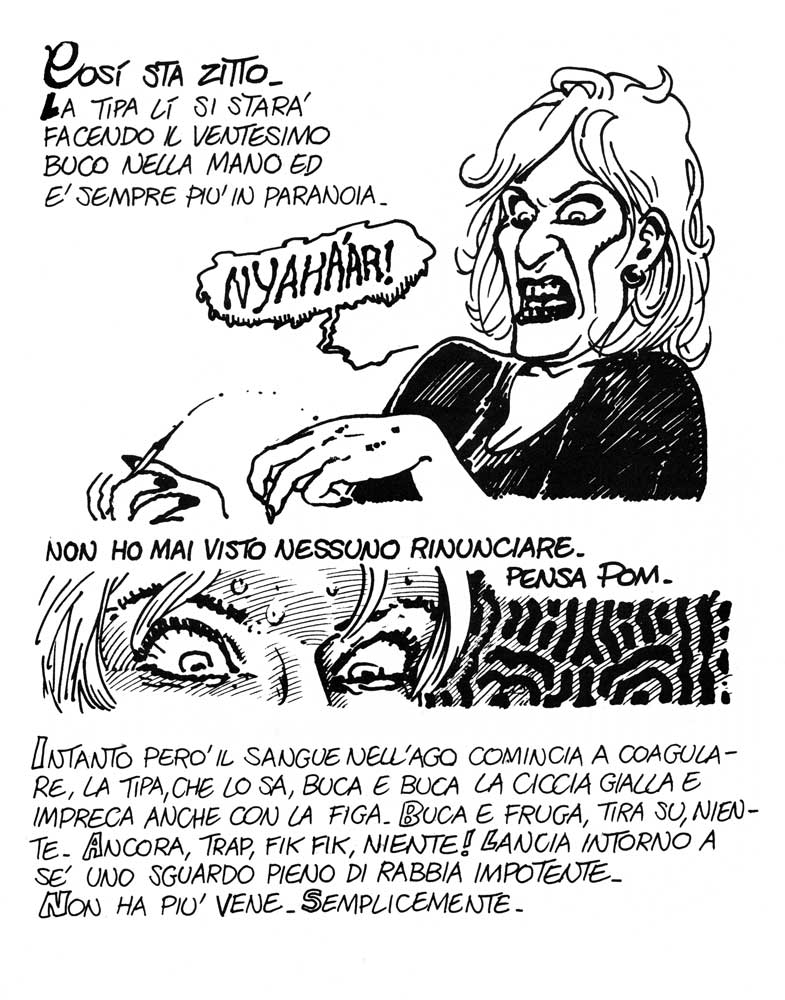
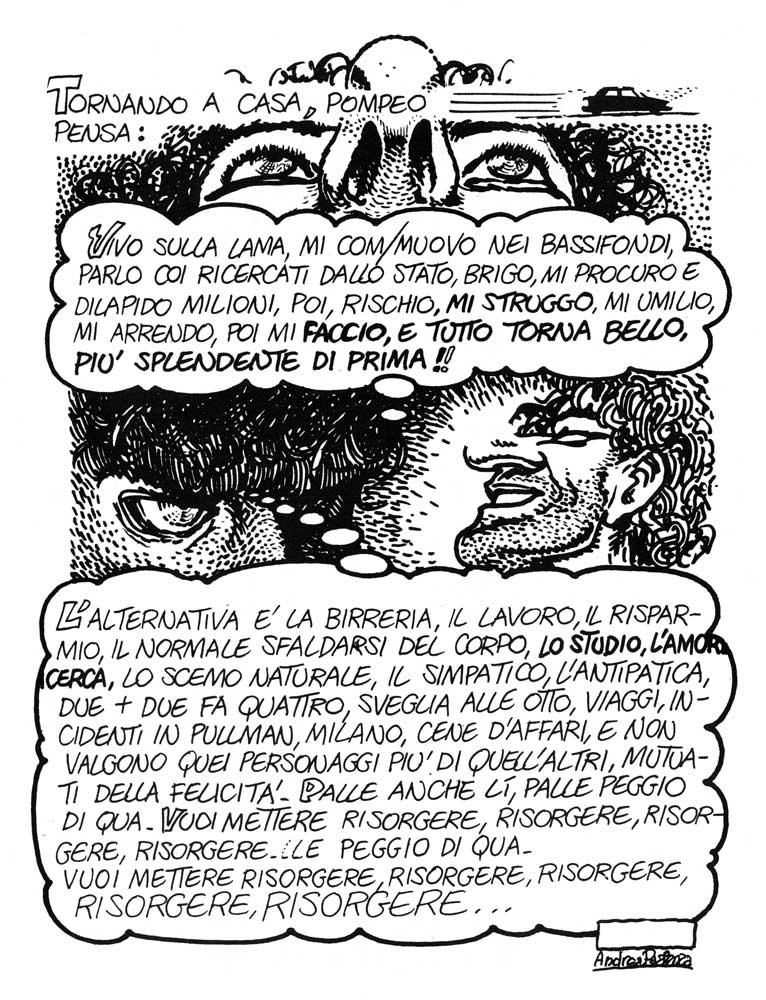
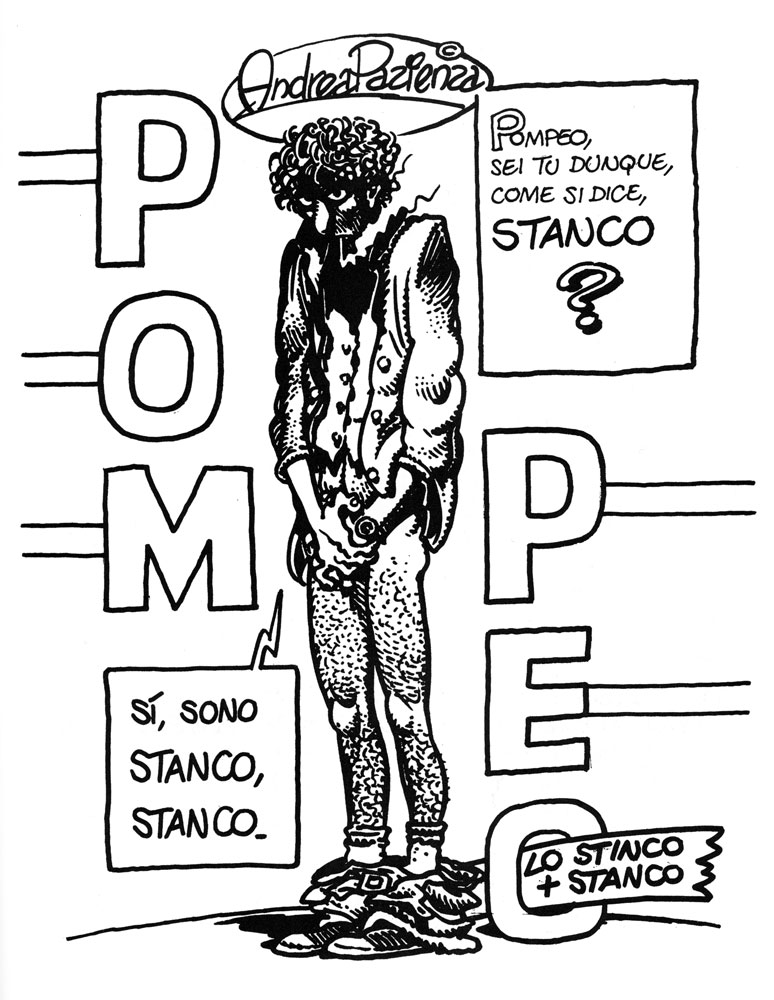
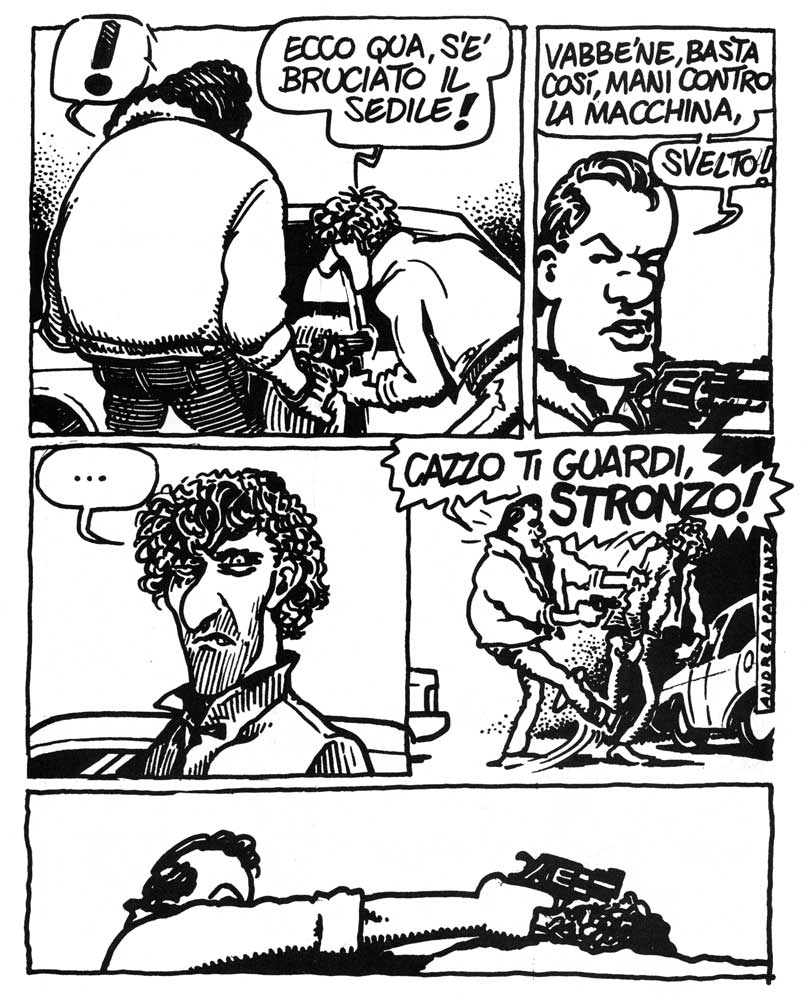
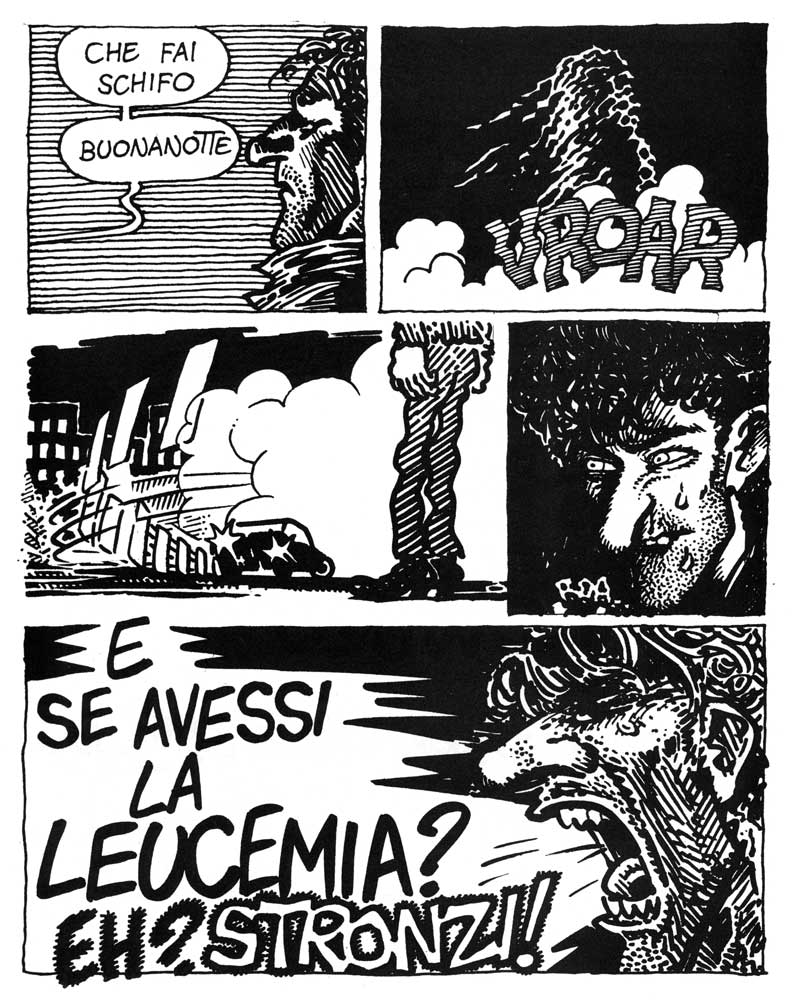
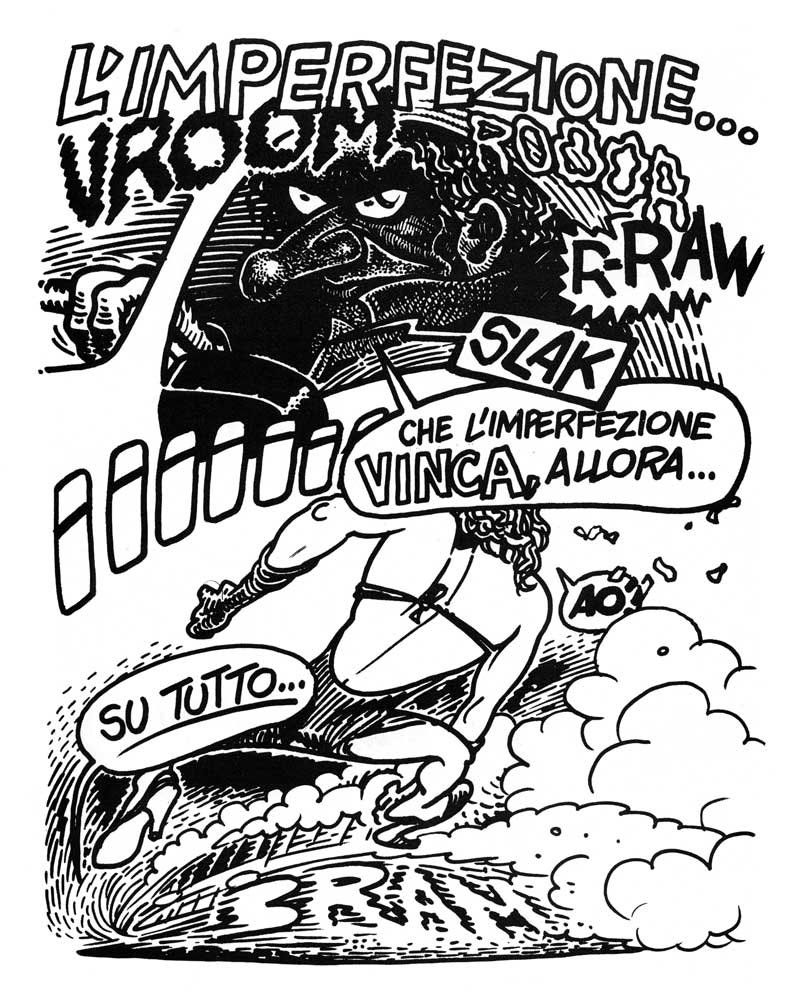
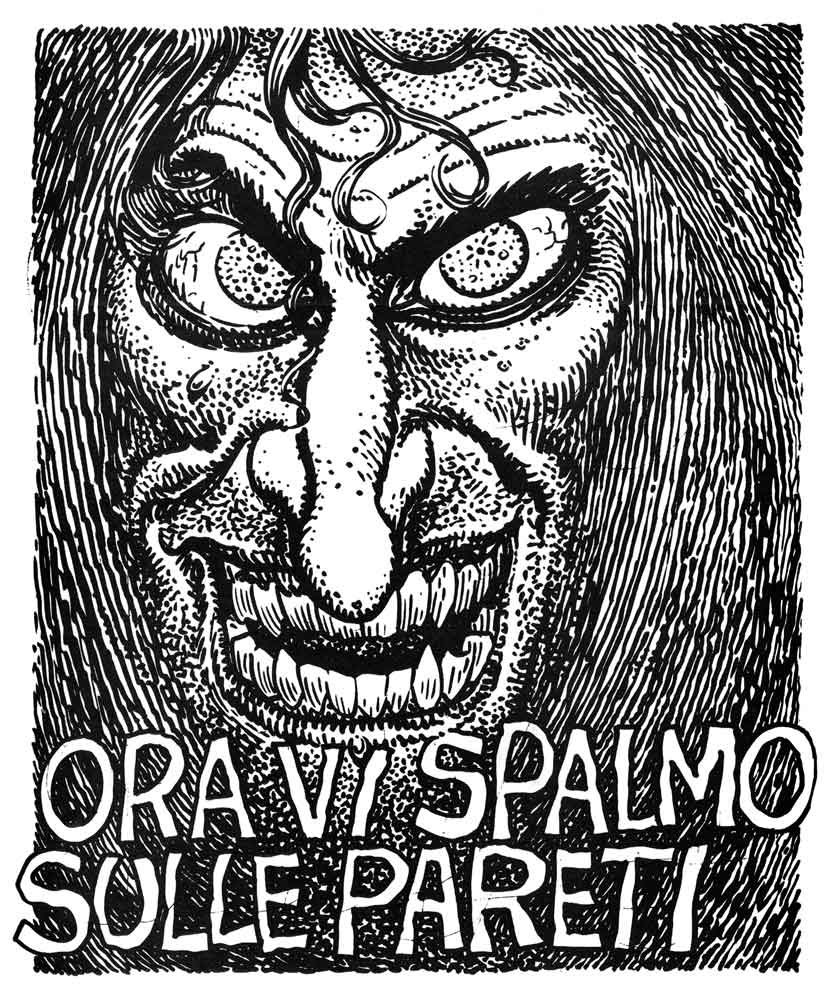
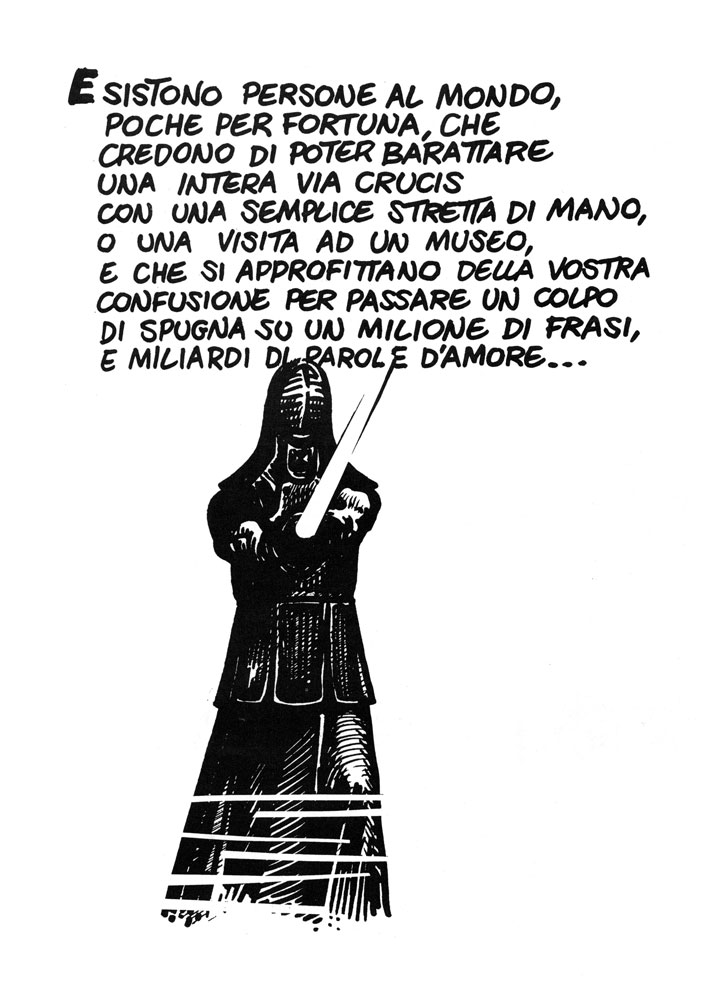
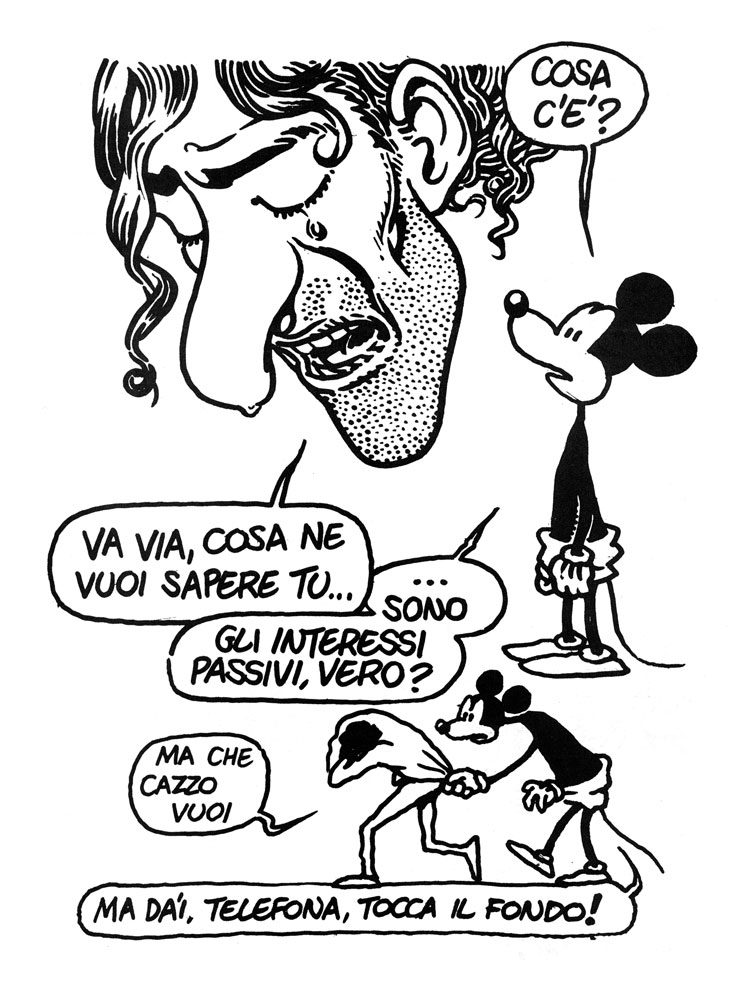
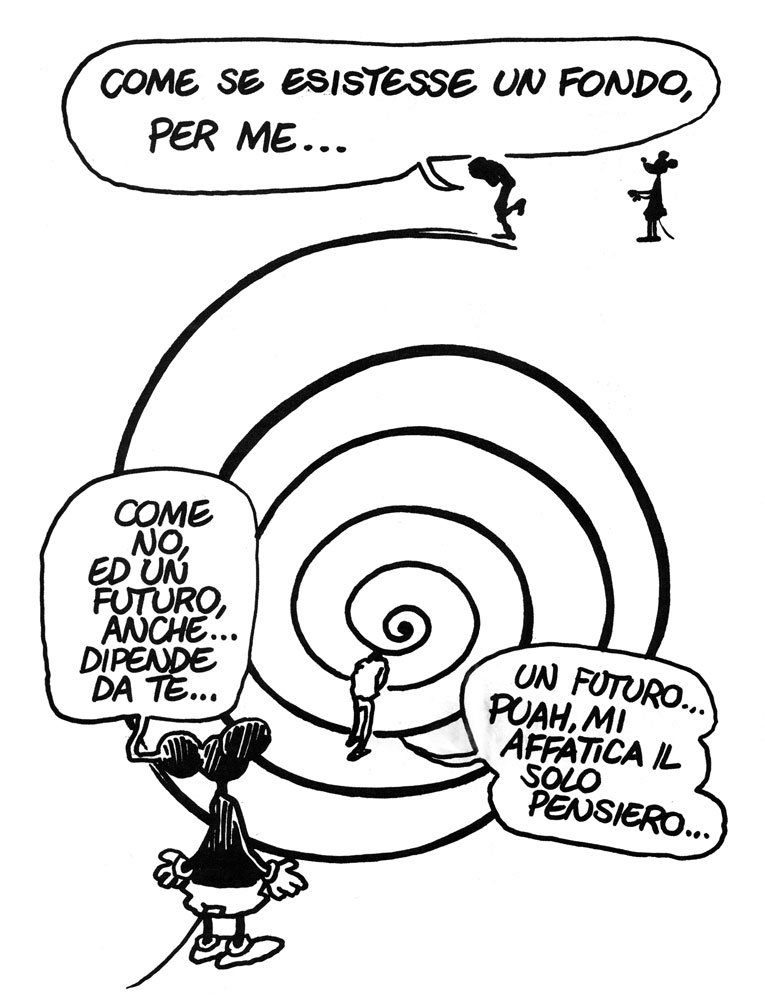
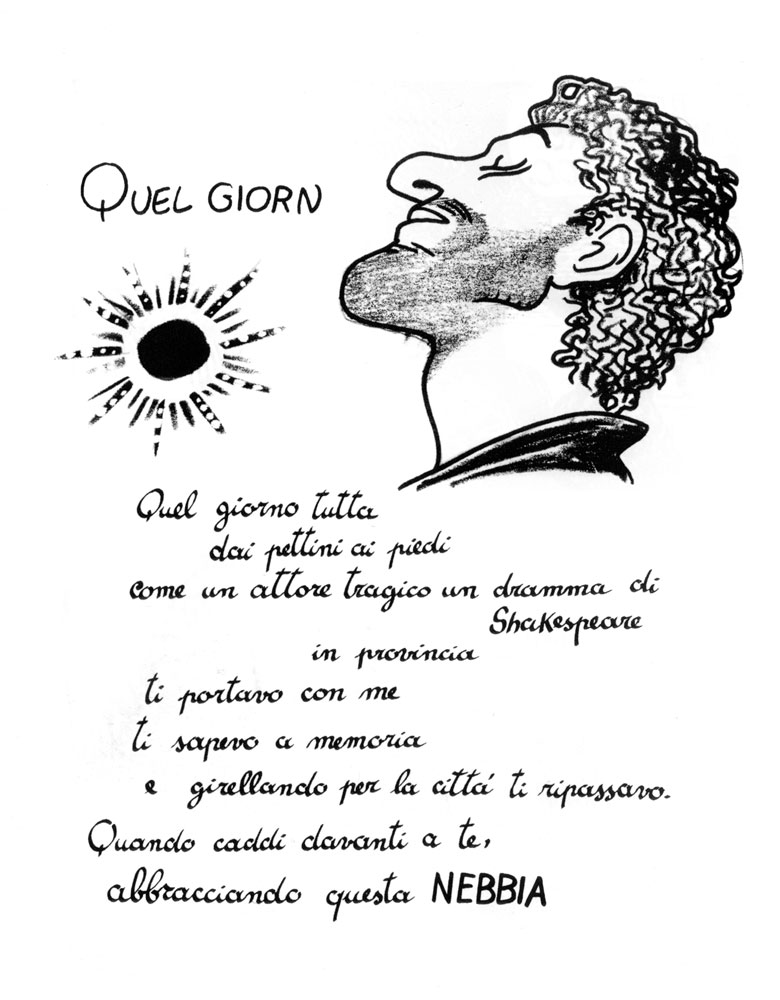
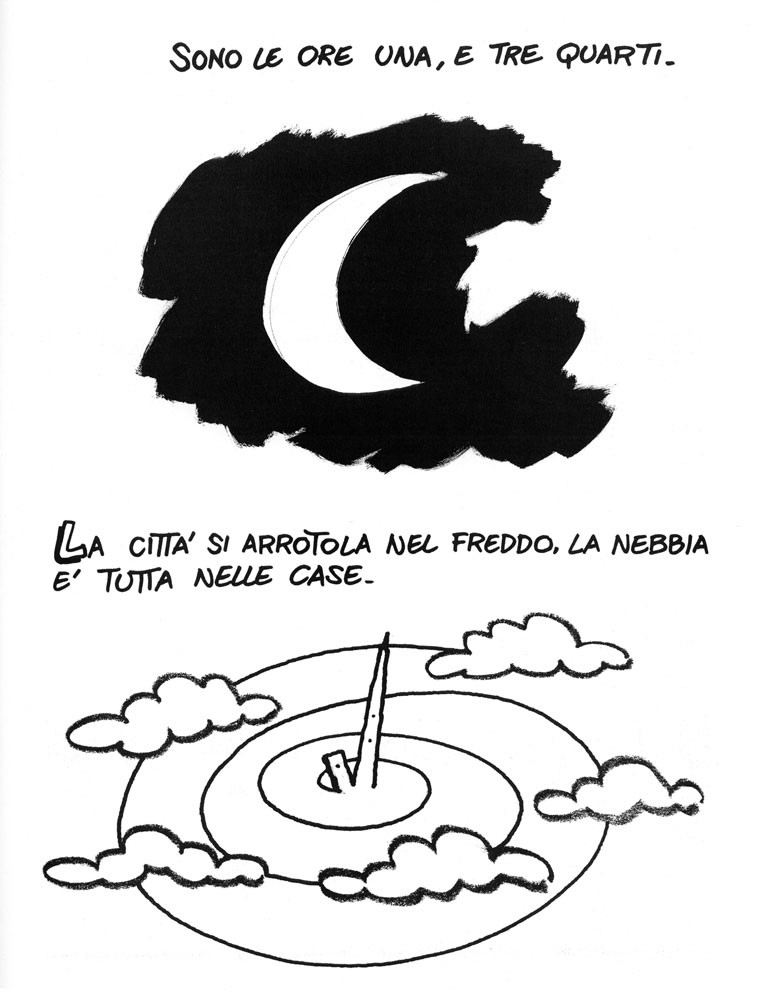
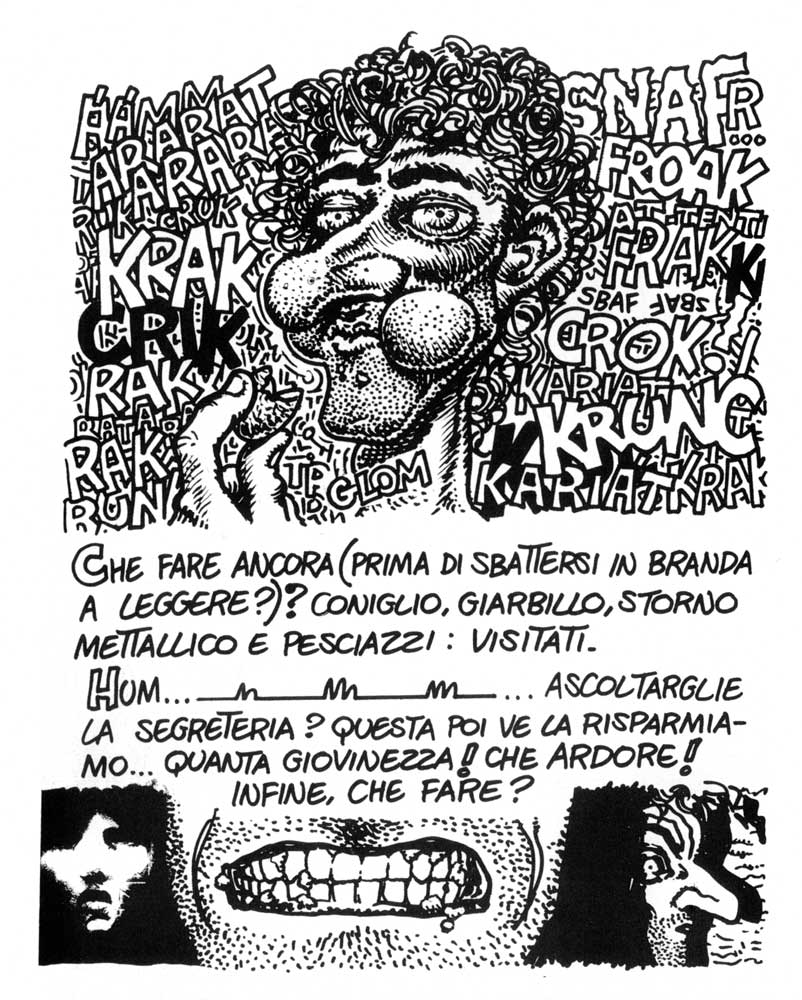
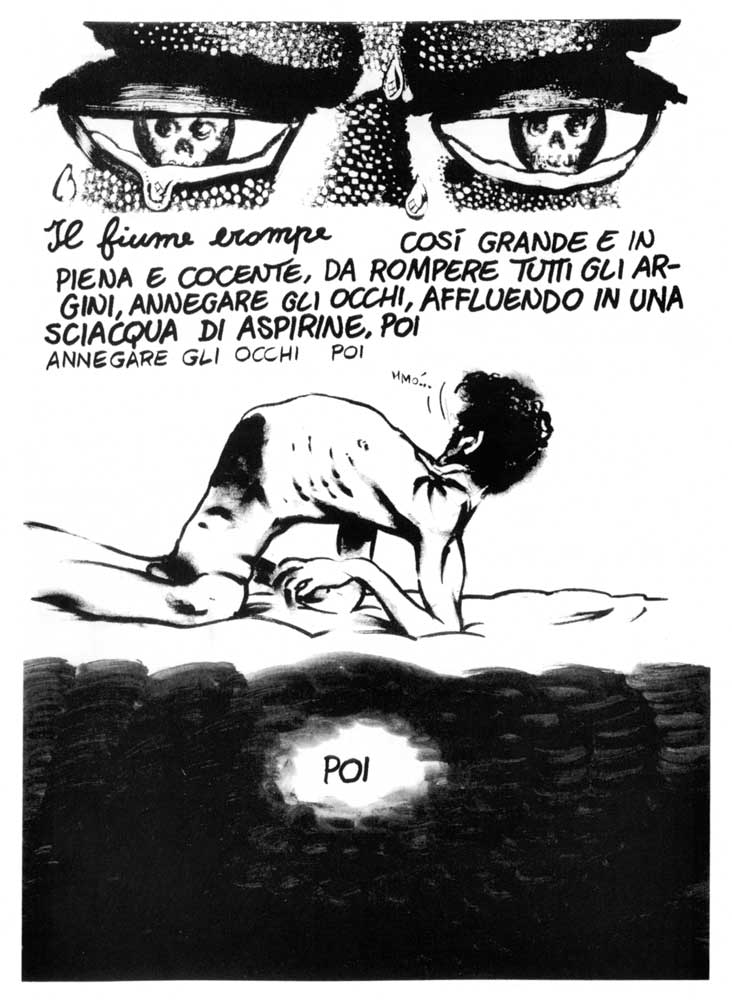
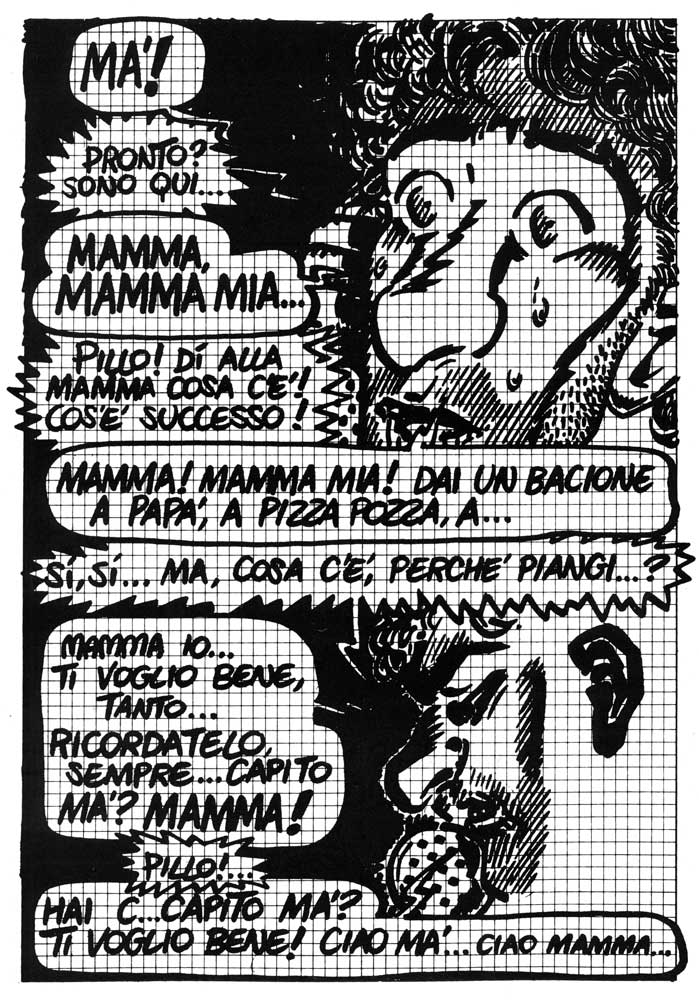

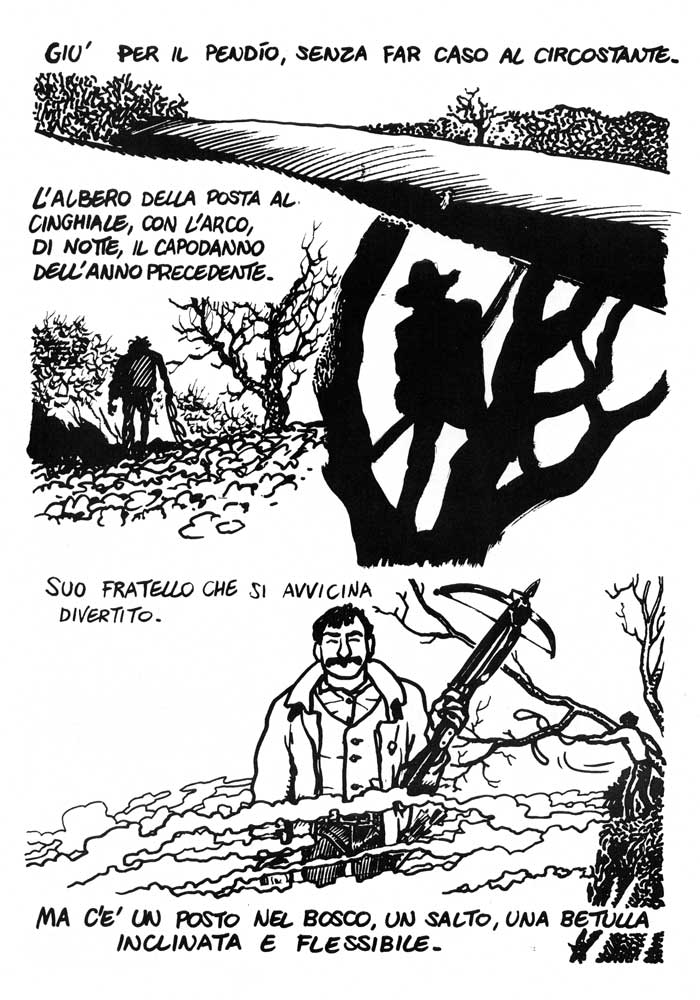
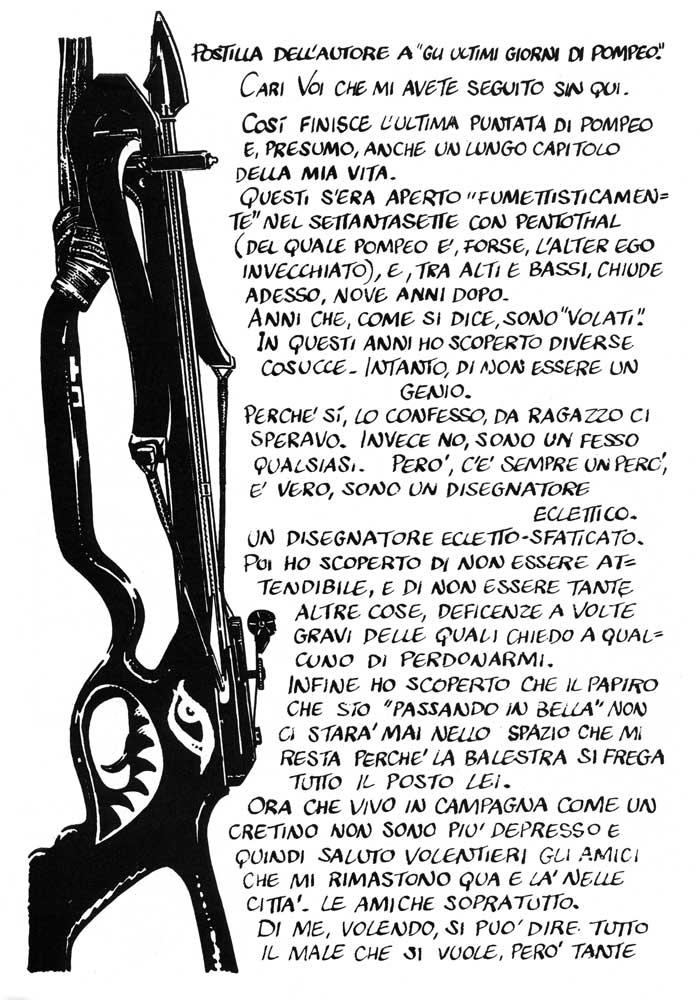
“W ell, no introduction to Gli ultimi giorni di Pompeo could surpass the intensity of its author’s desperate cry. This graphic novel, while a text of exceptional literary value (or perhaps precisely because of that), is utterly traumatizing. With an entomologist’s coolness, Andrea Pazienza here gives up much of his usual graphic virtuosity to narrate a shameless “public diary”, with which he earned his place in the pantheon of comics and literature.”
Oscar Cosulich
Extra
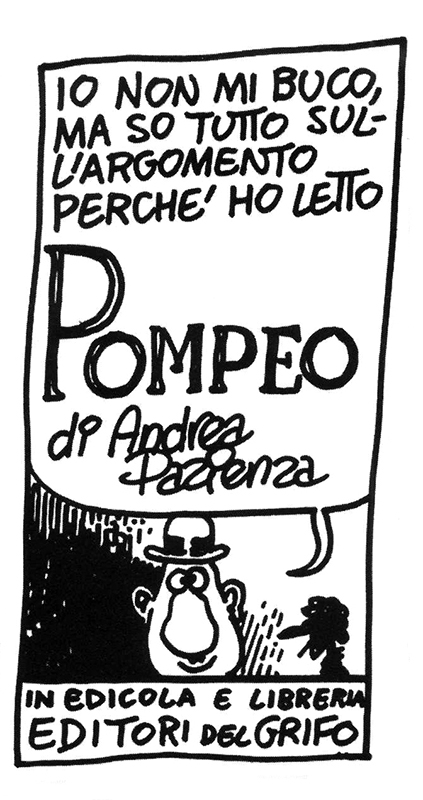
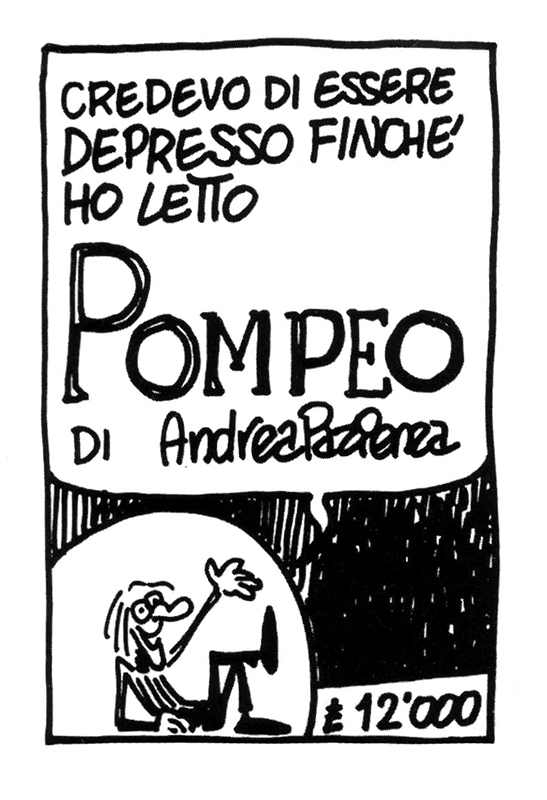
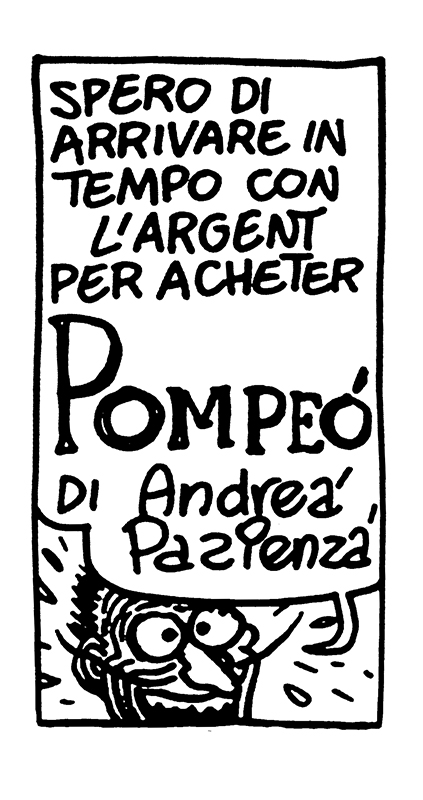
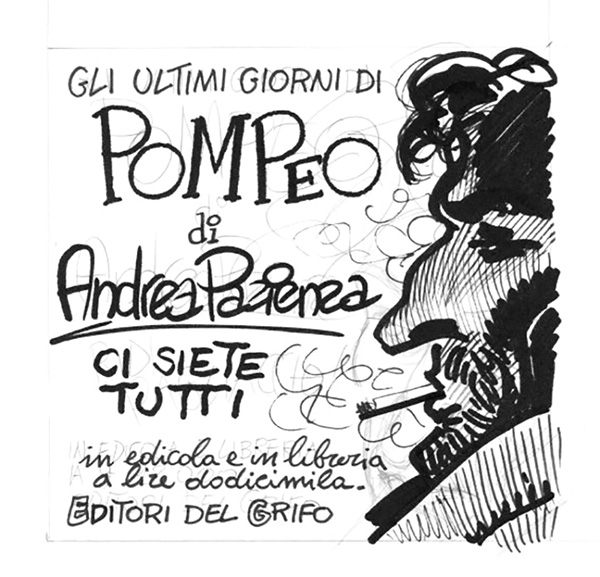
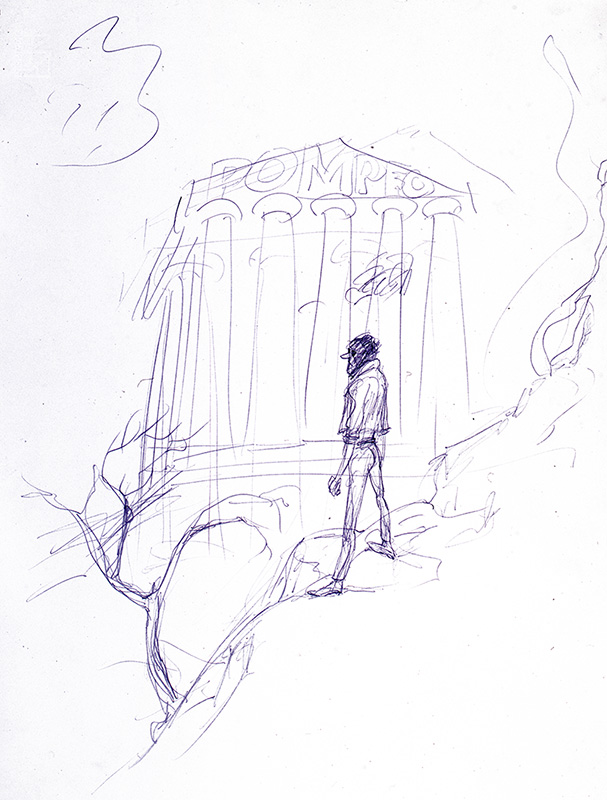
“I t was on a sunny morning in Ascona, Switzerland, that I saw the first ten little sheets of Pompeo; they were not yet finished pages, but a sketch of a story that Andrea Pazienza had begun to draft with the courage and tenacity of someone who knows he is facing one of the most dramatic problems of our time. Pazienza had decided to entrust to a black marker and a few sheets of graph paper the whirlwind of emotions, doubts, turmoil and nightmares crowding his brain. The final result is incredible: it is a delirium told outside the usual patterns, a madness that becomes tangible. In this book Andrea Pazienza told of a hell, which is also the hell of thousands of young people who have no voice and are often represented only by a statistic. Pompeo It is a book that hurts, and it remains utterly mysterious to me why Pazienza made it, why Mauro Paganelli published it and why I wrote these few, probably useless, lines.”
Vincenzo Mollica